

Albania is an underrated European destination known for its turquoise coastline, historic towns, and dramatic mountain landscapes. From the colorful streets of Tirana to the stone houses of Gjirokastër and the beaches of the Albanian Riviera, the country offers a mix of cultural exploration and outdoor adventure. Whether you're planning a short city break or a multi-day road trip, this Albania travel guide covers the best places to visit, how to get around, and practical tips to help you plan your journey. You'll also learn how to stay connected with mobile data for navigation, bookings, and communication throughout your trip.

Why Visit Albania?
Albania combines Mediterranean beaches, historic towns, and rugged mountain scenery in a relatively compact destination. It is a good choice for travelers who want to explore beyond Europe's most familiar tourist routes.
- Diverse landscapes: Enjoy the Ionian coastline, inland lakes, and the Albanian Alps, with options for beach holidays, hiking, and scenic drives.
- Rich history and culture: Explore Ottoman-era architecture in Berat and Gjirokastër, ancient ruins at Butrint, and the lively capital of Tirana.
- Flexible travel styles: Combine city sightseeing, coastal relaxation, and countryside exploration in one trip, whether you have a few days or two weeks.
- A mix of popular and quieter destinations: Visit well-known beach areas such as Ksamil or explore smaller coastal towns and inland villages for a slower pace.
When to visit: May–June and September are good months for comfortable sightseeing and coastal travel, while July and August are better suited to travelers prioritizing beach weather and a lively summer atmosphere. Expect higher demand and more crowds during peak summer.
Best Places to Visit in Albania
Albania offers a mix of historic cities, coastal resorts, and archaeological sites. These five destinations are a good starting point for planning a trip, especially if you want to combine culture with time by the sea.
1. Tirana: Explore Albania's Capital

Tirana is a convenient starting point for most trips to Albania, with a lively café culture, colorful architecture, and museums that explore the country's history.
- Skanderbeg Square: The central plaza, surrounded by major landmarks and museums.
- Bunk'Art 2: A museum exploring Albania's communist-era history inside a former bunker.
- Blloku: A popular neighborhood for restaurants, cafés, and nightlife.
Best for: First-time visitors, urban exploration, and starting a road trip.
2. Berat: Discover Ottoman-Era Architecture

Known as the "City of a Thousand Windows," Berat is recognized for its white Ottoman-era houses climbing the hillside above the Osum River. Its historic center is a UNESCO World Heritage Site.
- Berat Castle: Explore the hilltop fortress and enjoy views over the city.
- Mangalem and Gorica: Walk through historic neighborhoods on opposite sides of the river.
- Onufri National Museum: Discover religious art and icon painting inside the castle complex.
Best for: History, architecture, and a slower-paced overnight stay.
3. Gjirokastër: Experience a Historic Stone City

Gjirokastër is known for its distinctive stone-roofed houses, steep cobbled streets, and imposing hilltop castle. Like Berat, its historic center is UNESCO-listed, making it a worthwhile stop on an inland-to-coast route.
- Gjirokastër Castle: Visit the fortress for panoramic views and historical exhibits.
- Old Bazaar: Browse local crafts and cafés along the cobbled streets.
- Traditional tower houses: Learn how wealthy local families lived in these distinctive Ottoman-era homes.
Best for: Heritage, traditional architecture, and cultural sightseeing.
4. Himarë: Relax on the Albanian Riviera

Himarë is a coastal town along the Ionian Sea, offering a more relaxed base for exploring the Albanian Riviera. Compared with some of the busier summer resorts, it also provides access to smaller beaches and nearby villages.
- Himarë Beach: A convenient option for swimming and seaside dining.
- Livadi Beach: A broad stretch of coastline just north of town.
- Himarë Old Town: Visit the hilltop settlement for traditional architecture and coastal views.
Best for: Beach stays, coastal drives, and travelers who prefer a less hectic pace.
5. Sarandë and Ksamil: Enjoy the Southern Coast
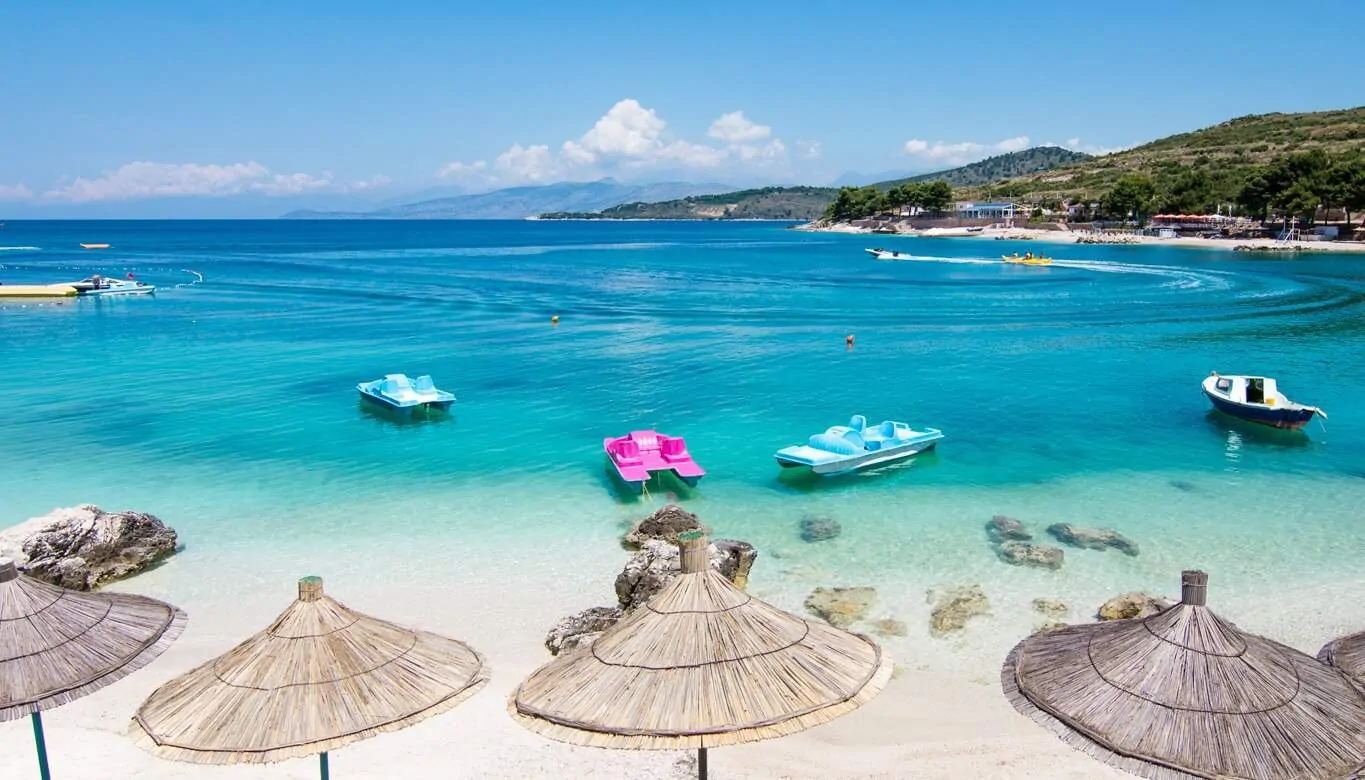
Sarandë and Ksamil are among the best-known stops on Albania's southern coast. Sarandë offers a larger town with restaurants, accommodation, and ferry connections, while nearby Ksamil is famous for clear water and small offshore islands.
- Sarandë Promenade: Enjoy waterfront dining and evening walks.
- Ksamil Beaches: Swim, relax, or take a boat trip when conditions permit.
- Butrint National Park: Explore an archaeological site with Greek, Roman, Byzantine, and Venetian remains, set within a natural landscape.
Best for: Beach holidays, summer trips, and combining coastal relaxation with ancient history.
Which Destinations Should You Combine?
| If you want… | Suggested route |
|---|---|
| A short cultural trip | Tirana + Berat |
| History and traditional towns | Berat + Gjirokastër |
| A beach-focused holiday | Himarë + Sarandë + Ksamil |
| A varied first trip | Tirana + Berat + Gjirokastër + the Riviera |
Travel tip: Albania's coastal and inland destinations can take longer to connect than the map suggests, particularly on winding mountain roads. Choose a manageable route rather than trying to visit every destination in one trip.
How to Get Around Albania
Albania's main cities and coastal destinations can be reached by car or public transport, but travel times and convenience vary by route. Renting a car offers more flexibility for exploring the Riviera and rural areas, while buses and minibuses are useful for budget travel between major towns.

1. Road Trips and Renting a Car
Driving is a convenient option if you want to combine historic towns, mountain scenery, and coastal destinations in one trip. It also makes it easier to reach beaches and villages that have limited public transport connections.
- Plan a realistic route: Popular routes include Tirana–Berat–Gjirokastër and the coastal journey from Vlorë to Himarë and Sarandë.
- Allow extra driving time: Mountain roads can be winding, and road conditions vary. Avoid planning too many stops in one day.
- Check rental requirements: Review your driving licence requirements, insurance coverage, fuel policy, and parking arrangements before booking.
2. Buses and Minibuses
Intercity buses and minibuses, locally known as furgons, connect many Albanian towns and cities. They can be an economical alternative to renting a car, particularly if your itinerary focuses on major destinations.
- Check schedules in advance: Departure times and service frequency vary by route, and some services may be less frequent outside peak travel periods.
- Confirm departure points: Services may leave from different terminals or designated pickup locations rather than one central bus station.
- Allow flexibility: Delays and schedule changes can affect connections, so leave extra time when transferring between services.
Public transport may be less convenient for visiting remote beaches, mountain villages, or several attractions in one day. For these routes, consider a guided tour, taxi, or private transfer.
3. Transport Tips for Getting Around
A few practical steps can make traveling around Albania easier:
- Carry some cash: Cash can be useful for local transport and smaller operators that may not accept cards.
- Confirm fares before departure: For taxis and private transfers, agree on the price in advance when it is not clearly displayed.
- Save important addresses: Keep your accommodation details, bus departure points, and key destinations accessible offline.
- Prepare for navigation: Download offline maps before heading into rural or mountainous areas where mobile coverage may be limited.
- Check cross-border arrangements: If your route continues into Montenegro or Greece, confirm vehicle rental permissions, insurance, and mobile plan coverage before crossing the border.
Travel tip: Choose your transport based on the route rather than assuming one method works best everywhere. A rental car is useful for flexible coastal and rural exploration, while buses can be more practical for straightforward journeys between major towns.
How Many Days Do You Need in Albania?
The ideal length of an Albania trip depends on whether you want to focus on historic towns, explore the Albanian Riviera, or combine both. Allow extra time for travel between destinations, as winding roads and variable transport schedules can make journeys longer than expected.
| Trip length | Recommended itinerary | Best for |
|---|---|---|
| 3–4 days | Tirana + Berat, or a focused stay on the southern coast | Short breaks |
| 5–7 days | Tirana + Berat + Gjirokastër + selected Riviera stops | First-time visitors |
| 10–14 days | Tirana + northern Albania + historic towns + the Riviera | A more comprehensive trip |
3–4 Days: Focus on One Region
With only a few days, avoid trying to cover the entire country.
- Culture-focused trip: Spend time in Tirana and take a side trip to Berat.
- Beach-focused trip: Base yourself in Sarandë or Himarë and explore nearby beaches.
- Travel tip: If you choose the southern coast, account for the travel time from Tirana before committing to a short itinerary.
5–7 Days: Combine History and the Coast
A week gives you time to experience Albania's historic towns and coastline without changing accommodation every night. Consider visiting Tirana, Berat, Gjirokastër, and one or two coastal destinations such as Himarë or Sarandë. Prioritize the places that interest you most rather than squeezing every stop into the schedule.
Best approach: Use inland towns for cultural sightseeing and spend several nights in one coastal base to reduce unnecessary transfers.
10–14 Days: Explore Beyond the Main Highlights
A longer trip allows you to explore more of Albania's regional diversity.
- Northern Albania: Add Shkodër and, if hiking is a priority, the Albanian Alps.
- Historic towns: Spend more time in Berat and Gjirokastër rather than treating them as quick stops.
- Southern coastline: Explore the Riviera at a slower pace, with time for beaches and nearby archaeological sites.
- Flexible travel days: Leave room for changing weather, road conditions, and transport delays.
Plan Your Route Around Travel Time
Albania may look compact on a map, but crossing between northern mountain areas and the southern Riviera can take a substantial part of a day. Before finalizing your itinerary, check actual driving times or public transport schedules, and avoid booking activities too close to arrival times. For longer routes, reliable mobile data can help with navigation, accommodation updates, and transport information. Download offline maps as a backup before traveling through remote areas.
Practical Travel Tips for Albania
A little preparation can make traveling around Albania easier, especially during the busy summer season or when visiting smaller towns and remote areas.
1. Choose the Right Time to Visit
- May–June: Pleasant temperatures for sightseeing, hiking, and exploring coastal towns before peak summer crowds.
- July–August: Best for beach-focused trips, but expect higher accommodation prices, busier roads, and crowded resorts.
- September–October: A good balance of milder weather and fewer summer visitors, although some seasonal coastal businesses may reduce their hours.
For hiking in the Albanian Alps, check local trail conditions and seasonal transport availability before setting out.
2. Prepare Cash and Payment Options
Albania uses the Albanian lek (ALL). Cards are accepted at many hotels, larger restaurants, and established businesses, but smaller cafés, local transport operators, and rural establishments may prefer cash.
- Carry some lek for everyday expenses and local transport.
- Check whether your bank charges foreign transaction or ATM withdrawal fees.
- When paying by card, review the displayed currency and conversion rate before confirming the transaction.
3. Book Accommodation and Transport Ahead
Summer demand is particularly high along the Albanian Riviera. Reserve accommodation early if you're visiting popular areas such as Ksamil or Sarandë in July and August. For public transport, confirm departure times and pickup locations shortly before traveling. If renting a car, review the rental conditions, insurance, and parking arrangements in advance.
4. Check Entry Requirements
Entry rules depend on your nationality, passport, and travel circumstances. Check Albania's official entry requirements before departure, and verify whether you need a visa or additional travel documents. If your itinerary includes neighboring countries, check their entry rules separately. Do not assume that permission to enter Albania automatically covers the rest of the region.
5. Prepare Your Phone for Travel
Your phone can help with navigation, accommodation bookings, translation, and transport arrangements throughout your trip.
- Download offline maps and save important addresses before departure.
- Check whether your phone is unlocked and supports eSIM technology if you plan to use an eSIM.
- Review roaming charges from your home carrier before relying on your existing mobile plan.
- Keep digital copies of bookings and essential travel documents accessible offline.
For travel beyond major cities, prepare for areas with limited mobile coverage. Offline maps and saved information can be useful backups even when you have an active data plan.
Staying Connected in Albania with an eSIM
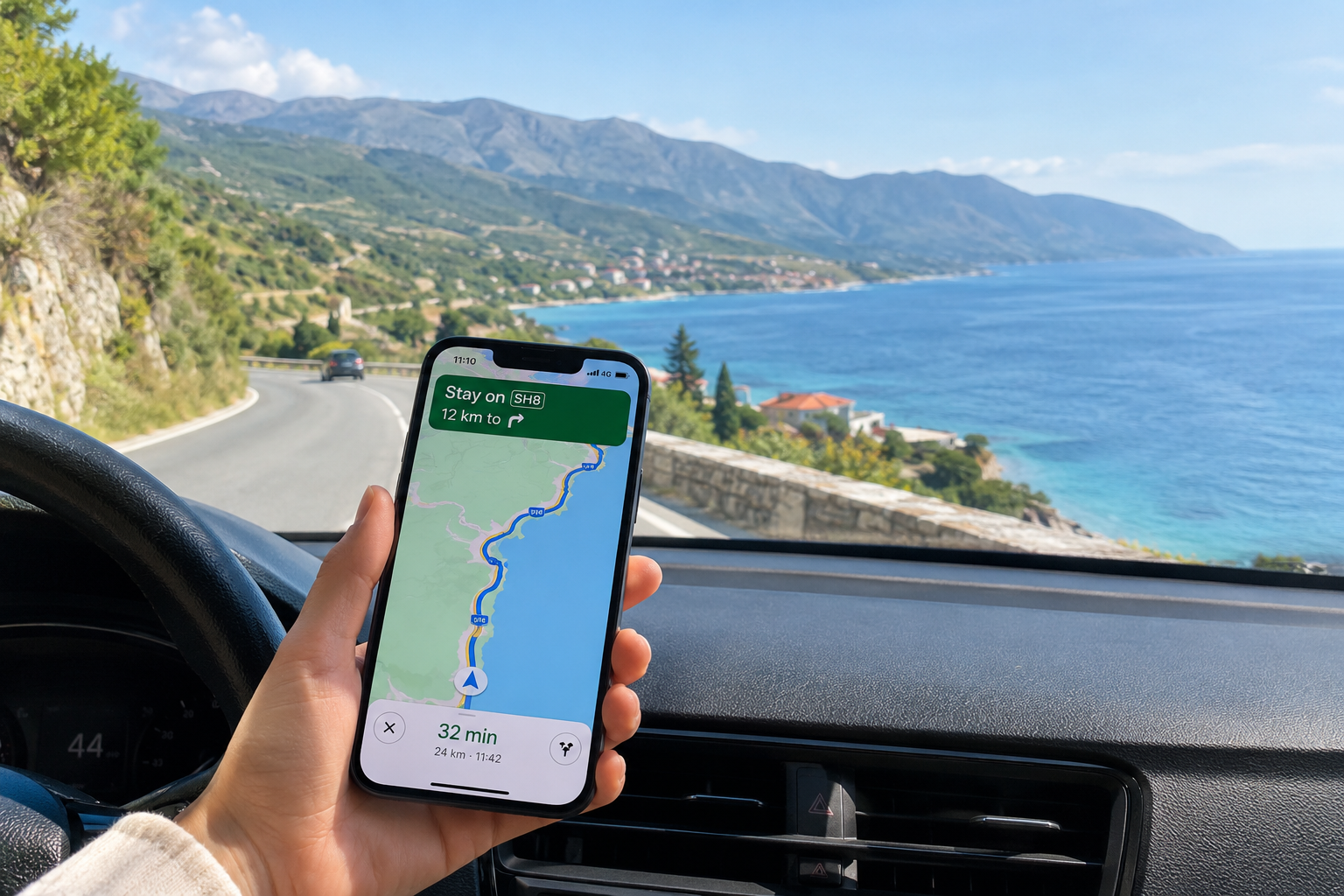
Mobile data makes it easier to navigate unfamiliar roads, check bus schedules, contact accommodation providers, and find restaurants while exploring Albania. An eSIM lets you connect to a supported local mobile network without inserting a physical SIM card.
Why Use an eSIM in Albania?
- Navigate between destinations: Use online maps and route updates when driving between Tirana, Berat, and the Albanian Riviera.
- Manage bookings on the go: Access accommodation confirmations, transport details, and reservation information while traveling.
- Stay connected across your trip: Use mobile data for messaging, translation, and travel research without relying entirely on public Wi-Fi.
- Prepare before arrival: Install your eSIM in advance if the provider supports it, then follow its activation instructions to connect when your plan becomes active.
How to Choose the Right Albania eSIM
Before purchasing an eSIM, check three things:
- Coverage: Confirm that Albania is explicitly included in the plan and review the supported network operators.
- Data allowance and validity: Choose a package based on your trip length and expected usage, including navigation, social media, and video streaming.
- Device compatibility: Make sure your phone supports eSIM and is not carrier-locked. Check whether the plan requires activation at installation or when it first connects to a supported network.
For road trips into the Albanian Alps or other remote areas, remember that coverage depends on local network availability. Download offline maps before leaving areas with reliable reception.
Stay Connected with ByteSIM
If you're planning to explore Albania, check ByteSIM's available Albania eSIM plans to find an option that matches your itinerary and data needs. For trips that continue into neighboring countries, verify that every destination is covered before purchasing a regional plan. With the right eSIM and a few offline preparations, you can spend less time managing connectivity and more time exploring Albania.

Exploring Albania?
Stay connected with ByteSIM Albania eSIM — mobile data for navigation, bookings, and travel across the Riviera.
Explore ByteSIM eSIM →Frequently Asked Questions About Traveling in Albania
Is Albania a Good Destination for First-Time Visitors?
Yes. Albania offers a mix of historic towns, beaches, mountain scenery, and relatively affordable travel options. For a first visit, combining Tirana, Berat, and one or two destinations along the Albanian Riviera is a practical way to experience the country without covering too much ground.
Is It Better to Rent a Car or Use Public Transport in Albania?
Renting a car offers greater flexibility for exploring coastal villages, remote beaches, and mountain areas. Buses and minibuses are generally more economical for traveling between major towns, but schedules and routes may be less convenient for reaching smaller destinations.
How Many Days Should You Spend in Albania?
Plan for 5–7 days to visit several historic towns and enjoy part of the Albanian Riviera. A 3–4-day trip works better for a focused city, culture, or beach break, while 10–14 days allows more time for northern Albania, hiking, and a longer coastal road trip.
Is Mobile Coverage Reliable in Albania?
Mobile coverage is generally available in cities and many popular tourist areas, but signal strength can vary in remote mountain regions and rural areas. Download offline maps and save important addresses before traveling through less populated areas.
Can You Use an eSIM in Albania?
Yes, if your phone supports eSIM and is carrier-unlocked. Before purchasing, check that Albania is included in the plan's coverage, review its data allowance and validity period, and follow the provider's activation instructions. An eSIM can help you access mobile data for navigation, bookings, and communication without replacing your physical SIM.
© Albania Travel Guide — Plan your trip to the Albanian Riviera and beyond.


