
eSIM vs Pocket WiFi for Japan Travel: Which is Better for the 2026 Asian Games
Jul 23,2026 | Milo
Landing at Narita or Haneda Airport is an incredible feeling—right up until you realize you can't load Google Maps to figure out the train system. You need the internet, and you need it fast.
If you’re heading to Japan this year, whether to catch the energy of the 2026 Asian Games in Nagoya or just to hunt for the best autumn foliage in Kyoto, you’ll inevitably hit the classic traveler's roadblock. How are you getting online? Should you rent a traditional Pocket WiFi, or just download a travel eSIM?
Quick Answer: eSIM Is Better for Most Japan Travelers
| Feature | Travel eSIM | Pocket WiFi |
|---|---|---|
| Setup & Return | Scan a QR code. Nothing to return. | Wait in airport lines. Must return before flying home. |
| Extra Gear to Carry | Zero. It's completely digital. | The router itself, a charging cable, and a heavy power bank. |
| Hidden Costs | None. You just pay for the data upfront. | Insurance add-ons, security deposits, and late return fees. |
| Group Freedom | Total freedom. Everyone can split up. | Zero. Walk 10 meters away from the router and you're offline. |
| Device Sharing | Good for tethering 1-2 devices via hotspot. | Great for connecting multiple laptops and kids' tablets all day. |
| Risk of Loss | Impossible (unless you lose your phone). | High. Losing the plastic box means paying a hefty penalty. |
| Best For | Solo travelers, couples, active explorers, and groups who want the freedom to split up. | Large families with multiple iPads, heavy laptop users, or travelers with locked/older phones. |
Japan eSIM vs Pocket WiFi: What Are They?
Before we pit them against each other, let’s clear up the hardware situation.
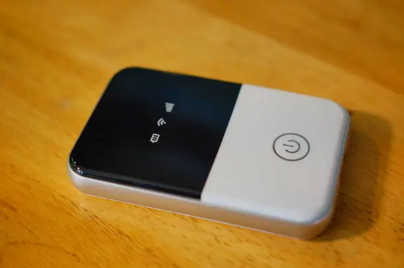
A Pocket WiFi (sometimes called a MiFi or mobile router) is a physical gadget. Think of it as a small, battery-powered box that catches the local Japanese 4G or 5G cell signal and broadcasts a private WiFi network for you and your friends. You rent it online, stand in line at the airport counter to pick it up, carry it everywhere, charge it every single night, and—this is the annoying part—you have to remember to return it before your flight home.
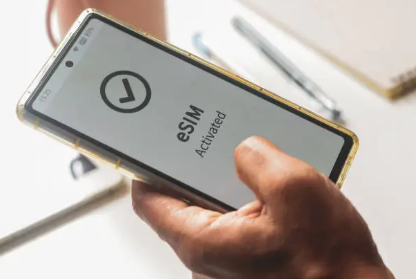
An eSIM, on the other hand, is basically invisible. It’s a digital SIM card already built into the motherboard of your smartphone (almost all iPhones and modern Androids have them now). Instead of popping out a plastic tray and swapping tiny chips, you just buy a data plan online, scan a QR code from a provider, and your phone instantly connects to local Japanese networks like Softbank or KDDI. No extra hardware. No shipping. No returns.
Japan eSIM vs Pocket WiFi: Key Differences
Convenience
Let’s talk about your very first hour in Japan. After a long flight, the last thing anyone wants is a scavenger hunt.
With a Pocket WiFi, your trip starts at a rental counter in Narita or Kansai airport. You take a ticket, stand in line, sign paperwork, and hand over a credit card for a security deposit. And the hassle doesn't end there—you have to remember to drop the device back off into a specific return box while you're rushing to catch your flight home.
An eSIM? It’s already inside your phone. You bought it from your couch a week before your trip. You turn off airplane mode on the tarmac, wait a few seconds, and bam. You're online. You walk right past the WiFi rental lines and straight to the train ticket machines.
Cost
The math strongly favors going digital, especially if you aren't traveling in a massive group.
A typical 7-day Pocket WiFi rental is going to run you around ¥5,000–¥7,000 ($30–45). Staying longer? A 14-day rental usually sits around ¥7,500–¥10,000 ($50–70).
But here is the catch: those base prices rarely tell the whole story. Rental providers will absolutely try to upsell you on device insurance—because if you drop or lose that little plastic box, you are on the hook for a hefty replacement penalty. Sometimes there are even delivery fees if you choose to have it sent to your hotel. eSIMs are completely transparent. You pay a flat rate for your data package upfront. No deposits, no insurance, no hidden return fees.
Battery & Carrying
Pocket WiFis are incredibly needy. They demand space in your bag, and they demand power.
Most standard rental units will tap out by late afternoon if you’re using them heavily for Google Maps and translation apps. This means you now have to carry a bulky power bank and a tangle of cables just to keep your internet router alive.
An eSIM weighs literally nothing. Yes, navigating the Tokyo subway system will drain your phone's battery anyway, but at least you aren't managing life support for a secondary piece of hardware while trying to enjoy your vacation.
Sharing Internet
Here is where the Pocket WiFi actually puts up a decent fight. If you are a family of four and everyone wants to stream YouTube on the Shinkansen down to Osaka, a dedicated router handles multiple devices effortlessly. It’s built exactly for that heavy lifting.
But don't write off the eSIM for sharing. You can still use your smartphone's mobile hotspot to tether your laptop or share internet with a friend in a pinch. Just keep in mind it drains your phone battery faster.
The real issue with sharing a Pocket WiFi is the invisible leash. The moment your group decides to split up—maybe someone wants to shop in Akihabara while another visits a shrine—whoever doesn't have the physical router is instantly offline and completely lost.
Network Performance
Honestly, you probably won't notice a massive difference in raw download speeds. Both options are ultimately tapping into the exact same premium Japanese cellular networks (like SoftBank, Docomo, or KDDI). You're going to get solid 4G or 5G coverage either way.
However, aging rental hardware can sometimes become a bottleneck. If the airport counter hands you a heavily used, older model Pocket WiFi, its outdated internal tech might struggle to pass those fast 5G speeds smoothly to your phone. An eSIM simply connects your smartphone's modern antenna directly to the local cell tower. No middlemen hardware to slow things down. Just a pure, direct connection.
Which Is Better for Real Japan Travel Situations?
During the 2026 Asian Games
Picture the crowds in Aichi and Nagoya this fall. The stadiums are packed, the energy is insane, and the security lines are massive. The last thing you want is to be fumbling at a checkpoint, pulling a bulky WiFi router and a tangled mess of charging cables out of your daypack.
With an eSIM, you just breeze through. You pull up your digital ticket on your screen, walk to your seat, and instantly upload that opening ceremony video. You are traveling light, staying agile, and completely avoiding the headache of managing extra hardware in a crowd of 50,000 people.
Exploring Tokyo, Nagoya, and Osaka
Japan moves fast. If you are doing the classic Golden Route—jumping on a Shinkansen in Tokyo, grabbing lunch in Nagoya, and hitting the neon streets of Osaka's Dotonbori by night—every ounce in your backpack matters.
Navigating the maze-like corridors of major Japanese train stations is a workout. You’ll be walking miles every day. You don’t want a heavy power bank dragging down your shoulder just to keep a rented router alive. Going digital means you move seamlessly from city to city without feeling like a walking electronics store.
Using Maps, Translation, & Social
Let’s be honest about how you will actually survive in Japan. You will get turned around in Tokyo Station. You will stand in front of a ramen shop ticket machine, relying entirely on the camera feature of your translation app to figure out which button means "extra garlic."
You need data constantly. You need it to be instant and reliable. With an eSIM, your phone's antenna is talking directly to the local cell towers. You never have to stop in the middle of a busy intersection, pull off your backpack, and check if a plastic router went into "sleep mode" to save its dying battery.
Traveling With Family or Friends
Here is where the dynamic completely changes.
If you are a family of five cramming into a Kyoto Airbnb, and you have two kids who absolutely need to stream Netflix on their iPads during long train rides—go rent the Pocket WiFi. It is a workhorse built exactly for heavy, multi-device sharing.
But if you are a group of adults or friends? The Pocket WiFi creates an invisible leash. The second someone wanders down a different aisle in Don Quijote to look at snacks, or decides to grab a coffee while you look at sneakers, they vanish off the grid. eSIMs give everyone their own connection. You get your independence back.
The Final Decision: Which One Are You?
At the end of the day, there is no universal "perfect" choice—just the perfect choice for your specific travel style. Let's break down exactly who belongs in which camp.
Who Should Choose Pocket WiFi?
Let’s give the hardware its due respect. You should rent the physical router if you are managing a small army. Seriously. If you’re a family traveling with young kids, juggling two iPads, a Nintendo Switch, and a laptop for remote work back at the hotel, rent the Pocket WiFi. It’s a workhorse designed exactly for heavy, multi-device tethering.
You also belong in this camp by default if your smartphone is carrier-locked by your home provider or is simply an older model that doesn't support digital SIMs.
Who Should Choose eSIM?
For almost everyone else? The eSIM is the undisputed winner.
If you are a solo traveler, a couple, or a group of friends who value your independence—and don't want to panic when someone wanders off into a different aisle at Don Quijote—go digital. It is the absolute best choice for people who hate airport lines, despise carrying heavy power banks, and just want to step off the plane, grab their bags, and immediately start their vacation.
Comment