

Did you know that Christmas in the Philippines can begin as early as September? While many countries start decorating for Christmas in December, the Philippines welcomes the holiday season as soon as the months ending in “-ber” arrive. From September through December, Christmas carols fill shopping malls, colorful Parol lanterns brighten streets and homes, and families begin preparing for one of the most important celebrations of the year.
Known for one of the world's longest Christmas seasons, the Philippines offers a unique blend of religious traditions, festive food, family gatherings, and spectacular light displays. From the nine-day Simbang Gabi tradition to the dazzling Giant Lantern Festival in Pampanga, discover what makes Christmas in the Philippines so special.

Why Christmas Is So Special in the Philippines
Christmas holds a special place in Filipino culture, bringing together religious traditions, family gatherings, and community celebrations. Unlike many countries where festivities mainly take place in December, the Christmas season in the Philippines begins months earlier and gradually builds toward Christmas Eve and Christmas Day.
The World's Longest Christmas Season
The Philippines is famous for having one of the world's longest Christmas seasons. Festive preparations often begin in September, when the months ending in “-ber” mark the unofficial start of the holiday period.
During these months, Christmas music plays in shopping malls, houses and streets display colorful decorations, and businesses begin preparing for the holiday rush. As December approaches, the celebrations become more elaborate, with Christmas parties, religious activities, and family reunions taking place across the country.
Some traditions continue beyond Christmas Day, extending through New Year's celebrations and ending with the Feast of the Epiphany in January. This extended festive period makes Christmas an important part of everyday life in the Philippines rather than just a single-day celebration.
The Role of Religion and Family in Filipino Christmas
Religion and family are at the heart of Christmas celebrations in the Philippines. Catholic traditions have strongly influenced how the holiday is observed, with church services, prayers, and religious gatherings forming an important part of the season. For many Filipinos, Christmas is also a time to reflect on faith, express gratitude, and reconnect with loved ones.
Family gatherings are another defining feature of the holiday. Many Filipinos working in other cities or overseas return to their hometowns to celebrate with relatives. Extended families often come together for shared meals, gift exchanges, and reunions, making Christmas Eve and Christmas Day especially meaningful occasions.
These traditions reflect the Filipino emphasis on family ties and togetherness. Even for those who cannot return home, phone calls and video chats help maintain connections with family members during the festive season.
Traditional Filipino Christmas Customs
Christmas traditions in the Philippines combine Catholic religious practices, family gatherings, and community activities. Many customs have been passed down through generations, giving the holiday season a distinctive local character.
Simbang Gabi: The Nine-Day Christmas Tradition

One of the most important Filipino Christmas traditions is Simbang Gabi, a series of nine consecutive Catholic Masses held from December 16 to 24 in preparation for Christmas. Also known as Misa de Gallo (Rooster's Mass), these services traditionally take place before sunrise, often around 4:00 AM. Some churches also offer evening services to accommodate people who cannot attend early in the morning.
The tradition dates back to the Spanish colonial period. Early morning Masses allowed farmers to attend church before starting their daily work in the fields. For many Filipinos, completing all nine Masses is an expression of faith and devotion. A popular belief also holds that those who attend every service may have a special wish granted.
Parol: The Symbol of Filipino Christmas
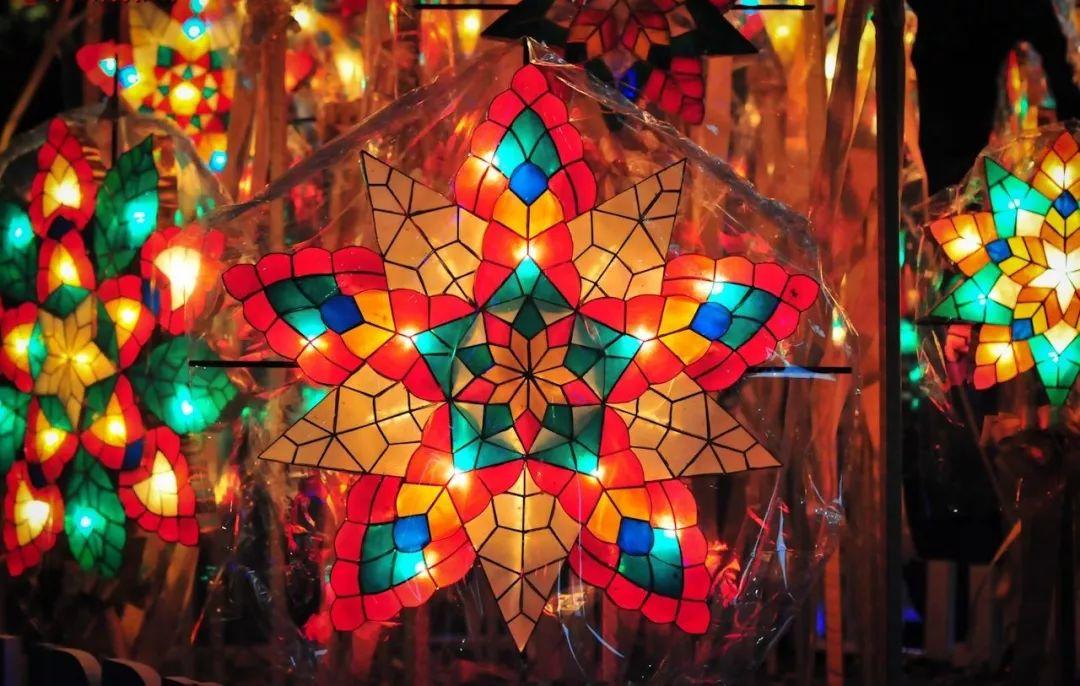
The Parol, a star-shaped Christmas lantern, is one of the most recognizable symbols of Christmas in the Philippines. Its design represents the Star of Bethlehem, which guided the Three Wise Men to the birthplace of Jesus. Traditionally made with bamboo frames and colorful paper, Parols have evolved into more elaborate decorations featuring capiz shells, plastic materials, and electric lights.
Beyond their decorative purpose, Parols carry cultural and religious meaning:
- Faith: The star represents the Star of Bethlehem and the Christian meaning of Christmas.
- Hope: Its light symbolizes hope and guidance during the holiday season.
- Community: Families and local artisans often work together to create and display lanterns.
Parols can be seen outside homes, churches, shopping centers, and public spaces throughout the Christmas season. In Pampanga, this traditional craft has also inspired the spectacular giant lantern displays that attract visitors from across the country.
Noche Buena: A Special Christmas Eve Celebration

Noche Buena is the traditional Christmas Eve feast shared by Filipino families, usually after attending the evening or midnight Mass on December 24. The Spanish term means "Good Night," but in Filipino culture, it refers to a special meal that brings relatives and loved ones together.
Unlike an ordinary dinner, Noche Buena often features a generous spread of festive dishes, with popular choices including:
- Lechon: Whole roasted pig with crispy skin, often served at large family gatherings.
- Hamon: Filipino-style Christmas ham, commonly served with cheese or bread.
- Queso de Bola: Edam cheese covered in distinctive red wax, a familiar sight on Filipino holiday tables.
- Fruit Salad: A sweet dessert typically made with fruit cocktail, cream, and condensed milk.
The menu varies between households, but the central idea remains the same: sharing food and celebrating Christmas together.
Christmas Caroling and Community Traditions

Christmas caroling is another familiar tradition across Filipino neighborhoods. Groups of children, friends, or local performers visit houses to sing Christmas songs, often accompanied by simple homemade instruments such as tambourines made from bottle caps. Popular songs include both international Christmas classics and Filipino favorites such as Ang Pasko Ay Sumapit. In return, households may give carolers small amounts of money, sweets, or snacks.
Another cherished custom involves children visiting their godparents (ninong and ninang) and older relatives on Christmas Day. They traditionally perform mano, a gesture of respect in which a younger person takes an elder's hand and brings it to their forehead. Children may then receive aguinaldo, meaning a Christmas gift or monetary present. These customs make Christmas more than a religious celebration. They also strengthen relationships between generations and bring a sense of community to neighborhoods across the Philippines.
What Do Filipinos Eat at Christmas?
Food is an essential part of Christmas celebrations in the Philippines. From freshly cooked rice cakes sold outside churches during Simbang Gabi to elaborate family feasts, Filipino holiday dishes combine local ingredients with culinary influences from Spanish and other cultures. Some foods are closely associated with the Christmas season, while others are popular dishes served at family gatherings throughout the year.
Bibingka and Puto Bumbong: Traditional Christmas Rice Cakes

Two of the most recognizable Filipino Christmas treats are Bibingka and Puto Bumbong. Both are traditionally enjoyed during the Simbang Gabi season, particularly after early morning church services.
- Bibingka: A soft, slightly sweet rice cake traditionally baked in a clay oven between layers of heated charcoal. It is lined with banana leaves and commonly topped with butter, grated coconut, salted egg, or cheese.
- Puto Bumbong: A purple-colored sticky rice cake made from glutinous rice and steamed in narrow bamboo tubes. It is usually served on banana leaves with butter or margarine, grated coconut, and brown sugar.
These warm rice cakes are commonly sold at temporary food stalls outside churches during December. Their seasonal availability and association with Simbang Gabi make them an important part of Filipino Christmas food culture.
Lechon, Hamon and Queso de Bola: Christmas Feast Favorites

For larger Christmas gatherings, Filipino families often prepare a variety of savory dishes. Three familiar favorites are:
- Lechon: A whole pig slowly roasted over charcoal until the skin becomes crispy and golden while the meat remains tender. It is a popular centerpiece at major Filipino celebrations, including Christmas.
- Hamon: Filipino-style Christmas ham, often prepared with a sweet glaze made from ingredients such as pineapple juice and brown sugar. It is commonly served sliced alongside bread or other festive dishes.
- Queso de Bola: A round Edam cheese covered in distinctive red wax. Its appearance has become closely associated with Filipino Christmas celebrations, and it is often served with ham and bread.
These dishes reflect the festive character of Filipino holiday meals, although the exact menu varies depending on family preferences and regional traditions.
Traditional Filipino Christmas Desserts and Drinks

Sweet dishes and traditional drinks add another layer to the Filipino Christmas table. Some popular choices include:
- Leche Flan: A rich caramel custard made with egg yolks, milk, and sugar. It is commonly served as a dessert during family celebrations.
- Ube Halaya: A thick, sweet purple yam dessert made from mashed ube, milk, and sugar. It can be served on its own or used as an ingredient in other Filipino sweets.
- Tsokolate: Traditional Filipino hot chocolate made by dissolving cacao tablets, known as tablea, in hot water or milk. It is often enjoyed with bread or rice-based snacks.
These desserts and drinks showcase the Philippines' love of rich, sweet flavors and locally familiar ingredients.
Christmas Lights and Festivals in the Philippines
Christmas in the Philippines is known for its colorful decorations and spectacular light displays. From traditional Parol lanterns hanging outside homes to large-scale community festivals, lights are an important part of the country's holiday atmosphere. Among these celebrations, the Giant Lantern Festival in Pampanga stands out as one of the most impressive Christmas events in the country.

Giant Lantern Festival in San Fernando, Pampanga
The Giant Lantern Festival, locally known as Ligligan Parul, is an annual Christmas celebration held in San Fernando, Pampanga. The city is widely known as the Christmas Capital of the Philippines, largely because of its long-standing lantern-making tradition and this spectacular event.
The festival features a competition between local communities, known as barangays, each presenting an enormous handmade lantern. These displays can reach approximately 20 feet in diameter and feature intricate geometric patterns, vibrant colors, and thousands of lights that move in sync with music.
The Story Behind the Giant Lantern Festival
The Giant Lantern Festival traces its roots to the Lubenas processions in Pampanga, a religious tradition held during the nine days leading up to Christmas. Early lanterns were relatively small, made from bamboo and paper, and carried through local communities during these celebrations.
Over time, lantern making evolved into a competition, with communities creating increasingly larger and more elaborate designs. The introduction of electricity in the 1930s transformed the tradition, allowing artisans to incorporate colorful lights and more complex patterns. Today, modern lanterns use sophisticated lighting systems to create spectacular displays synchronized with music.
The festival has since become a symbol of Pampanga's craftsmanship, community spirit, and distinctive Christmas heritage.
Other Christmas Light Displays and Festive Events
Beyond Pampanga, several destinations across the Philippines also create festive displays during the Christmas season. Travelers can find illuminated streets, decorated public spaces, and seasonal events, particularly in major cities.
- Manila: Shopping districts and commercial centers feature elaborate Christmas trees, illuminated decorations, and seasonal displays. Makati's Ayala Triangle Gardens is known for its Festival of Lights, which combines music and large-scale visual projections.
- Quezon City: Major commercial areas and public spaces feature Christmas decorations and seasonal light installations, creating opportunities to enjoy the festive atmosphere without traveling far from Metro Manila.
- Cebu City: Shopping malls, churches, and public spaces display Christmas lights and decorations, adding a festive atmosphere to the city's holiday celebrations.
These displays vary each year, so travelers should check local event announcements for current schedules and locations.
Where to Experience Christmas in the Philippines
Christmas celebrations take place across the Philippines, but some destinations offer particularly memorable ways to experience the holiday season. From spectacular lantern displays in Pampanga to illuminated shopping districts in Manila and religious festivities in Cebu, each destination showcases a different side of Filipino Christmas culture.
San Fernando, Pampanga: The Christmas Capital of the Philippines
San Fernando is one of the best places to experience traditional Filipino Christmas celebrations. Known as the Christmas Capital of the Philippines, the city is famous for its lantern-making industry and the annual Giant Lantern Festival.
Beyond the main festival, visitors can explore local lantern workshops to see how artisans create Parols using intricate designs and lighting techniques. The surrounding Pampanga region is also known for its culinary traditions, making it a good destination for travelers interested in both Christmas culture and local food.
Best for: Giant lantern displays, traditional craftsmanship, and local Christmas celebrations.
Manila: Christmas Lights and Shopping Destinations
Manila offers a more urban Christmas experience, with shopping malls, commercial districts, and public spaces decorated with elaborate festive displays.
Some popular places to explore include:
- Ayala Triangle Gardens, Makati: Known for its seasonal Festival of Lights, featuring illuminated installations and synchronized light-and-music presentations.
- Bonifacio Global City (BGC), Taguig: Its streets and commercial areas often feature large Christmas installations, decorated trees, and seasonal activities.
- SM Mall of Asia, Pasay: A major shopping and entertainment destination where visitors can enjoy large Christmas decorations and seasonal events.
Manila is also a convenient base for travelers who want to combine Christmas sightseeing with shopping, dining, and other city attractions.
Best for: Large Christmas decorations, shopping, and urban holiday entertainment.
Cebu: Religious Celebrations and Local Festivities
Cebu offers a different perspective on Filipino Christmas, with strong religious traditions and a lively local atmosphere. Churches play an important role in the holiday season, while shopping centers and public spaces add festive decorations throughout the city.
Visitors can explore several notable places:
- Basilica Minore del Santo Niño: One of the Philippines' most important Catholic churches, where religious traditions remain central to local celebrations.
- Fuente Osmeña Circle: A popular public landmark that often features seasonal decorations and Christmas displays.
- Colon Street: One of Cebu's historic commercial areas, offering a glimpse of local city life and shopping traditions.
Travelers visiting in December can also experience the preparations for the Sinulog Festival, Cebu's major religious and cultural celebration held in January. Although Sinulog is not a Christmas festival, its preparations add to the city's festive atmosphere around the holiday period.
Best for: Religious heritage, local traditions, and combining Christmas travel with cultural sightseeing.
Travel Tips for Visiting the Philippines at Christmas
Christmas is one of the busiest travel periods in the Philippines. Planning your trip in advance can help you avoid crowded transport, limited hotel availability, and holiday schedule changes.

Best Time to Visit During the Christmas Season
The Christmas atmosphere begins in September, but November and December are generally the best months to experience the festive season.
- September–October: Christmas decorations and music start appearing in shopping malls and public spaces. This is a good period for a quieter visit.
- November: Festive events become more frequent, while travel is generally less crowded than during the Christmas week.
- December: The holiday atmosphere reaches its peak, especially around Christmas Eve and Christmas Day. Expect larger crowds and higher demand for accommodation and transport.
- Early January: Christmas celebrations continue in some communities, offering another opportunity to experience local traditions.
If you want to attend a specific event, check its official schedule before booking, as dates can vary each year.
Weather and What to Pack
December marks the start of the cooler, generally drier season in many parts of the Philippines. However, weather conditions vary by region, and occasional heavy rain or tropical storms are still possible.
Pack according to your destinations:
- Lightweight clothing: Breathable shirts, shorts, and comfortable outfits are suitable for most lowland destinations.
- Light jacket: Useful for air-conditioned shopping malls, buses, and cooler evenings.
- Umbrella or light rain jacket: Helpful for unexpected showers.
- Comfortable walking shoes: Essential for exploring cities, markets, and outdoor festivals.
- Sun protection: Bring sunscreen, sunglasses, and a hat for daytime sightseeing.
If your itinerary includes mountainous areas such as Baguio, pack an extra layer, as temperatures can be noticeably cooler.
Transportation and Accommodation Tips
Travel demand increases significantly around Christmas, particularly in major cities and popular holiday destinations.
- Book flights and hotels early: Secure accommodation and domestic flights several weeks or months ahead, especially for travel around December 24–January 1.
- Allow extra travel time: Traffic in Metro Manila can be heavy, particularly around shopping districts and major event venues.
- Check holiday transport schedules: Bus, ferry, and public transport services may operate on reduced schedules during Christmas and New Year.
- Plan intercity journeys carefully: If visiting Pampanga from Manila for the Giant Lantern Festival, check event dates and arrange transport in advance.
- Use ride-hailing apps where available: Services such as Grab can make city travel more convenient, although waiting times and fares may increase during peak periods.
What to Expect During the Holiday Period
Christmas is a major family holiday in the Philippines, so daily routines can change around December 24 and 25.
- Some businesses may close early: Small shops, restaurants, and local services may have limited hours on Christmas Eve and Christmas Day.
- Popular attractions can get crowded: Shopping malls, churches, light displays, and public event venues often attract large numbers of visitors.
- Expect festive music and decorations: Even ordinary shopping areas and neighborhoods can have elaborate Christmas displays.
- Plan meals and activities ahead: Make restaurant reservations where possible and check attraction opening hours before visiting.
A little flexibility in your itinerary will make it easier to enjoy the celebrations without being affected by holiday crowds or schedule changes.
Stay Connected During Your Christmas Trip to the Philippines
Reliable mobile internet can make your Christmas trip around the Philippines easier, especially when navigating unfamiliar cities, checking festival schedules, and arranging transportation. With mobile data, you can:
- Navigate unfamiliar places: Use Google Maps to find attractions, restaurants, churches, and public transport routes.
- Check event updates: Follow official announcements for Christmas light displays, festivals, and changes to event schedules.
- Arrange transportation: Book Grab rides, check pickup locations, and communicate with drivers.
- Stay in touch with family: Use messaging and video-calling apps to coordinate meetups or contact relatives.
- Share your travel moments: Upload photos and videos of Christmas decorations, local celebrations, and festive street scenes.
For convenient connectivity, consider a ByteSIM Philippines eSIM. You can arrange mobile data before departure and connect after arriving, without needing to purchase a physical SIM card at the airport. Check your phone's eSIM compatibility and choose a data plan that matches your travel duration and expected usage.
Planning a Christmas trip to the Philippines?
Explore ByteSIM to find a mobile data option for your journey. Check the specific Philippines plan's coverage, data allowance, validity, and activation rules before purchasing.
Explore ByteSIM eSIM →FAQ
Why Is Christmas So Long in the Philippines?
The long Christmas season reflects the country's strong Catholic traditions and the importance of family gatherings. The extended celebrations also include religious observances, community events, and festive preparations throughout the final months of the year.
What Is the Most Famous Christmas Festival in the Philippines?
The Giant Lantern Festival in San Fernando, Pampanga, is one of the country's most famous Christmas events. It features enormous illuminated lanterns with intricate patterns and synchronized lighting displays.
Is the Philippines a Good Place to Visit at Christmas?
Yes. Christmas is an excellent time to experience Filipino culture, from traditional church celebrations and family feasts to colorful lantern displays and festive shopping areas. However, expect busy transport, crowded attractions, and higher accommodation demand around Christmas Day and New Year.
What Should I Wear in the Philippines in December?
Lightweight, breathable clothing is suitable for most destinations, as temperatures generally remain warm. Bring a light jacket for cooler evenings or air-conditioned spaces, comfortable walking shoes, and an umbrella or rain jacket for occasional showers. Pack warmer layers if visiting higher-altitude destinations such as Baguio.
© Philippines Christmas Guide — Plan your trip and experience the world's longest Christmas season.