eSIM for Educational Travelers: Conferences, Exchange, and Research Abroad
Jul 19,2025 | Antonio
Table of contents
Why Academic Travelers Need Reliable Connectivity
How eSIMs Support Educational Travel
Top Benefits of Using eSIM for Scholars and Exchange Students
How to Ensure Data Security and Protection While Abroad
Tips for Choosing the Right Academic Travel eSIM
Best eSIM Provider for Academic Travelers
FAQs: Some of the frequently asked questions
1. Why Academic Travelers Need Reliable Connectivity
In today’s global education landscape, students, researchers, and educators are more mobile than ever. Exchange programs, international conferences, fieldwork, and academic fellowships are connecting people across borders. As this mobility increases, so does the need for reliable and flexible connectivity.
Staying connected while abroad is essential for academic success. Whether it’s attending virtual lectures, accessing research materials, submitting assignments, or communicating with advisors, a stable internet connection is no longer optional—it’s critical to learning and productivity.
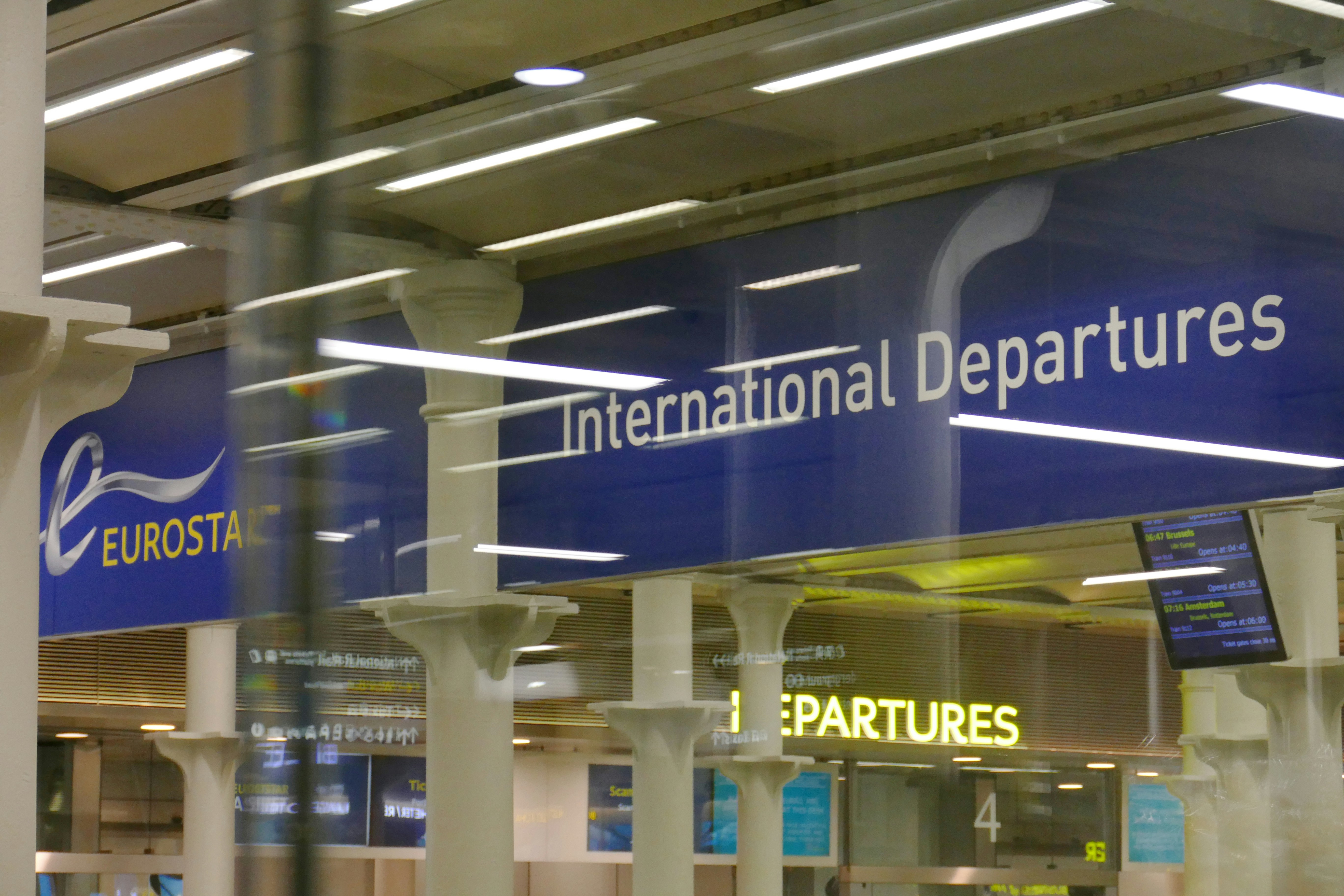
However, traditional options often fall short. Buying a local SIM card can be confusing and time-consuming. Roaming with a home SIM is expensive. Public Wi-Fi is often slow, unsecured, or simply unavailable—especially in research sites or busy academic venues.
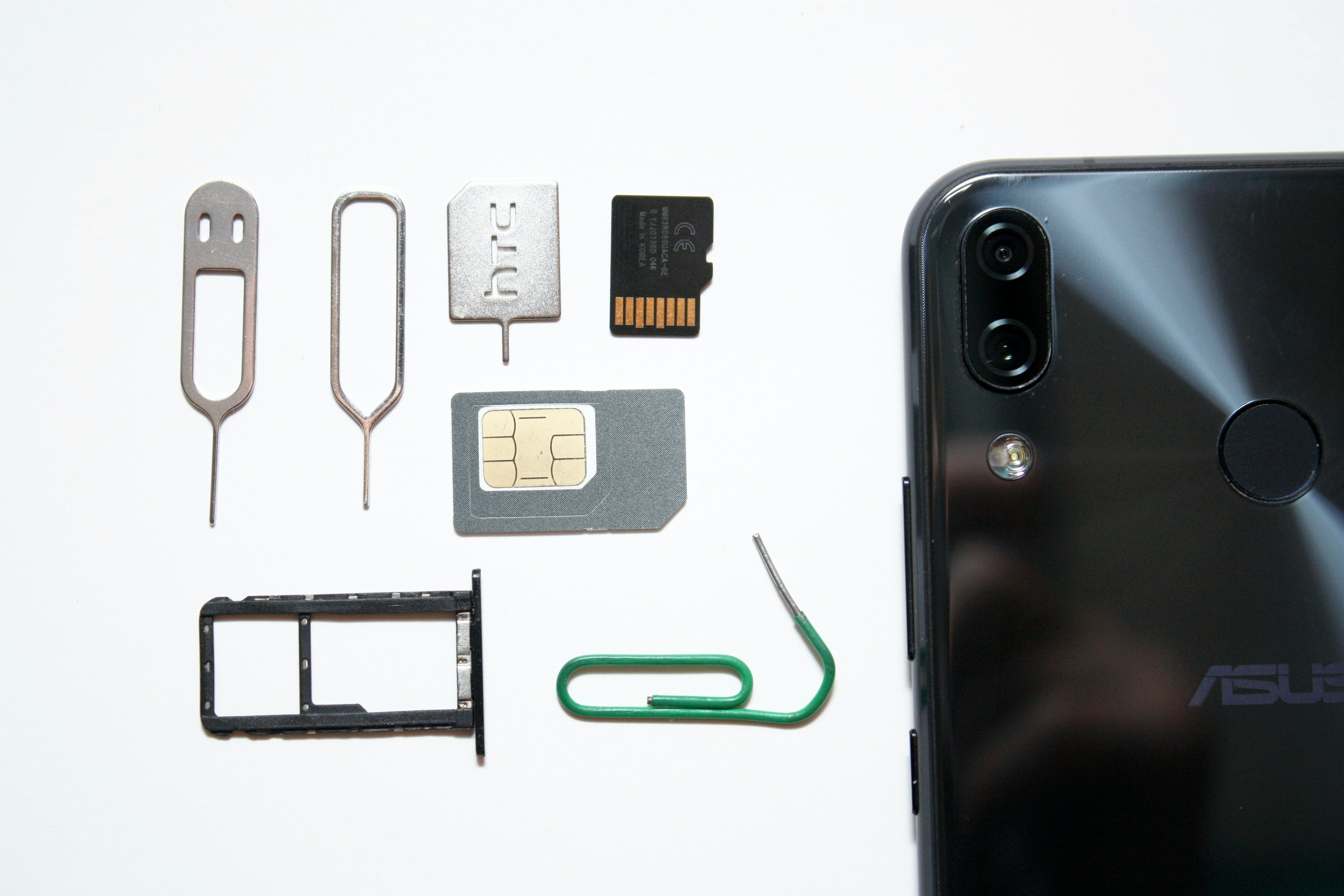
eSIM technology solves these issues by offering instant, borderless connectivity. For scholars moving between countries, eSIMs provide unmatched convenience. Many plans support multiple destinations, making them perfect for regional research or academic tours.
2. How eSIMs Support Educational Travel
Attending International Academic Conferences
Academic conferences are fast-paced and highly connected environments. Scholars need quick access to email, cloud storage, presentation tools, and live streaming platforms.
With an eSIM, travelers can activate high-speed data as soon as they arrive, ensuring uninterrupted communication with colleagues and event organizers. It’s especially useful in unfamiliar countries, where locating a local SIM card vendor may not be convenient or immediate.
Semester-Long Exchange Programs
For exchange students, who will spend several months abroad, staying connected is essential and crucial for both academic and personal life. eSIMs offer affordable and flexible data plans without the hassle of local paperwork or language barriers. Many eSIM providers also offer multi-country plans, which are ideal for students who travel across borders during school breaks. Plus, dual SIM support lets them keep their home number for family while using a local eSIM for study life.

Research Fieldwork and Data Collection Abroad
Field researchers working in rural or remote areas often need real-time access to online databases, cloud backups, GPS tools, and communication apps. eSIMs provide a secure, mobile internet connection in locations where Wi-Fi isn’t available.
Since plans can be activated instantly and remotely, researchers can avoid long detours just to purchase a SIM card—saving time and improving productivity in the field.
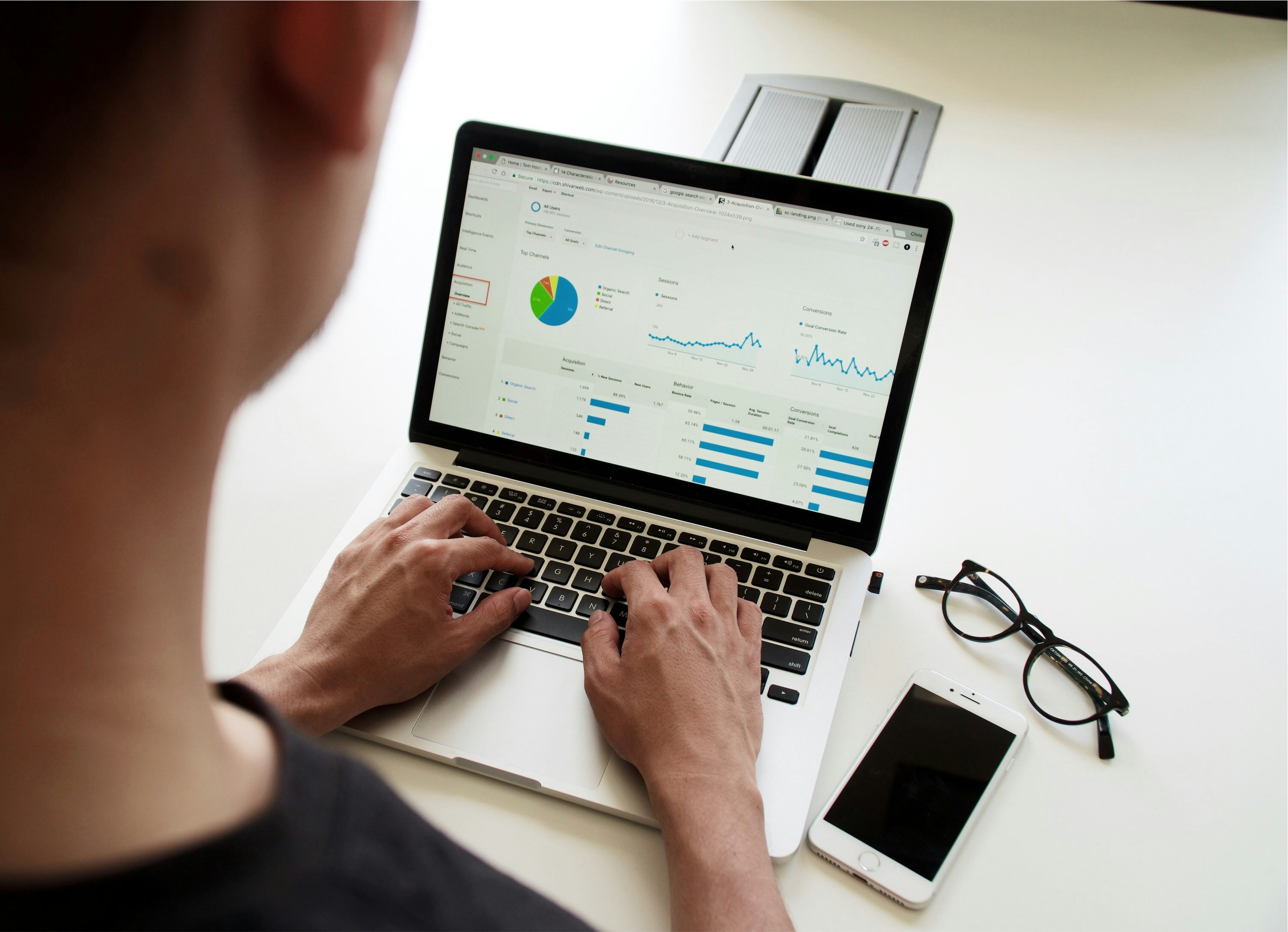
Guest Lectureships and Academic Fellowships
Educators and scholars traveling for guest lectures or short-term fellowships often work across multiple campuses or cities. eSIMs offer seamless connectivity, allowing them to switch between locations without worrying about changing SIM cards or dealing with new telecom providers.
3. Top Benefits of Using eSIM for Scholars and Exchange Students
Instant Activation Upon Landing
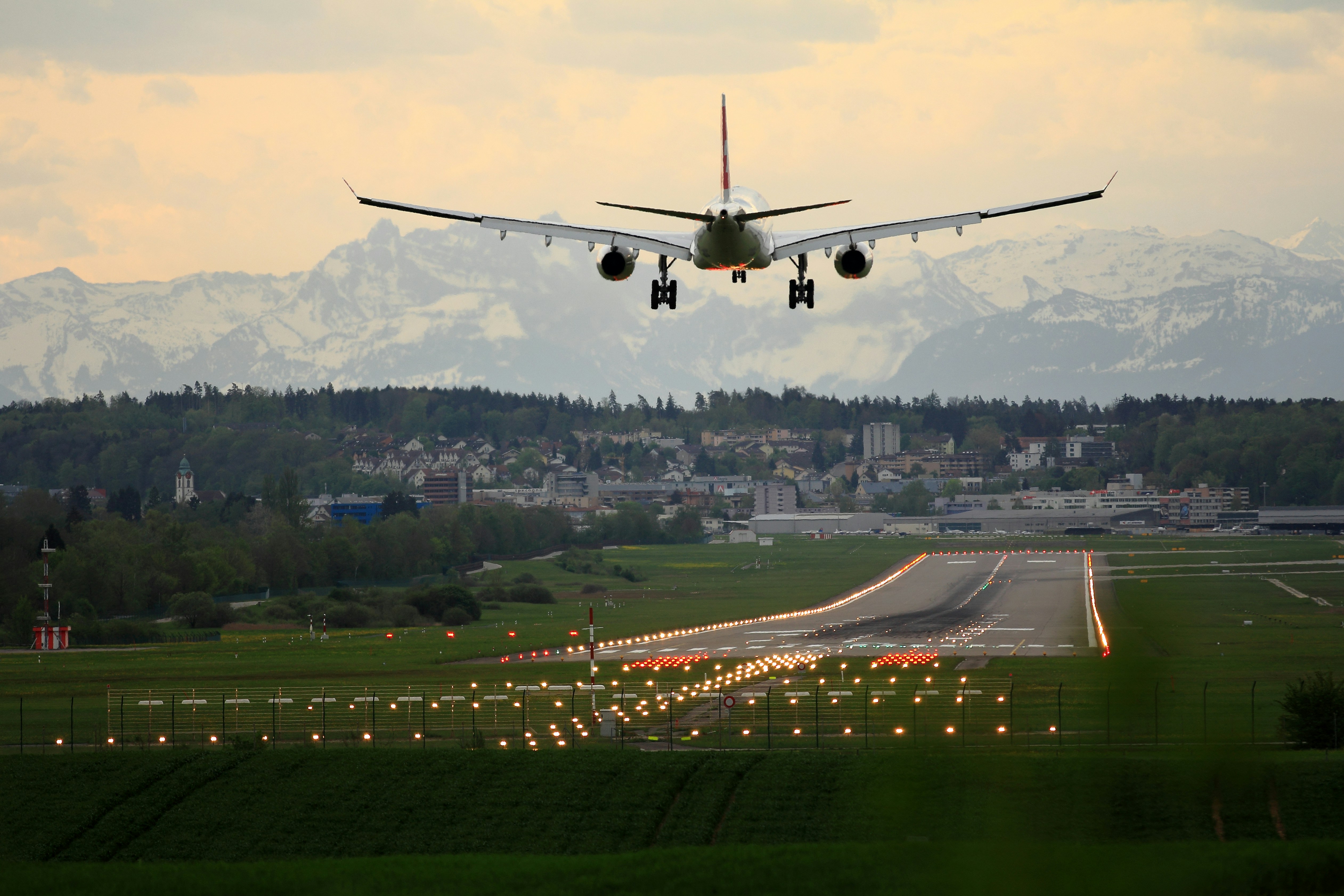
One of the biggest advantages of using an eSIM is instant activation. Students and scholars can scan a QR code and connect to mobile data within minutes—often before even leaving the airport.This is particularly useful when arriving in unfamiliar countries where navigation, ride-hailing apps, or contacting hosts is urgent.
No Need to Swap SIMs or Visit Mobile Stores
Traditional SIM cards can be a hassle, especially when moving between countries. Finding a local telecom store, dealing with language barriers, or inserting tiny SIM cards is inconvenient and outdated. eSIM eliminates this process: Scholars can download and activate data plans digitally through an app or email, often before departure. There’s no risk of losing or damaging a SIM card, and no physical handling is required—just tap and connect.
Dual SIM Support for Separating Personal and Academic Numbers
Many eSIM-compatible devices allow dual SIM functionality, meaning students and researchers can use both a local eSIM and their home number simultaneously. This is ideal for keeping academic communications (like advisor emails, research contacts, and campus apps) separate from personal calls and messages.
Easy Top-Ups and Plan Switching While Traveling
eSIMs offer unmatched flexibility for academic travelers. Whether you're extending your exchange program or traveling to another country for research, you can easily top up your data or switch to a new plan without visiting a store. Many eSIM platforms let you manage your data usage, buy more coverage, or switch regions directly through a mobile app. This makes it easy to stay connected throughout your educational journey—no matter where it takes you.
4. How to ensure Data Security and Protection While Abroad
Avoid Public Wi-Fi
Academic travelers should avoid public Wi-Fi. Public Wi-Fi networks—especially those in airports, cafes, and hotels—are often unencrypted and vulnerable to cyberattacks.
Academic travelers working on sensitive research or accessing institutional platforms risk exposing personal data, login credentials, and research files. Man-in-the-middle attacks, data sniffing, and malware injections are common threats. Using public Wi-Fi might seem convenient, but it can lead to serious privacy breaches—especially for scholars accessing university systems or cloud-based academic tools while on the move.
Use eSIM as a Secure Alternative for Research and Communication
Using an eSIM with a mobile data plan is a safer and more private way to stay online. Mobile networks are encrypted, making them far more secure than public Wi-Fi. For students and researchers who regularly upload field data, join video lectures, or collaborate through platforms like Google Drive or Microsoft Teams, mobile data ensures stronger protection against unauthorized access. With an eSIM, you're using a dedicated, protected network that limits the risk of data interception.
Pay attention to Protection for Institutional Access and Sensitive Information
Many universities require two-factor authentication (2FA) for access to digital resources, email accounts, or student portals. A secure mobile data connection via eSIM ensures these services are accessible without delays or blocks.
It also reduces the chance of accounts being flagged for suspicious login attempts from abroad. Whether accessing library databases, uploading a thesis, or participating in live discussions, a secure internet connection keeps your academic activity safe and uninterrupted.
5. Tips for Choosing the Right Academic Travel eSIM
Check Device Compatibility Before Departure
Not all devices support eSIM, so the first step is to confirm whether your smartphone, tablet, or laptop is eSIM-enabled. Most newer iPhones, Google Pixels, and Samsung Galaxy models support eSIM, but it’s always best to verify with your device manufacturer.
Besides, make sure your device is unlocked—some carrier-locked phones may not allow activation of third-party eSIMs. Checking compatibility before departure avoids connectivity issues once you arrive at your academic destination.
Consider Multi-Country vs. Single-Country Plans
Choosing the most suitable plans according to the destinations of your academic travel. If your academic journey involves visiting only one country—such as attending a semester-long program in France—a single-country eSIM plan will usually offer the best value.
However, if you're attending conferences across Europe or conducting research in several regions, a multi-country or regional eSIM plan is more practical. These plans allow you to stay connected without switching carriers or purchasing new data plans each time you cross a border—ideal for mobile scholars on the move.

Evaluate Hotspot Needs and Daily Usage
Think about how much data you’ll use and whether you'll need to share your connection. If you're attending online lectures, uploading large research files, or frequently video calling, opt for a plan with generous data limits.
For those needing to connect a laptop or tablet, check if the eSIM plan supports personal hotspot or tethering. Not all plans allow it, so it’s important to read the fine print before purchasing to avoid being caught off guard.
6. Best eSIM Provider for Academic Travelers
For students, researchers, and educators traveling abroad, having a reliable eSIM provider is essential for staying connected during conferences, exchange programs, and research trips.
Among the many providers, ByteSIM stands out as one of the best choices for academic travelers. It offers fast and reliable data coverage in key education and research hubs like the USA, China, Japan, and more.
ByteSIM partners with top-tier network operators such as StarHub and Simba, both recognized by Opensignal® as providing Singapore’s fastest 5G mobile networks in December 2024.
Whether you're presenting at a global conference, participating in an exchange semester, or collecting data in remote regions, ByteSIM provides the connectivity tools you need to focus on your academic goals.
7. FAQs: Some of the frequently asked questions
How do I activate an eSIM when I arrive in a new country?
With an eSIM, you can activate high-speed data as soon as you arrive, often by scanning a QR code and connecting within minutes, sometimes even before leaving the airport. This is especially convenient in unfamiliar countries.
Can I keep my home phone number while using an eSIM abroad?
Yes, many eSIM-compatible devices support dual SIM functionality, allowing you to use both a local eSIM for data and your home number simultaneously. This helps separate personal and academic communications.
How secure is using an eSIM compared to public Wi-Fi?
Using an eSIM with a mobile data plan is a safer and more private way to stay online. Mobile networks are encrypted, making them far more secure than unencrypted public Wi-Fi networks which are vulnerable to cyberattacks like man-in-the-middle attacks, data sniffing, and malware injections.
What if I need more data or travel to another country during my academic trip?
eSIMs offer great flexibility. For some packages, you can easily top up your data directly through a mobile app, even if you extend your program or travel to another country. While for others, you can only switch to a new plan or purchase new packages to get more data. Check through the official website whether your product supports top-up service.
Plans that may interest you
Comment