
What Is Canada Known For? 10 Canadian Experiences You Shouldn’t Miss
Aug 10,2026 | Milo
Forget the igloos. And forget the idea that Canada can be summed up with maple syrup and people saying “sorry.” Those are part of it. They just aren't the interesting part.
Canada is turquoise lakes and enormous mountains. It's hockey fans arguing about a game like it personally ruined their evening. It's poutine after a long day outside. It's driving for hours because the next place on your itinerary looked much closer on the map.
And the country is so big that two trips to Canada can feel like completely different vacations. One trip might be Toronto, Montreal, and Quebec City. Another could be Banff, a road trip through the Rockies, and a night spent waiting for the Northern Lights.
So, what is Canada actually known for? Here are 10 things that explain it better than the usual stereotypes.
Quick Answer: What Is Canada Most Famous For?
Canada is known for the contrast between its cities and its outdoors. You can spend the morning in downtown Toronto and, on another part of the trip, end up somewhere with more bears than buildings.
| Category | What Canada Is Known For |
|---|---|
| Nature | Banff, the Canadian Rockies, Niagara Falls, Northern Lights |
| Wildlife | Moose, bears, whales, orcas, polar bears |
| Food | Poutine, maple syrup, Tim Hortons, BeaverTails |
| Sports | Ice hockey, lacrosse |
| Culture | Multicultural cities, Indigenous heritage, the famous “sorry” |
| Cities | Toronto, Vancouver, Montreal, Quebec City |
| Travel Experiences | Road trips, hiking, skiing, whale watching, aurora hunting |
1. The Canadian Rockies Are Probably What You Picture First
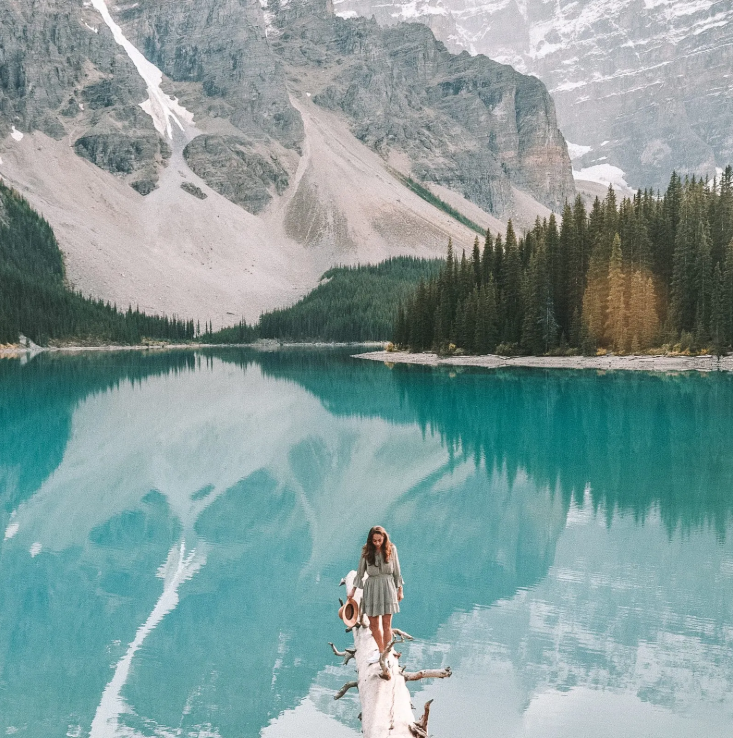
You know those Canada photos. Bright blue-green lake. Snow-covered mountains. A road disappearing into a forest. There's a good chance you're looking at the Canadian Rockies.
And Banff is the obvious place to start. Banff National Park was established in 1885 as Canada's first national park. Today, it is still one of the country's biggest travel draws.
Lake Louise. Moraine Lake. Lake Minnewanka. The mountain roads around Banff. You've probably seen at least one of them online.
But here's the part that is easy to miss in the photos: The lakes really are that color. A lot of the famous lakes in the Rockies are fed by glaciers. Glaciers grind rock into extremely fine material called glacial rock flour. When that material gets into the water, it affects the way light is scattered. That's what helps produce those strange turquoise and blue-green colors. So no, the photographer didn't necessarily spend three hours fixing the saturation.
One thing you'll want before a Rockies road trip
Download your maps. Seriously. Don't assume you'll have a perfect mobile connection just because Google Maps worked perfectly in Toronto yesterday. Mountain roads are different. Weather changes. Construction happens. Some routes take much longer than they look on a map.
And if you're using your phone for navigation, weather updates, hotel bookings, or emergency calls, having your data ready before you leave town is a lot easier than trying to sort it out halfway through the trip. You don't want to look down at your phone after turning onto a mountain road and see: No Service. Not exactly the road-trip surprise you were hoping for.
2. The Northern Lights
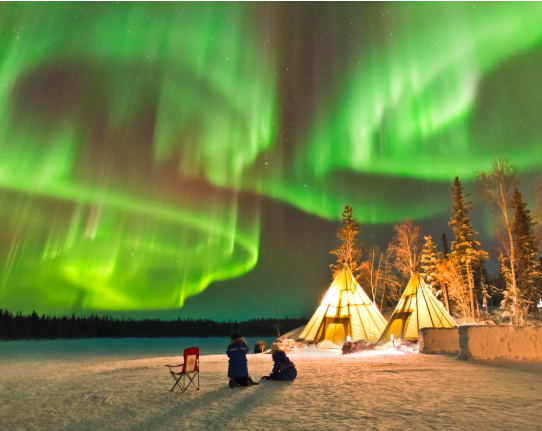
The Northern Lights have a slightly unfair advantage. They already look edited in photographs. Then you see them in person and realize they weren't.
Canada's northern location makes it a popular destination for aurora trips. Yellowknife in the Northwest Territories and destinations across Yukon are particularly well known for viewing the lights. But don't plan an aurora trip like a normal sightseeing stop. You don't just arrive at 9 p.m., take a photo, and go back to the hotel. You wait. Sometimes for hours. You need darkness, reasonably clear skies, and some patience.
And then there's the cold. If you're spending a long night outside, keep your phone protected when you're not using it. Batteries don't love very low temperatures. A power bank is also a good idea.
The eSIM part is much simpler. It won't make your phone warmer. It won't improve your battery. It just means you can sort out your connection before you go instead of trying to deal with a physical SIM card while wearing gloves. Small problem. Easy to avoid.
3. Canada Has Wildlife. Actual Wildlife.
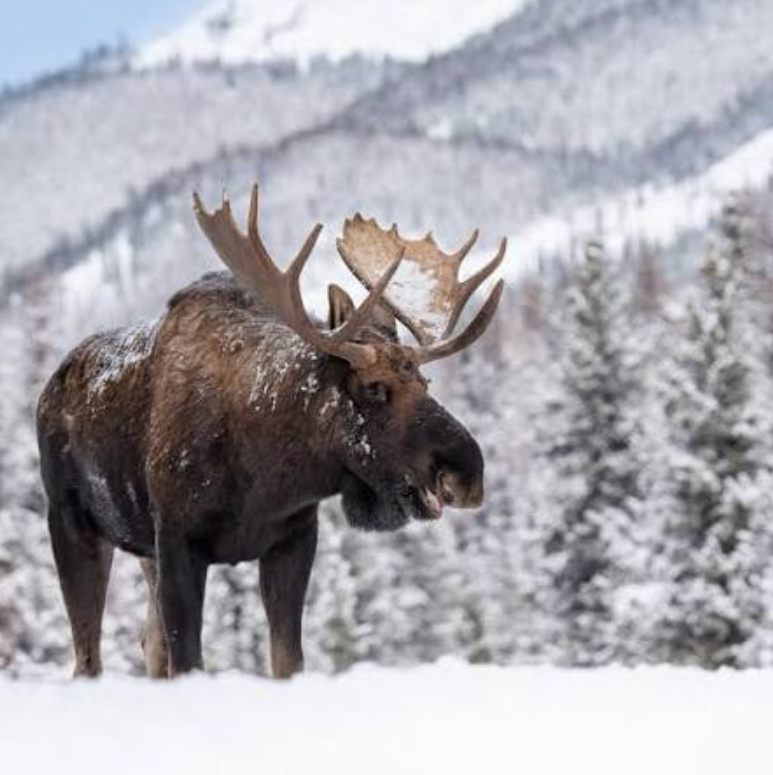
Canada does big landscapes very well. The wildlife isn't exactly small either. Depending on where you're traveling, you might see:
- Moose & Elk
- Black bears & Grizzly bears
- Whales & Orcas
- Polar bears
In the Rockies, wildlife can become part of the road trip. In British Columbia, whale-watching trips can take you out into waters where orcas and other marine life live. And farther north, Churchill is famous for polar bear encounters.
The important word here is wildlife. Not pets. Don't approach an animal because it looks calm. Don't feed it because you want a better photo. And don't assume that staying inside your car makes every situation automatically safe.
A moose beside the road can look surprisingly harmless. It isn't. The same goes for bears. Follow the rules posted by the park you're visiting. Keep your distance. Know what to do before you head onto a trail. Getting a slightly worse wildlife photo is a much better outcome than getting dangerously close to an animal.
4. What Food Is Canada Known For?
Let's make this easy. Poutine. Maple syrup. Those are the two answers you're probably expecting. They're also correct. But Canadian food doesn't stop there. The country's food culture has been shaped by French and British traditions, Indigenous foodways, immigration, regional ingredients, and, well, long winters. People living through cold winters tend to appreciate food that is warm and filling. Makes sense.

Poutine
Three things: Fries. Cheese curds. Gravy. That's basically it. And somehow, it works. The cheese curds should have that familiar squeaky texture when you bite into them. The fries need to hold up under the gravy instead of immediately becoming a pile of potato mush. There are plenty of fancy versions now. Try the classic first. It's especially convincing after you've spent half the day outside in the cold. If someone asks you what food Canada is famous for, poutine is one of the safest answers you can give.
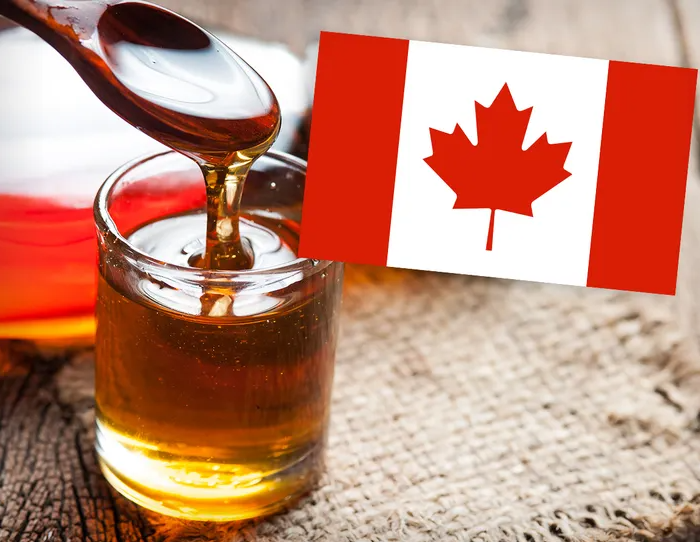
100% Pure Maple Syrup
Canada and maple syrup are difficult to separate. But there is one thing worth knowing before you buy a bottle: 100% pure maple syrup is not the same as maple-flavored pancake syrup.
Canada produced more than 75% of the world's maple syrup in 2025. Quebec accounted for more than 90% of Canadian production. So if you're visiting Quebec during maple season, a sugar shack — cabane à sucre — is more interesting than grabbing a souvenir bottle at the airport. You get the food. You get the maple-based dishes. And you actually see where the syrup comes from. It makes the whole maple thing make more sense.

Tim Hortons
You don't need to be obsessed with coffee to notice Tim Hortons. It's everywhere. You'll especially notice it on road trips when you need breakfast, coffee, or something quick before getting back on the highway. Try a Double-Double if you want the classic Canadian order. That's coffee with two creams and two sugars. Timbits are the little donut holes. And is Tim Hortons the best coffee in Canada? Probably don't ask that question too aggressively.

BeaverTails and Butter Tarts
Still have room? Try something sweet. BeaverTails are flat pieces of fried dough with toppings such as cinnamon sugar or chocolate. Butter tarts are small pastries with a sweet, buttery filling. They're both easy to underestimate. They're also very easy to finish.
5. Hockey Is More Than Just a Sport

Canada has two official national sports. Hockey is the national winter sport. Lacrosse is the national summer sport. The National Sports of Canada Act established those designations in 1994. But if you're visiting Canada, hockey is probably the one you'll notice. Especially during the season.
Kids play it. Adults argue about it. NHL teams have fans who can become extremely invested in the result of a game that, objectively speaking, does not affect their personal lives very much. That's part of the fun. If you're in Toronto, Montreal, Vancouver, Calgary, Edmonton, or Ottawa during hockey season, check whether there's a game you can attend. You don't need to know every player. You don't need to understand every rule. Watch the crowd when the home team scores. You'll get it.
6. Yes, Canadians Really Do Say “Sorry”
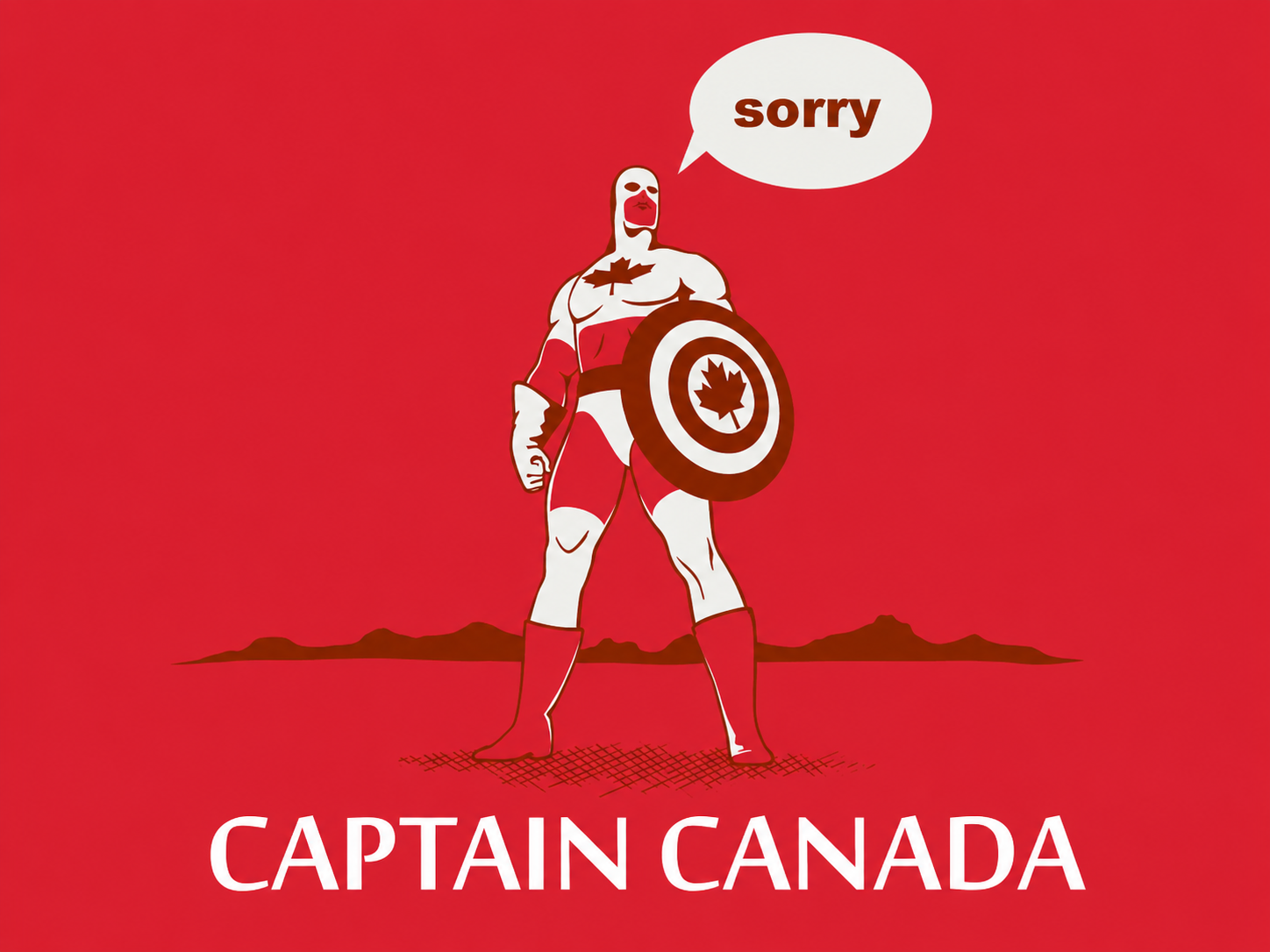
Let's deal with this one. Yes. The stereotype exists for a reason. No, everyone in Canada isn't going to apologize to you every five minutes. But “sorry” does come up a lot. Someone bumps into you? Sorry. You both reach for the same door? Sorry. You didn't hear what someone said? Sorry. It isn't always a serious apology, either. Sometimes it's just a polite way of getting someone's attention or softening a request.
Then there's “eh?” It can be used to ask for agreement, confirmation, or simply turn a statement into a question. You can probably imagine how this gets exaggerated outside Canada. Don't force it. Nothing sounds less Canadian than someone saying “eh?” every twelve seconds because they watched one Canadian comedy sketch before their flight.
7. Niagara Falls Is Better When You're Actually Near It
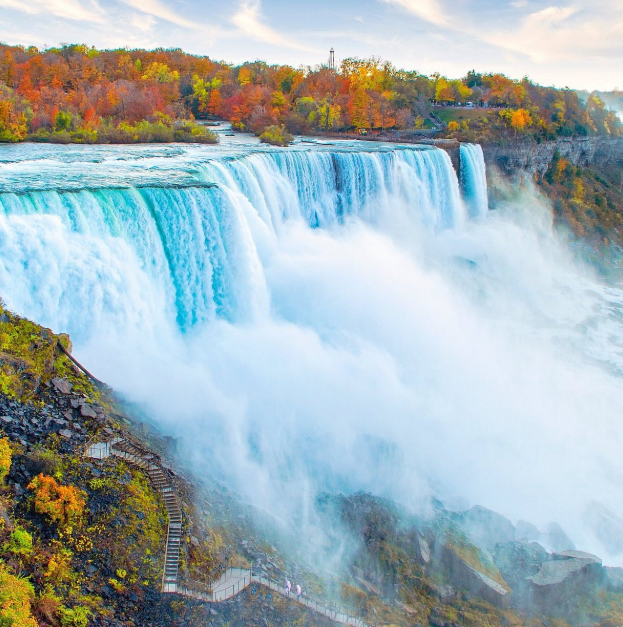
Niagara Falls is difficult to understand through a phone screen. You can see the Falls in a photo. You can't hear them. You can't feel the mist. And you definitely can't appreciate how much water is moving. The Falls sit on the border between Canada and the United States, with the Canadian side offering a particularly broad view of the Horseshoe Falls.
If you're already there, don't just take three photos from the railing and leave. Get closer. Niagara City Cruises operates the official Voyage to the Falls boat tour for Niagara Parks. The boat heads toward the base of the Falls, passing the American and Bridal Veil Falls before reaching the mist around the Canadian Horseshoe Falls.
Yes, you'll get wet. That's the point. A recyclable poncho is provided. Your phone still needs some common sense. Keep it somewhere secure. A pocket isn't automatically waterproof just because it happened to survive yesterday's rain. And if you've had enough of the mist, the surrounding Niagara Parks area gives you plenty to do without standing beside the Falls all afternoon.
8. The CN Tower
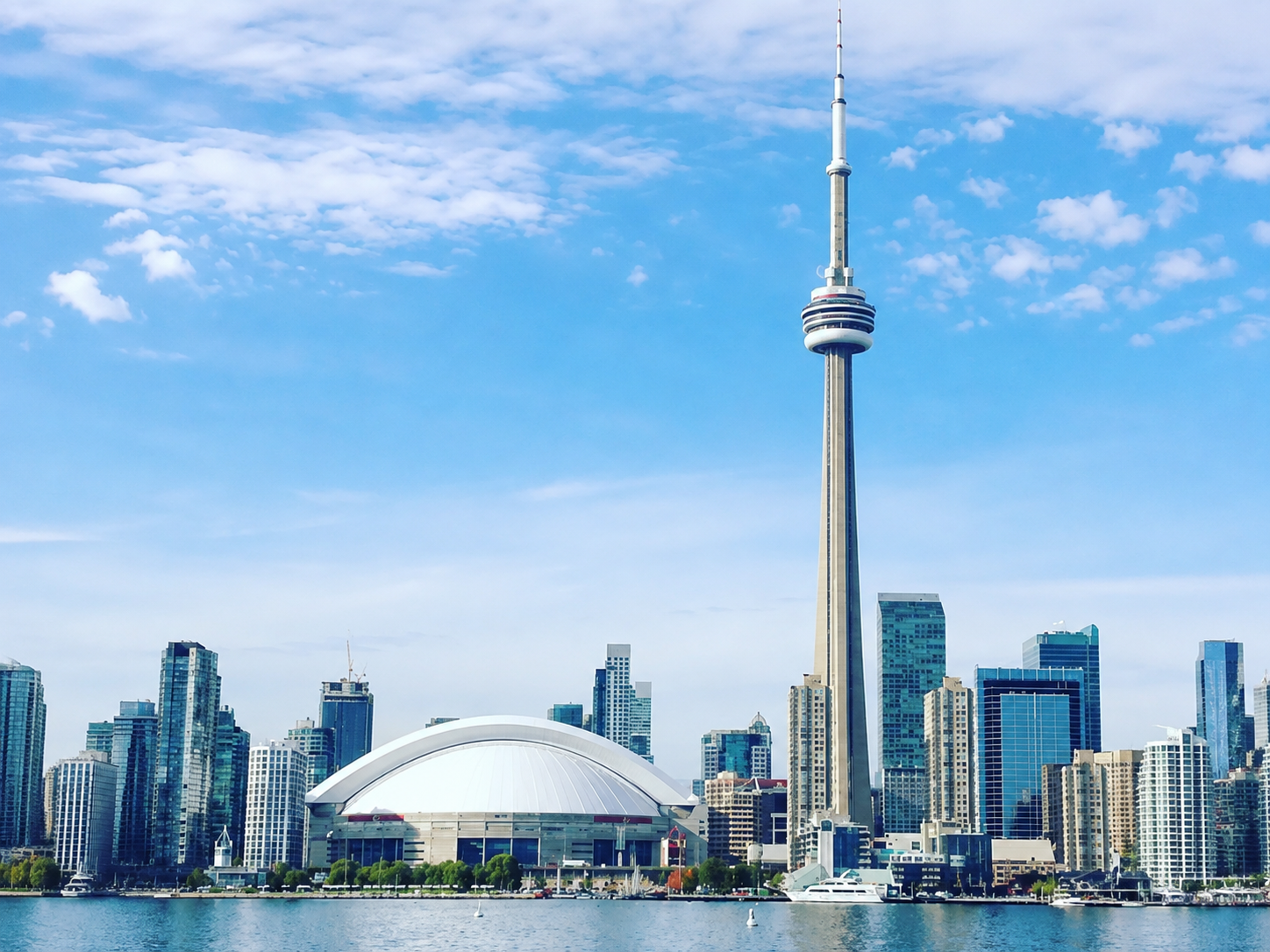
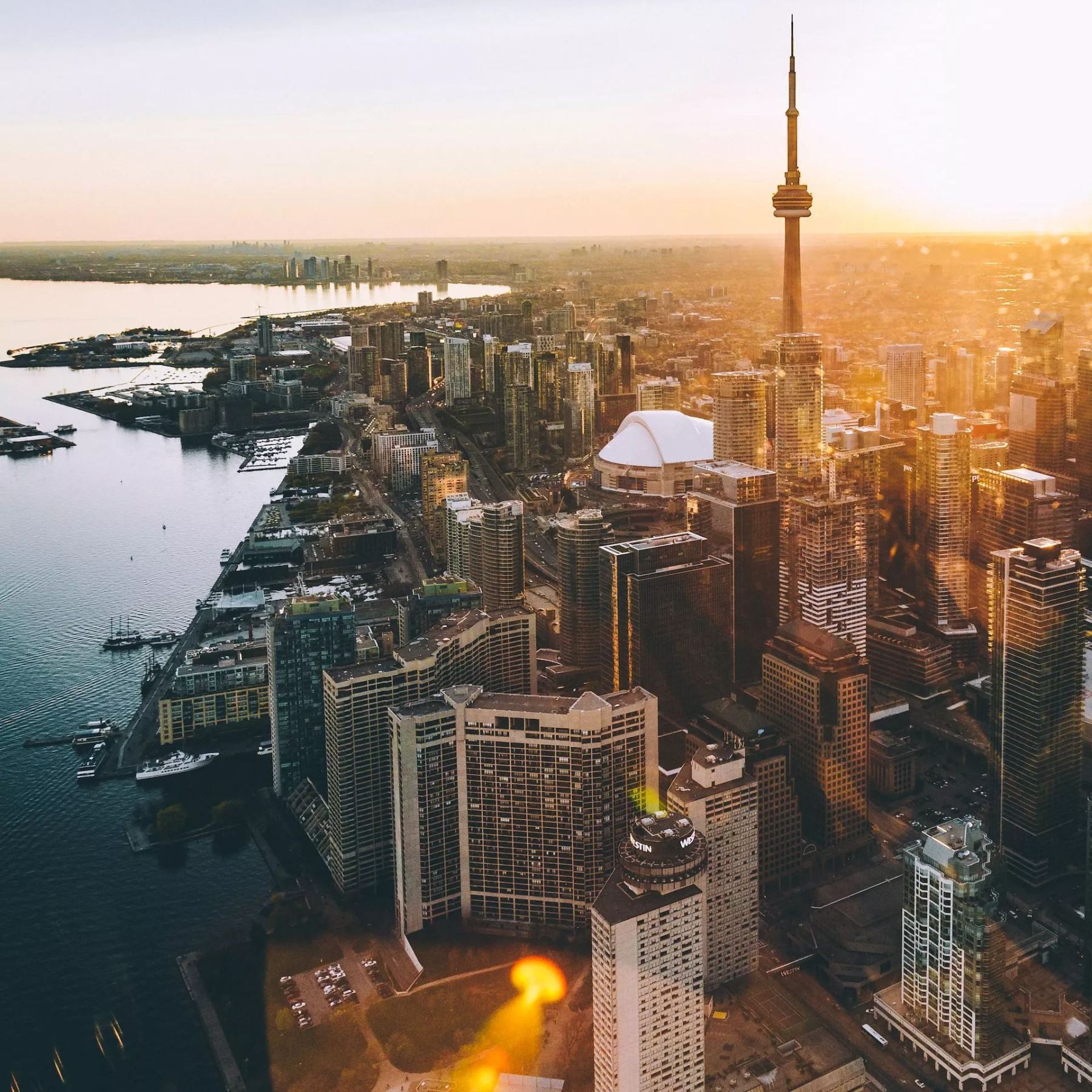
Toronto has plenty of landmarks. The CN Tower is still the one you'll recognize immediately. It has been part of the Toronto skyline since 1976 and was once the world's tallest freestanding structure.
For most visitors, the observation levels are enough. Then there are people who look at a 116-storey building and think: “Can I walk around the outside?” Apparently, yes. That's EdgeWalk. You're secured by a harness while walking around the outside edge of the Tower's main pod. The CN Tower describes it as the world's highest hands-free external walk on a building. For everyone else: The glass is fine. The view is still very good.
9. Toronto, Vancouver, Montreal, and Quebec City Don't Feel the Same
One mistake first-time visitors can make is thinking of Canadian cities as interchangeable. They're not.
Toronto
Toronto is Canada's largest city and one of its most multicultural. More than half of the city's population was born overseas, according to the City of Toronto. It's a good place for food, museums, neighborhoods, sports, concerts, and, obviously, the CN Tower. Just give yourself time. Toronto is bigger than it looks on a tourist map.
Vancouver
Vancouver is what happens when you can't decide between a city vacation and an outdoor vacation. You can have lunch downtown. Walk through Stanley Park. Look at the mountains. And then look the other way and see the Pacific. The ocean-and-mountains combination is hard to beat.
Montreal
Montreal has a completely different feel. French is everywhere. The food scene is strong. The neighborhoods have their own personalities. If you want something that feels a little more European without leaving Canada, Montreal is an easy choice.
Quebec City
Old Quebec is the one for historic streets. Don't rush it. Walk around. Look at the buildings. Get lost for a while. Here, the streets themselves are part of the attraction.
10. The Road Trip Is Part of the Trip
Here's something you learn pretty quickly in Canada: The distances are serious. A route that looks manageable on a map can become a full day once you add fuel, food, traffic, weather, construction, viewpoints, and the inevitable: “Let's stop here for five minutes.” Those five minutes rarely stay five minutes.
That's why road trips work so well here. You're not just driving from one attraction to another. The drive is part of the experience. The Icefields Parkway between Banff and Jasper is the obvious example. Mountains. Lakes. Glaciers. Wildlife.
Sometimes the road itself ends up being more memorable than whatever you planned to see at the other end. Just don't build your itinerary like Canada is the size of a small European country. Leaving Toronto in the morning and casually arriving in Vancouver that evening isn't happening. Plan for the distances. Your itinerary will be much happier.
Where to next?
Drive Across Borders, Seamlessly
Huge distances demand uninterrupted connection. Whether you're crossing from Vancouver into the US or driving coast-to-coast, stay connected across borders with ByteSIM without ever swapping a physical SIM card.


Instant delivery • Easy setup • 24/7 support
Before you fly, deal with the boring things. Five minutes now can save you a much bigger headache later.
| Before You Go | What to Prepare |
|---|---|
| 🧥 Clothing | Pack layers. Mountain weather can change quickly. |
| 🛂 Entry Documents | Check whether you need an eTA or visitor visa. |
| 📱 Mobile Data | Set up your Canada eSIM before departure. |
| 🗺️ Maps | Download offline maps for long drives and remote areas. |
| 🔋 Battery | Bring a power bank, especially for hiking and winter trips. |
| 💳 Payments | Bring an international card and keep some Canadian dollars available. |
| 🚗 Driving | Check road conditions, fuel stops, parking rules, and seasonal closures. |
| 🌦️ Weather | Check the forecast for each destination, not just your arrival city. |
Check Your Canada Entry Requirements
Don't assume the rules are the same for everyone. Your requirements depend on your nationality, travel document, and how you're entering Canada. Most travelers need either an eTA or a visitor visa, not both. For eligible visa-exempt travelers flying to Canada, an eTA currently costs CAN$7.
There are also specific rules for some travelers from visa-required countries. And here's the part people sometimes miss: How you enter Canada matters. Flying from overseas isn't the same as crossing from the United States by car, train, bus, or boat. Check your individual requirements on the official Government of Canada website before booking the trip.
Frequently Asked Questions
What food is Canada most famous for?
Let’s be real—it’s Poutine and Maple Syrup. You haven't truly been to Canada until you’ve eaten a concerning amount of fries smothered in cheese curds and hot gravy. As for maple syrup, Quebec is the undisputed king (they produce over 90% of the country's stash).
But don't stop there. If you have a sweet tooth, make it your mission to track down a BeaverTail (a massive, flat fried pastry), grab a butter tart at a local bakery, or hunt for a Nanaimo bar.
What is Canada well known for globally?
On the postcard? The Rocky Mountains, Niagara Falls, moose, and guys missing teeth playing hockey.
In reality? It’s the sheer, mind-boggling scale of the place. Canada is famous for endless wilderness, winters that will test your will to live, and massive, highly multicultural cities. It is a country defined by huge distances.
What is Canada famous for besides nature?
Hockey is practically a religion here, so that's the obvious answer. But beyond the ice rinks and mountains, it’s the city culture. Toronto feels like a cleaner New York, Montreal gives you a slice of Europe without crossing the Atlantic, and Vancouver is where you go to hike in the morning and eat world-class sushi at night. Add in a deep Indigenous heritage and a massive export of pop culture, and you get a lot more than just bears and trees.
Is Canada expensive to travel to?
Short answer: Yes. Long answer: Absolutely yes, especially if you hit popular spots like Banff or Toronto in mid-July.
You aren't just paying for expensive hotels. Renting a car, filling it with gas, and eating out will drain your budget fast.
Here is a hidden cost that catches everyone off guard: Mobile Data. Canada has some of the highest telecom rates on the planet. Paying your home carrier for daily roaming is a scam. Before you board your flight, compare local travel eSIMs. Grabbing a digital data plan will literally save you hundreds of dollars on a two-week trip.
What is the best time to visit Canada?
That completely depends on what kind of trip you want.
- Want road trips, hiking, and patio beers? Go from June to August. (Just be prepared for peak crowds and higher prices).
- Want stunning autumn colors and fewer tourists? September and October are magic, especially out East in Quebec and Ontario.
- Want waist-deep powder for skiing? Look at December through March.
- Chasing the Northern Lights? That’s about heading far north and tracking solar activity, not just picking the absolute freezing-coldest month.
Do I need an eTA or visitor visa for Canada?
Do not leave this until you are standing at the airport check-in counter. Depending on your passport, you generally need either an eTA (Electronic Travel Authorization) or a traditional Visitor Visa. You don’t need both.
If you are from a visa-exempt country (like the US, UK, or much of Europe) and you are flying in, you need an eTA. It costs a few bucks and takes minutes online. But immigration rules change, so double-check the official Government of Canada website before you book your flights.
Is Canada good for a road trip?
Yes. Very much yes. It is arguably one of the best countries on earth for it.
But here is the golden rule: Do not underestimate the distances. Looking at a map of Canada is deceiving. What looks like a "quick drive to the next town" can easily be a four-hour trek through mountains with zero cell service. Here, driving isn’t just getting from A to B; it is the trip. Buffer your itinerary for weather changes, random highway construction, stopping for photos, and waiting for wildlife to get off the road. You’ll need the extra time.
Final Thoughts
So, what is Canada famous for? Maple syrup? Hockey? The occasional “sorry”? Sure. But that's not really the full answer.
The better answer is the combination: it's the turquoise water in the Rockies, getting soaked at Niagara Falls, eating poutine after walking around Montreal, standing outside in the dark waiting for the Northern Lights, and driving for hours realizing the view outside the window has become the best part of the day.
Canada isn't just one landmark or food—it's the scale of the place, the cities, the wilderness, and the fact that you can have completely different trips depending on which direction you drive.
Pack layers. Download your maps. Check your entry requirements. Set up your mobile data before you leave. Then go.
Comment