
Every autumn, Berlin's iconic landmarks and city streets come alive with colorful illuminations, projections, and light art during the Berlin Festival of Lights. In 2026, the festival will take place from October 9 to 18, with "Colours of Love" as its theme.
Since the festival takes place across multiple locations rather than at one venue, knowing where to go and how to plan your route can make your evening much easier. This guide covers the key Festival of Lights locations, recommended routes, special experiences, and practical information to help you explore Berlin after dark and stay connected along the way.
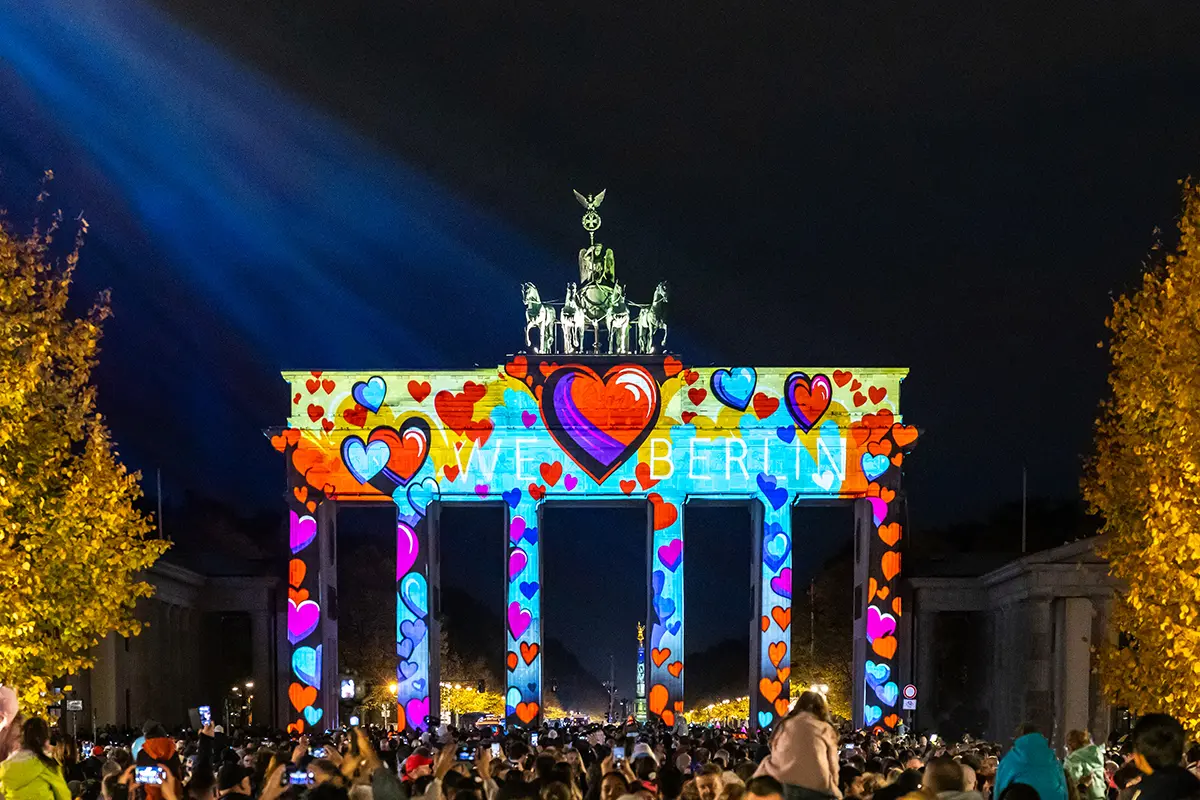 Source: Festival of Lights Berlin, Official Programme 2026
What Is Berlin Festival of Lights?
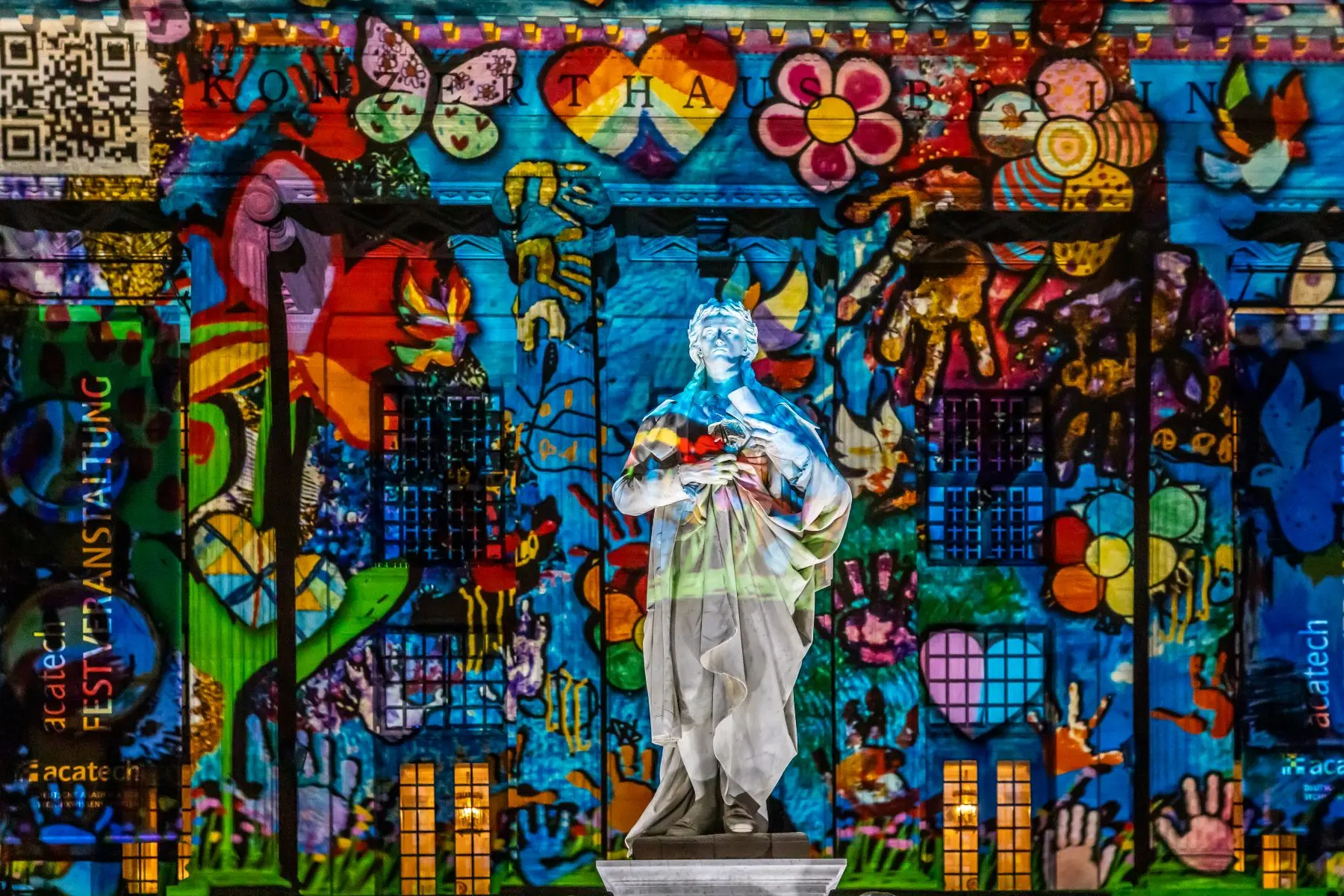
The Berlin Festival of Lights is an annual light art festival that transforms Berlin's landmarks, historic buildings, and public spaces with colorful illuminations, projections, and creative light installations. Rather than taking place at a single venue, the festival spreads across different parts of the city, allowing visitors to combine light art with evening sightseeing.
Beyond visual entertainment, many installations use light, video, and storytelling to explore cultural, social, and contemporary themes. Since its launch in 2005, the festival has grown into an internationally recognized event that brings together artists, designers, and creative teams from around the world. For travelers, it offers a unique way to experience Berlin's landmarks while discovering different artistic perspectives on the city and the world around it.
 Source: Festival of Lights Berlin, Official Programme 2026
When Is Berlin Festival of Lights 2026?
The Berlin Festival of Lights 2026 will run from October 9 to 18, 2026, with "Colours of Love" as this year's theme. Over 10 evenings, illuminated landmarks and public spaces across Berlin will offer visitors a different way to experience the city after dark.
| Key Information | Details |
|---|---|
| Dates | October 9–18, 2026 |
| Theme | Colours of Love |
| Edition | 22nd |
| Main format | Outdoor light art and projections |
| City | Berlin, Germany |
| Typical lighting hours | Around 7 PM–11 PM |
| Main admission | Free |
The festival takes place in the evening, making it easy to combine the light installations with dinner or other nighttime activities in Berlin. Since exact lighting hours can vary between locations, check the official programme before heading out to make sure your chosen installations are illuminated when you arrive.
 Source: Festival of Lights Berlin, Official Programme 2026
Where to See Berlin Festival of Lights 2026
One of the highlights of the Berlin Festival of Lights is that the city itself becomes the stage. Instead of staying at one festival venue, visitors can explore illuminated landmarks, historic buildings, and modern architecture across different parts of Berlin.
The 2026 programme includes many of Berlin's most recognizable landmarks. Here are some key locations to consider when planning your Festival of Lights route:
| Location | What to Expect |
|---|---|
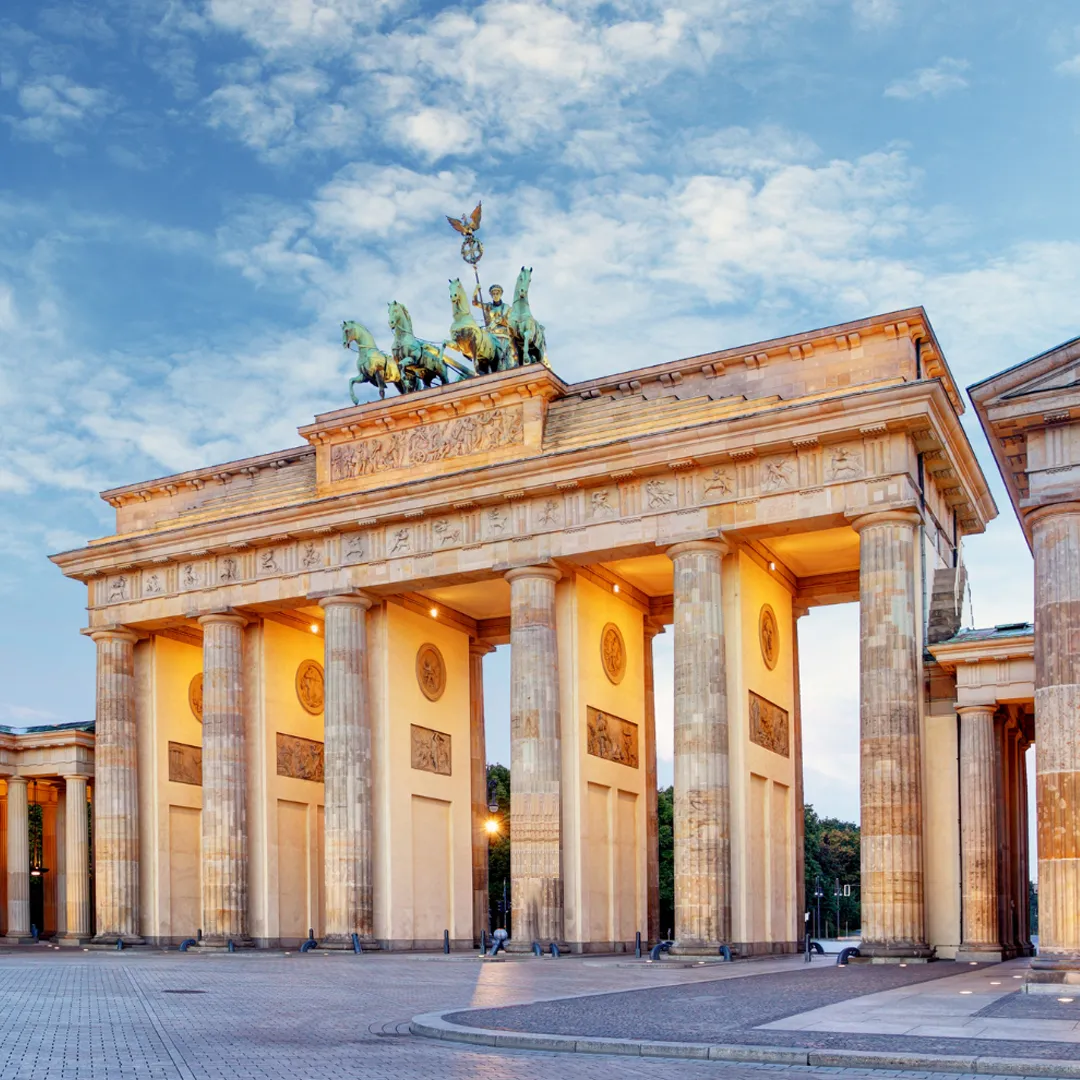
| Brandenburg Gate | One of Berlin's most iconic landmarks and a popular spot for light projections |
| Berlin Cathedral | Historic architecture illuminated with large-scale light art |
| Berlin TV Tower | A distinctive Berlin landmark that stands out in the city's night skyline |
| Nikolai Quarter | Historic streets and buildings that create a more atmospheric setting |
| Humboldt University | Historic architecture along Unter den Linden |
| State Opera | A major cultural landmark in the heart of central Berlin |
| Potsdamer Platz | Modern architecture and multiple illuminated installations |
| Kollhoff-Tower | A striking high-rise forming part of the Potsdamer Platz skyline |
| Victory Column | An iconic monument surrounded by the greenery of Tiergarten |
| Oberbaum Bridge | A well-known Berlin bridge offering a different urban backdrop for light art |
Beyond the Main Outdoor Programme
The Festival of Lights offers more than illuminated landmarks around the city. Visitors can also explore two additional experiences during the 2026 festival:
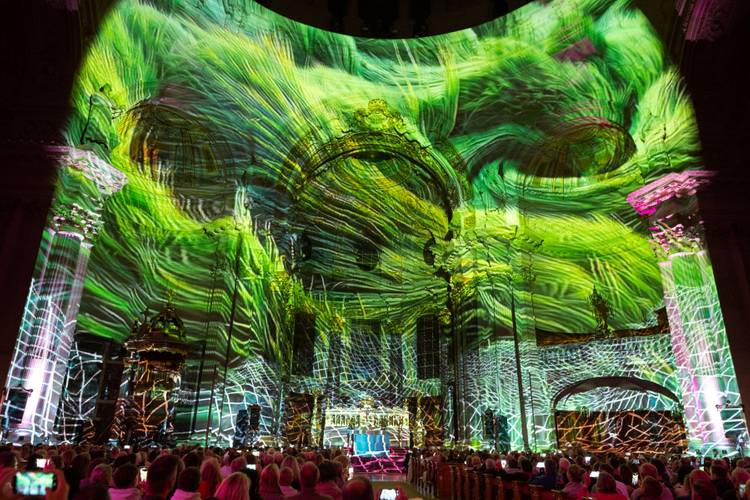
- Festival of Lights in Concert: A special event combining 3D light projections with live electronic music at Berlin Cathedral, running from October 13 to 17, 2026. It is a good option for visitors who want to experience the festival alongside live music.
 Source:The Official Website of Berlin
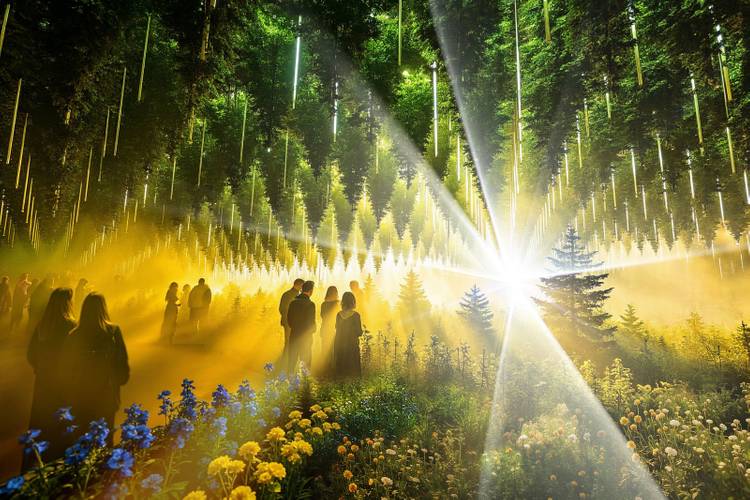
- Festival of Lights Gallery: An indoor light art experience that offers a different setting from the festival's outdoor installations and can be a good choice when you want to explore light art beyond Berlin's streets.
 Source:The Official Website of Berlin
These experiences may have their own schedules and ticket requirements, so check the official programme before visiting.
Best Berlin Festival of Lights Routes
Since the Festival of Lights takes place across different parts of Berlin, planning a route can help you see several illuminated landmarks without spending too much time traveling between them. You don't need to visit every location in one evening—instead, choose a route based on the type of experience you want.
Route 1: Classic Berlin Highlights
Berlin TV Tower → Nikolai Quarter → Berlin Cathedral → Bebelplatz → Brandenburg Gate
This route takes you through some of central Berlin's most recognizable landmarks and works well if this is your first time attending the Festival of Lights.
📍 Route 1: Classic Berlin Highlights
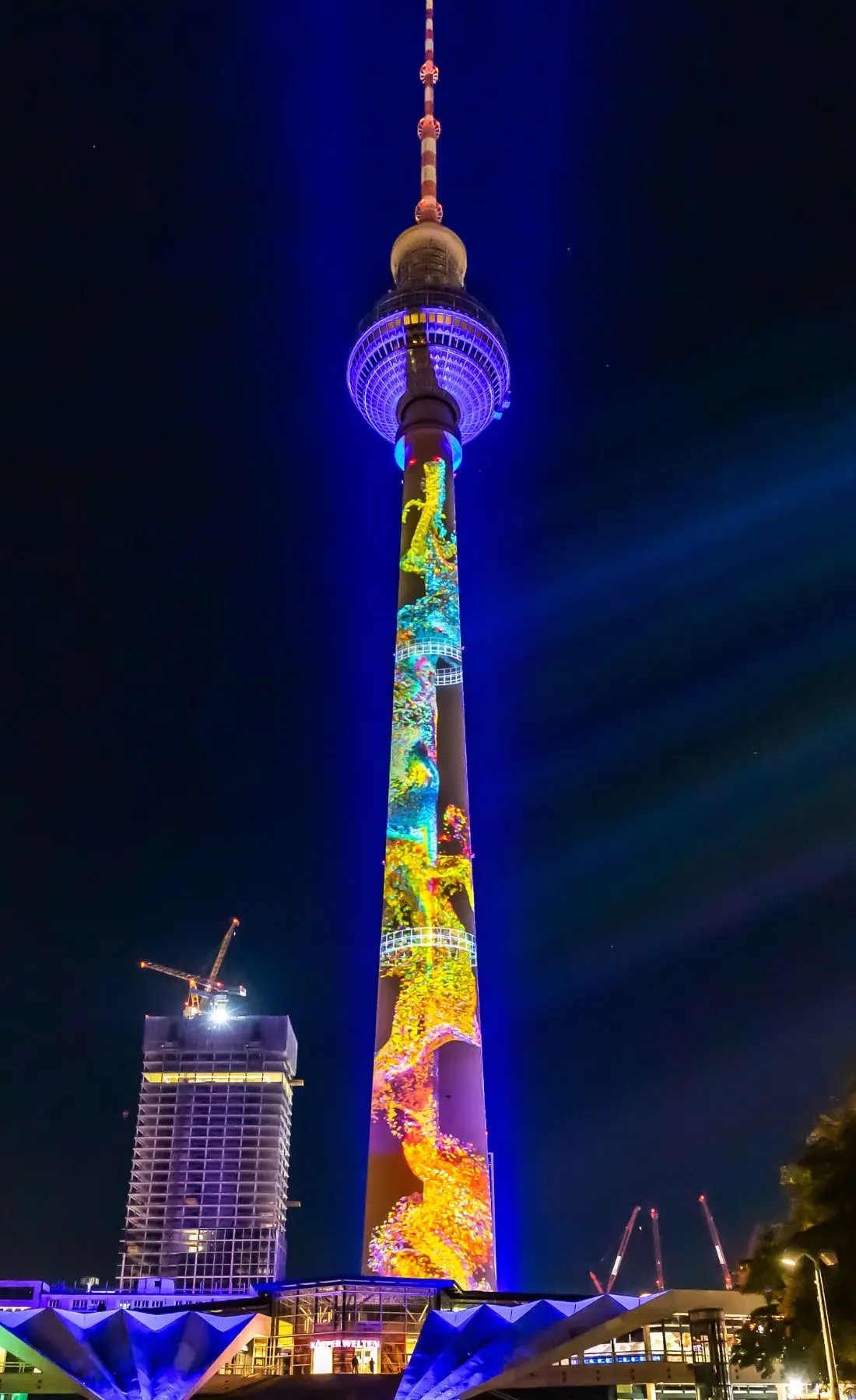
Berlin TV Tower
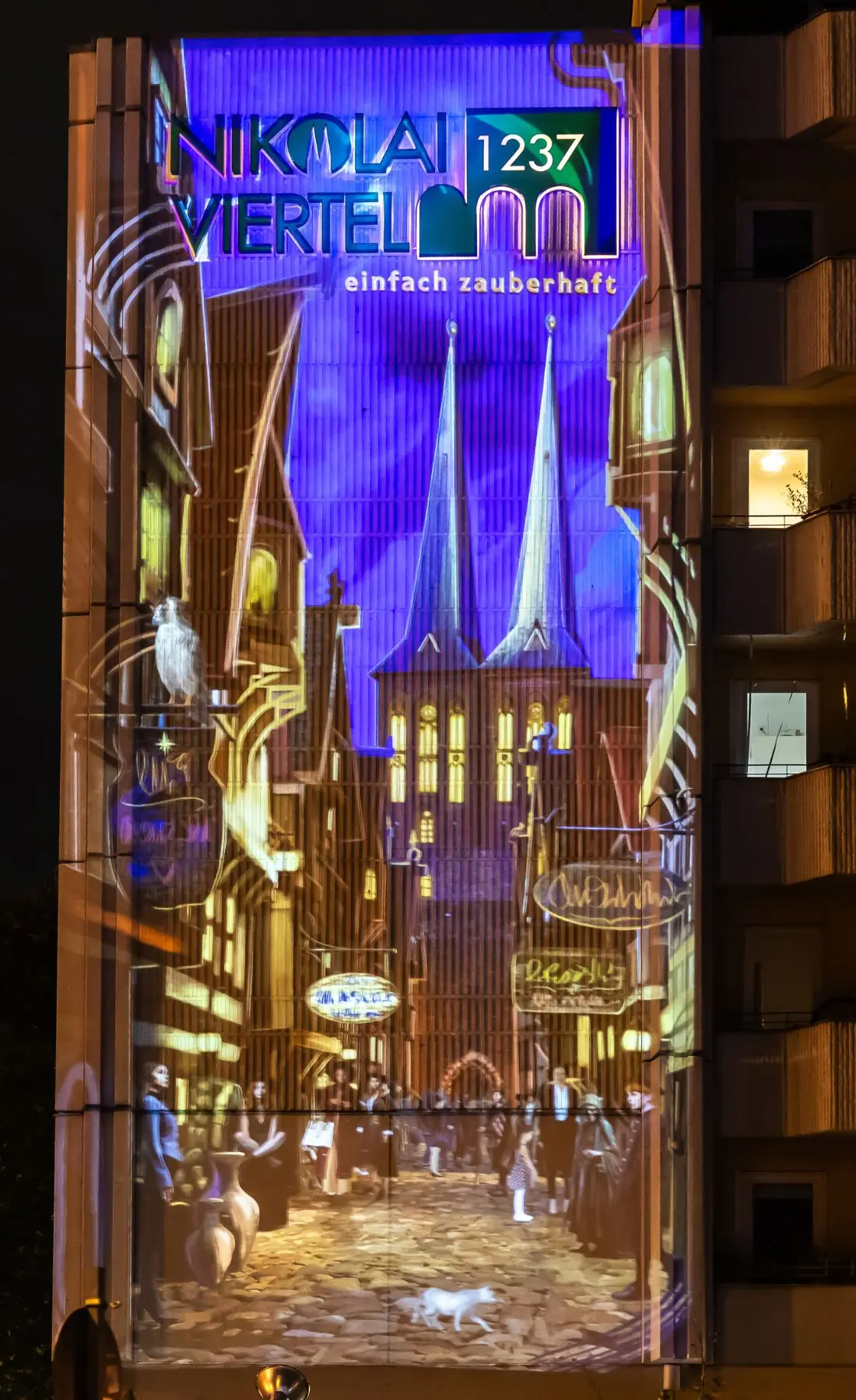
Nikolai Quarter
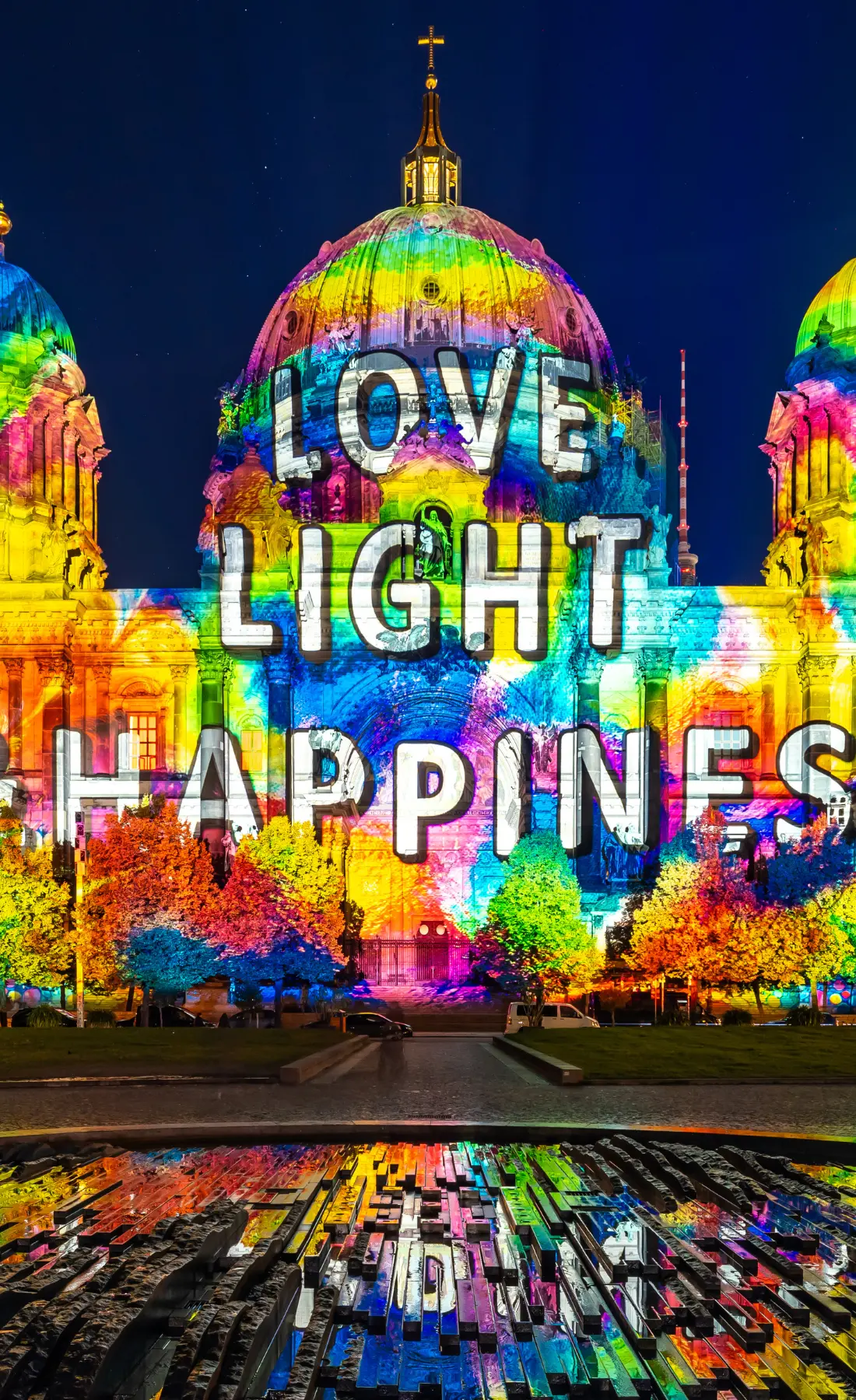
Berlin Cathedral
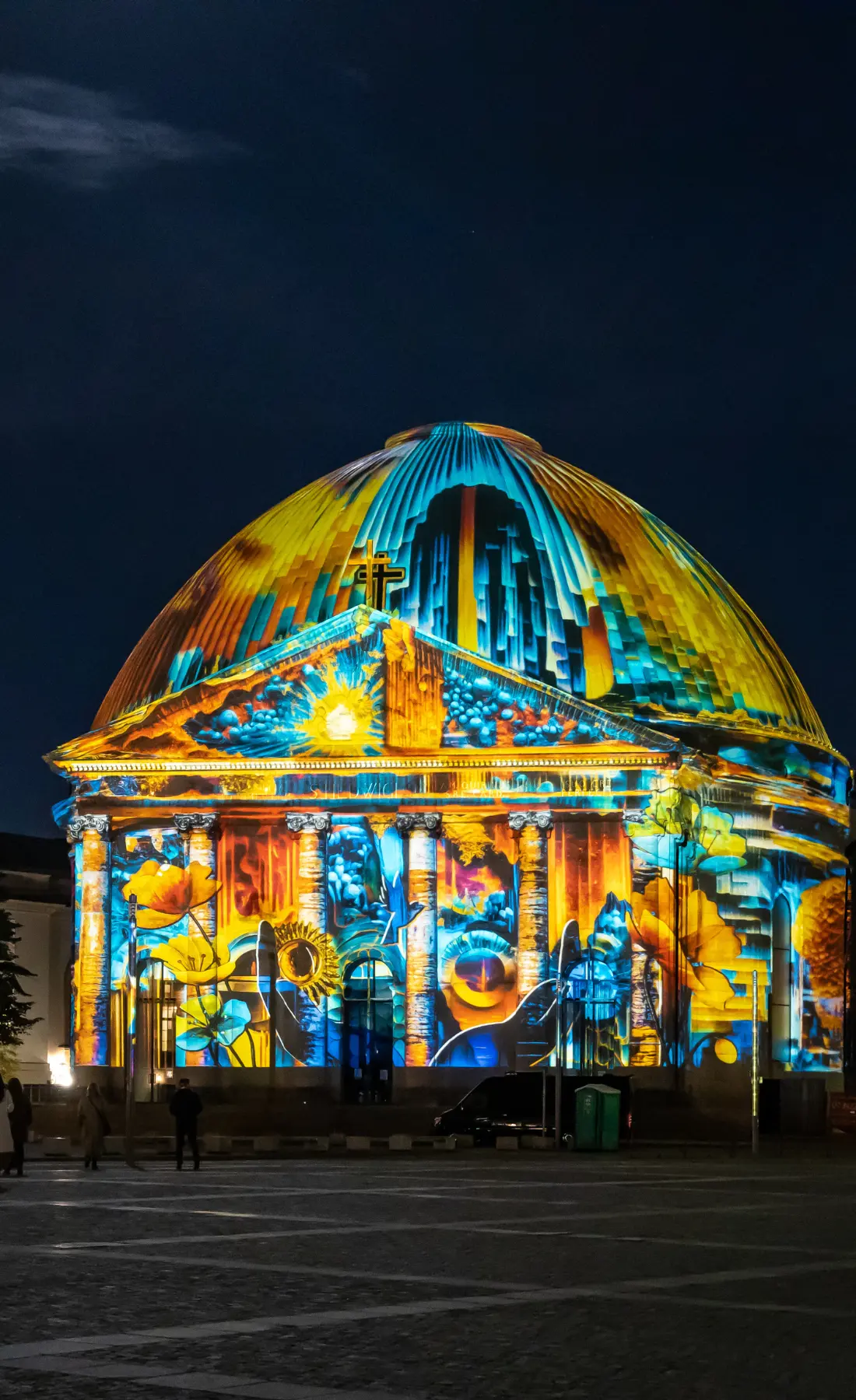
Bebelplatz Area
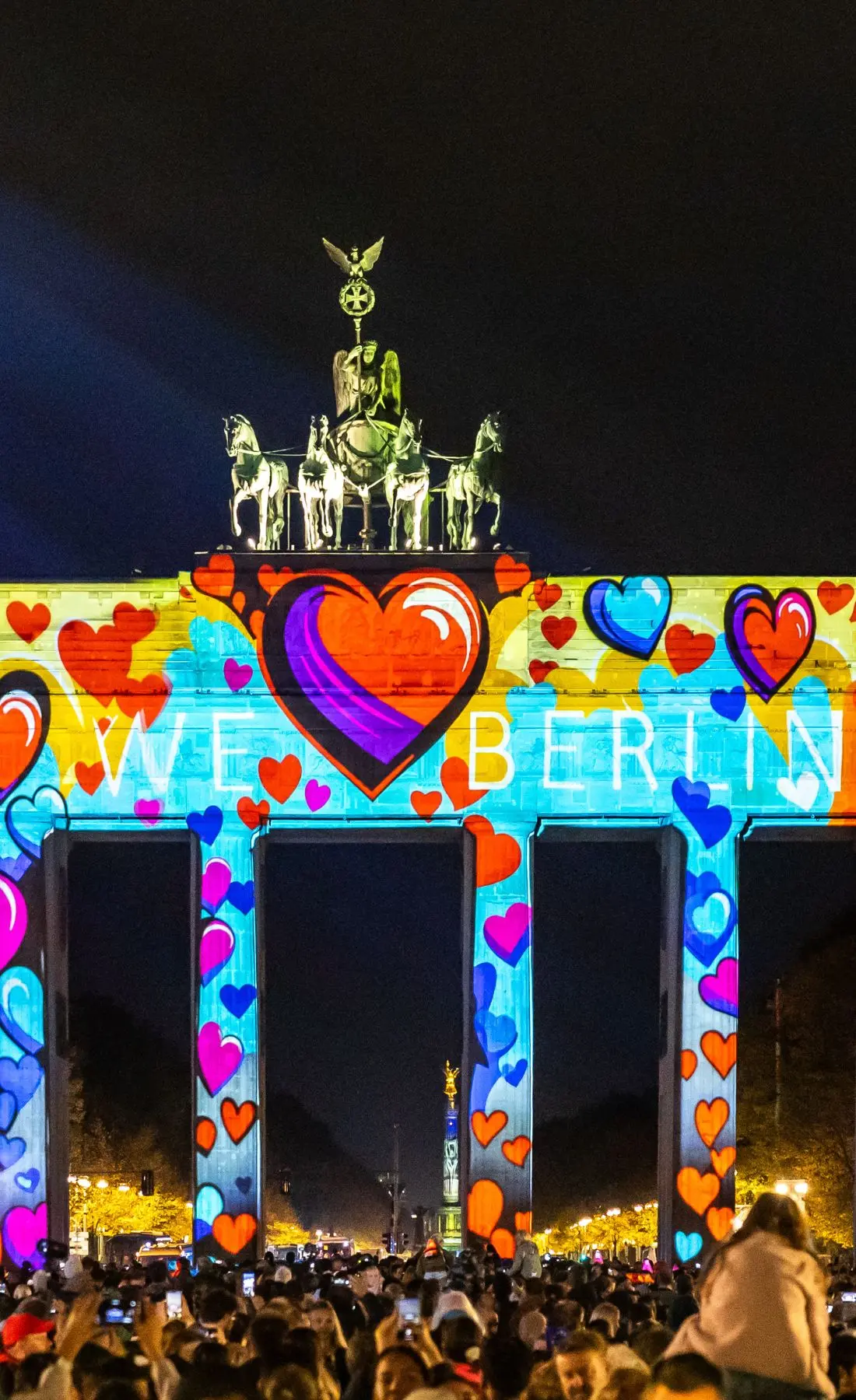
Brandenburg Gate ★
Stop 1: Berlin TV Tower
Start around Alexanderplatz and take in the illuminated Berlin TV Tower. Its distinctive silhouette makes it an easy landmark to spot and a strong starting point for an evening route.
Stop 2: Nikolai Quarter
Walk toward the historic Nikolai Quarter, where illuminated buildings and smaller streets offer a more intimate atmosphere than Berlin's major landmarks.
Stop 3: Berlin Cathedral
Continue toward Berlin Cathedral and explore the surrounding Museum Island area. The cathedral is also one of the festival's notable locations and can be a highlight of the route.
Stop 4: Bebelplatz Area
Head west along Unter den Linden to Bebelplatz, where several historic buildings and cultural landmarks are located close together, including the State Opera and Humboldt University.
Stop 5: Brandenburg Gate
Finish at Brandenburg Gate, one of Berlin's most recognizable landmarks and a natural final stop for photos before heading to your next activity or back to your hotel.
Best for: First-time visitors, classic Berlin sightseeing, and travelers who want to combine several historic landmarks in one evening.
Route 2: Modern Berlin & Potsdamer Platz
Potsdamer Platz → Kollhoff-Tower → Forum Tower → Brandenburg Gate
This shorter route is ideal if you want to focus on modern architecture, urban night views, and photography without spending the entire evening traveling between locations.
📍 Route 2: Modern Berlin & Potsdamer Platz
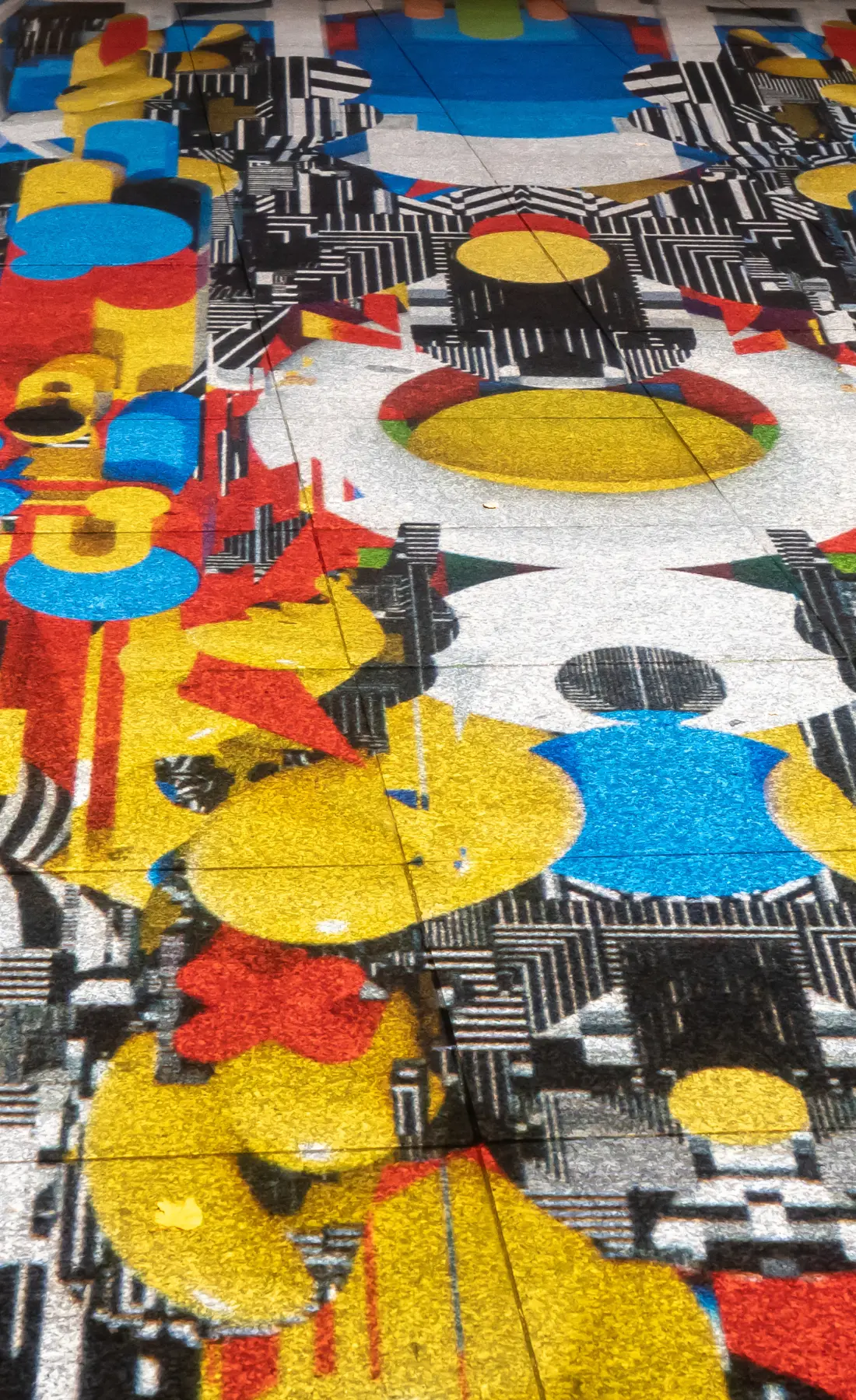
Potsdamer Platz
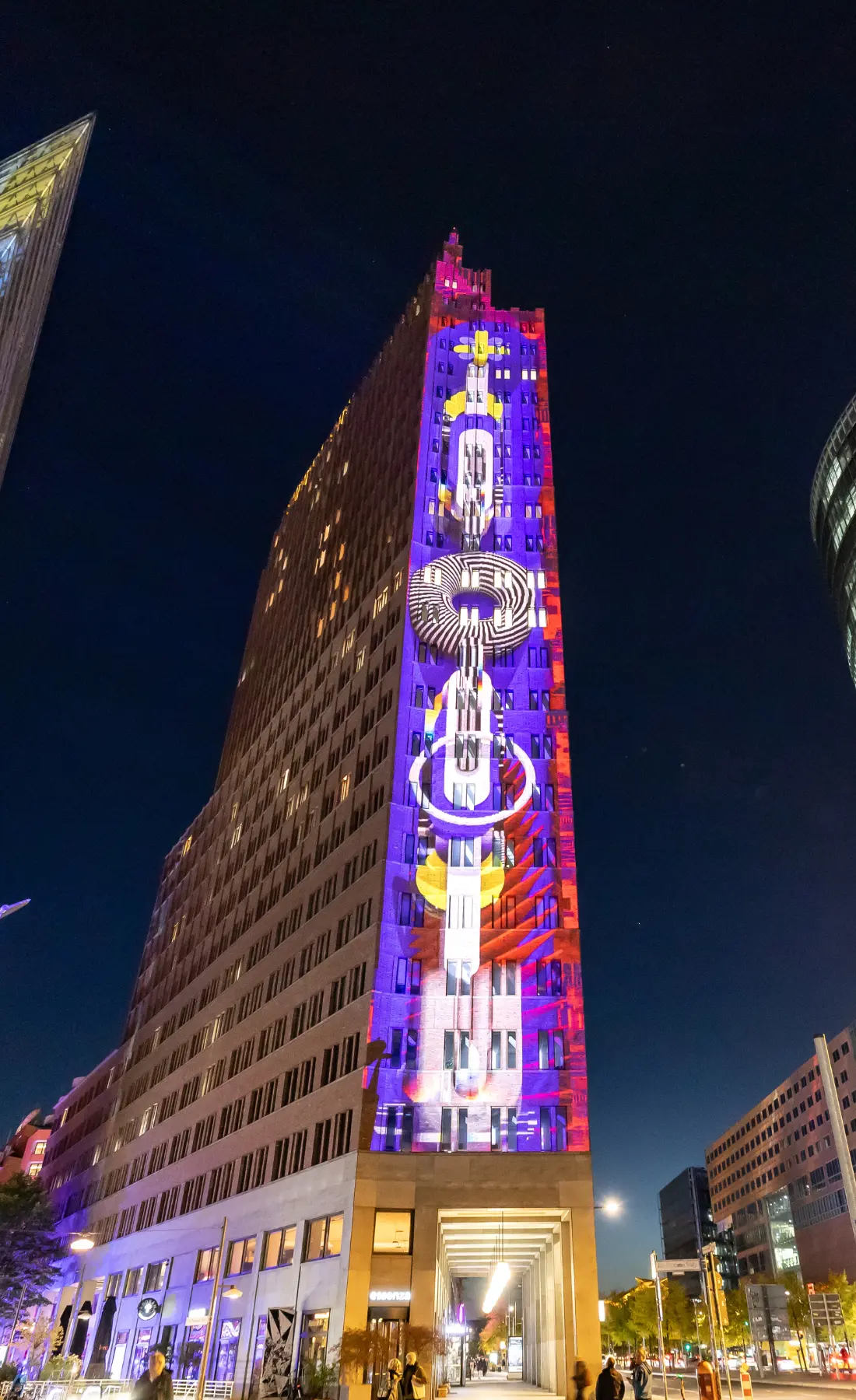
Kollhoff-Tower
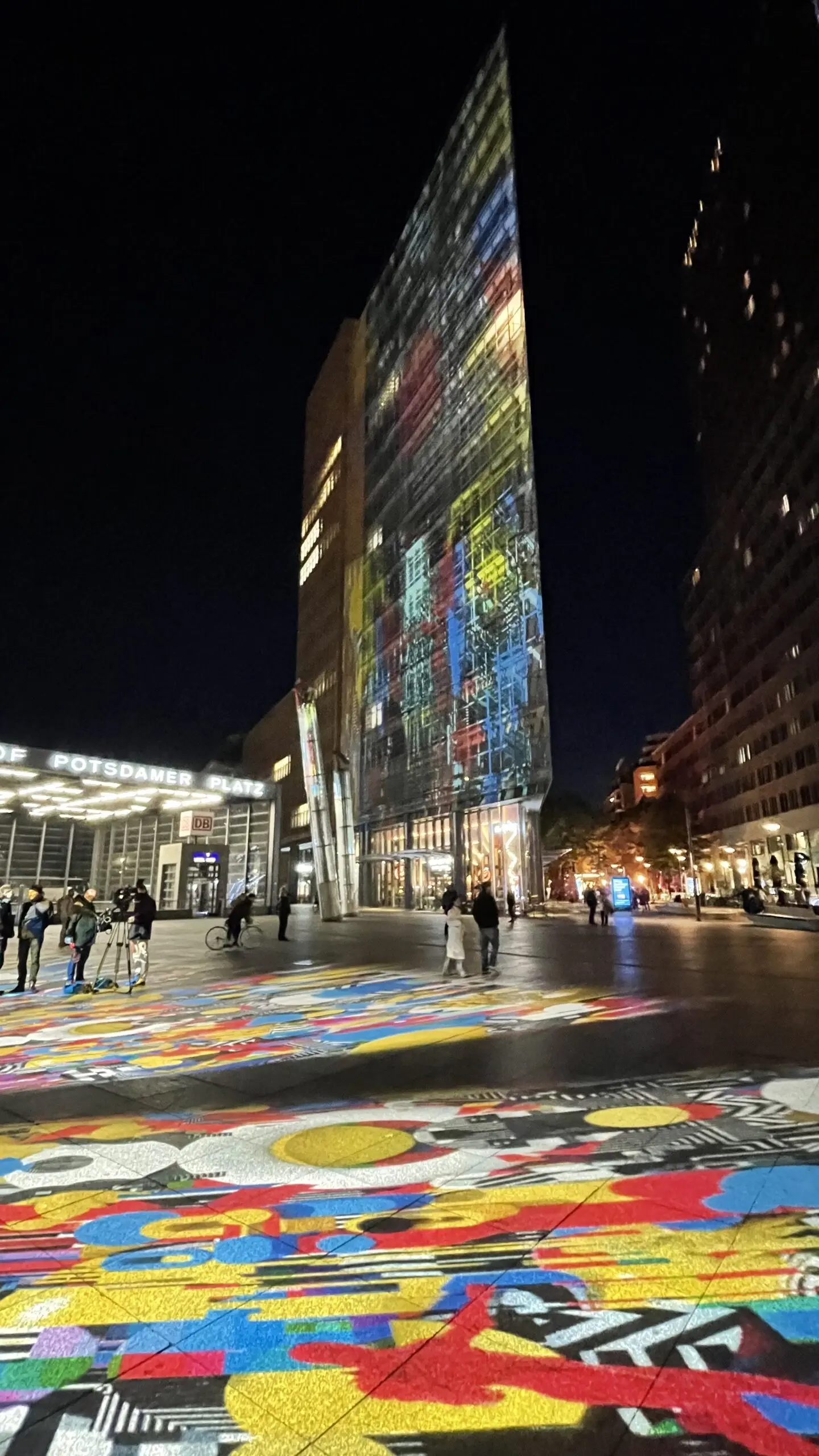
Forum Tower
Brandenburg Gate ★
Stop 1: Potsdamer Platz
Begin at Potsdamer Platz, a major modern hub surrounded by high-rise buildings, entertainment venues, and Festival of Lights installations.
Stop 2: Kollhoff-Tower
Continue to Kollhoff-Tower and explore the surrounding architecture and illuminated installations. The concentrated location makes it easy to move between nearby stops on foot.
Stop 3: Forum Tower
Walk to Forum Tower for another modern architectural setting and a different perspective on Berlin's illuminated skyline.
Stop 4: Brandenburg Gate
If you still have time, walk toward Brandenburg Gate to finish the evening with one of Berlin's most iconic historic landmarks.
Best for: Photography, modern architecture, shorter itineraries, and visitors who want to see several installations with minimal travel time.
Whichever route you choose, check the official Festival of Lights programme before setting out, as participating locations and lighting schedules may be updated for the 2026 festival.
Why You Need Mobile Data at Berlin Festival of Lights
Exploring the Festival of Lights often means moving between different parts of Berlin throughout the evening. Having reliable mobile data can make it easier to navigate between installations, check updated information, and stay connected while you're out exploring.
Navigate Between Light Installations
Since the festival takes place across multiple landmarks, you may need to use Google Maps or another navigation app to find your next stop. Mobile data lets you check walking directions and adjust your route without relying on public Wi-Fi.
Check Public Transportation
If your route involves the U-Bahn, S-Bahn, or bus, you can use mobile data to check connections, departure times, and alternative routes. This is especially useful when you decide to visit an additional location or change your plans during the evening.
Stay Updated on Festival Information
Festival programmes, participating locations, and lighting schedules can change. With mobile data, you can quickly check the official Festival of Lights website or other reliable sources while you're on the move.
Share Photos and Videos
The Festival of Lights is a highly visual event, so you'll probably want to share photos, videos, or social media updates along the way. A reliable connection makes it easier to send messages, upload content, and stay in touch with friends without having to search for Wi-Fi.
Stay Connected in Berlin with ByteSIM
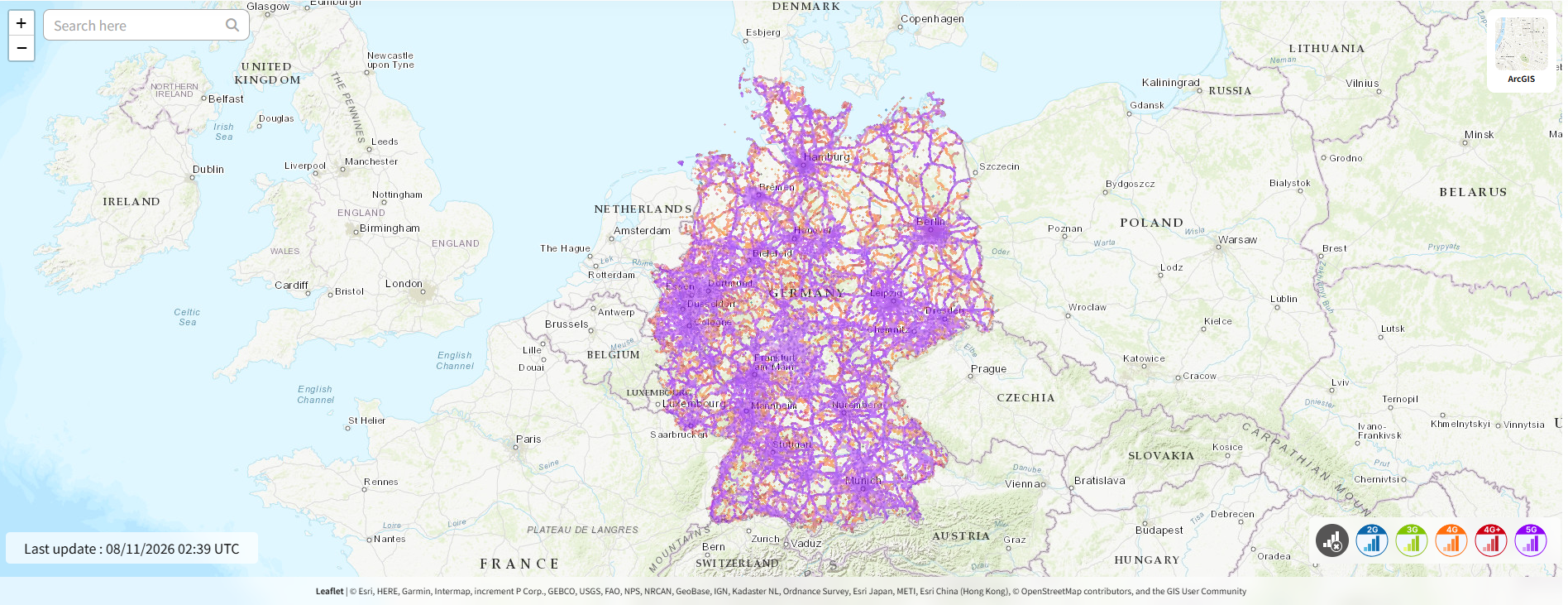
For travelers attending the Berlin Festival of Lights, having reliable mobile data can make it easier to move between illuminated landmarks, check public transportation, and stay connected throughout the evening. ByteSIM's Germany eSIM uses the O2 network and supports 5G/4G LTE, providing mobile connectivity across Berlin and other destinations throughout Germany.
Fast and Reliable Connectivity with O2
ByteSIM's Germany eSIM is powered by O2, with extensive nationwide coverage and 5G/4G LTE connectivity where available. This makes it suitable for everyday travel needs such as navigation, checking transit routes, browsing the Festival of Lights programme, and sharing photos and videos while exploring Berlin.
Flexible Plans for Different Travel Needs
The Germany eSIM offers Daily, Total Data, and Unlimited Data options, with service periods ranging from 1 to 30 days. You can choose a plan based on how much data you expect to use during your trip. Daily and Total Data plans provide high-speed 5G/4G LTE data within the selected allowance and continue with unlimited data at 128kbps after the high-speed quota is used.
Share Your Connection with Hotspot
All ByteSIM Germany plans support hotspot and tethering, allowing you to share your connection with a travel companion, laptop, tablet, or another device. This can be particularly useful when traveling as a group and navigating between different Festival of Lights locations.
Install Before Your Trip and Connect on Arrival
ByteSIM delivers the eSIM digitally by email and through the ByteSIM App. Before your trip, make sure your phone is eSIM-compatible and carrier-unlocked, then install the eSIM while connected to stable Wi-Fi.
When you arrive in Germany, enable the ByteSIM line, turn on data roaming, and connect to the supported network. Most plans activate when the eSIM first connects at the destination, so you can prepare your eSIM before departure without typically starting the plan early.
Planning your Berlin Festival of Lights trip?
Check your device compatibility and choose a Germany eSIM plan that fits your travel needs with ByteSIM.
Shop ByteSIM Germany eSIM →FAQs
Do I need to book tickets for the Festival of Lights?
You generally don't need a ticket to visit the main outdoor light installations. However, some special events and indoor experiences may require advance tickets. Check the official programme for individual event requirements.
Is the Festival of Lights suitable for families?
Yes. The outdoor installations are spread throughout public areas, making the festival suitable for visitors of different ages. Families can also choose a shorter route and focus on several nearby locations rather than trying to see the entire programme in one evening.
Is the Berlin Festival of Lights good for photography?
Absolutely. The combination of illuminated landmarks, projections, and Berlin's nighttime cityscape creates plenty of opportunities for photography. A tripod can be useful for night shots, while a fully charged phone or camera battery is recommended if you plan to take a lot of photos and videos.
What should I bring to the Festival of Lights?
Comfortable shoes are essential if you're planning to walk between multiple locations. You should also bring a portable charger, warm clothing, and a phone with enough battery for navigation and photography. Since the festival takes place outdoors in October, checking the weather before heading out is also a good idea.
How do I get around during the Festival of Lights?
Berlin's U-Bahn, S-Bahn, buses, and walking routes make it relatively easy to travel between festival locations. Using a navigation or public transportation app can help you check connections and adjust your route as you explore.
© 2026 Berlin Festival of Lights Guide — Explore Berlin after dark.