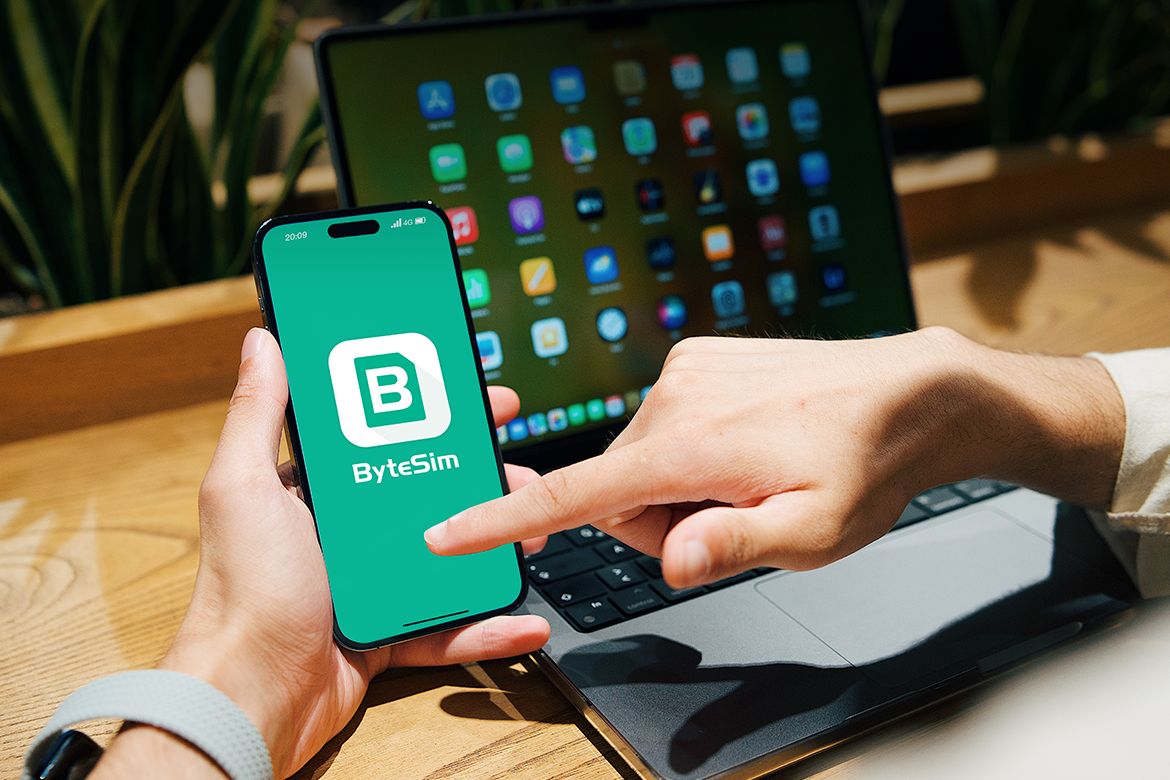

If you plan to livestream the 2026 World Cup from the stadium, a regular travel SIM may not be enough. Stadium networks get congested fast during matches, especially when thousands of fans are uploading TikTok videos, going live on Instagram, or streaming reactions in real time. For creators, upload speed and network stability matter far more than just having “unlimited data.”
In our tests, some eSIMs stayed stable even in crowded fan zones, while others slowed down heavily once the stadium filled up. That’s why choosing the right eSIM can directly affect your stream quality, latency, and whether your live broadcast stays online during key moments.
In this guide, we tested several popular travel eSIMs in real livestreaming scenarios during large sporting events. We also share the creator gear setup, stadium speed test results, and practical streaming tips for TikTok, YouTube, and IRL creators heading to the 2026 World Cup.

Our 2026 World Cup Livestream Setup
To simulate real World Cup livestream conditions, we tested our setup in crowded sports venues, public fan zones, subway stations, and high-traffic outdoor areas. The goal: find out which eSIMs could maintain a stable livestream during heavy network congestion. Instead of focusing only on download speed, we paid closer attention to:
- Upload speed consistency
- Ping stability
- Stream quality retention
- Connection drops during live broadcasts
Gear Checklist
- iPhone 15 Pro / Android flagship – Main livestream device
- Travel eSIM – Primary mobile data connection
- 20,000mAh power bank – Extended outdoor streaming
- Wireless lavalier mic – Clear voice in noisy stadiums
- Mini tripod or gimbal – Stable IRL walking streams
- Backup smartphone – Secondary hotspot and backup stream
Why This Setup Worked Well
- Easy to carry inside stadiums
- Fast to deploy before kickoff
- Reliable for mobile IRL streaming
- Minimal cable management during crowded events
Streaming Apps We Used
Most Stable During Testing:
- TikTok Live handled unstable connections surprisingly well
- YouTube Live required stronger upload speeds
- Instagram Live was the most sensitive to congestion spikes
Real Match-Day Data Usage
| Activity | Approximate Data Usage |
|---|---|
| 30‑min TikTok Live | 1–2 GB |
| 90‑min stadium livestream | 4–7 GB |
| YouTube IRL stream (1080P) | 6–10 GB |
| Uploading match clips & reels | 1–3 GB |
What We Learned:
- “Unlimited” plans may slow after heavy usage
- Uploading highlight clips consumes more data than expected
- Background cloud sync can drain data quickly
- Keeping a backup eSIM was extremely useful during congestion
Our Recommended Creator Setup: Main phone with a high-speed eSIM + backup eSIM on same device + large power bank + lightweight mic + manual bitrate adjustment. For multi‑country travel, a regional North America eSIM is far more convenient.
Real eSIM Speed Tests During the World Cup
Raw download speed does not tell the full story. In crowded stadium environments, upload stability determines whether your stream stays online. We tested popular travel eSIMs in high‑density areas similar to World Cup conditions.
Stadium Speed Test Results
| Location | Upload Speed | Ping | Streaming Stability |
|---|---|---|---|
| Inside crowded stadium | 8–22 Mbps | 35–70 ms | Moderate to stable |
| Fan zone | 12–35 Mbps | 28–55 ms | Stable |
| Subway/train | 3–12 Mbps | 50–120 ms | Unstable during movement |
| Hotel WiFi backup | 15–40 Mbps | 20–45 ms | Usually stable |
Key Takeaways:
- Stadium congestion affected upload speed more than download speed
- Upload speeds below 5 Mbps caused visible stream lag
- Ping spikes were common immediately before kickoff
- Fan zones often performed better than stadium interiors
Why Upload Speed Matters More Than Download Speed
For livestreaming, upload speed is far more important because your phone continuously sends video data to TikTok, YouTube, or Instagram servers.
Recommended Upload Speeds:
- 480P livestream: 3–5 Mbps
- 720P livestream: 5–10 Mbps
- 1080P livestream: 10–20 Mbps
During congestion, streams became blurry first, then audio desync, then full disconnects when upload speed dropped suddenly. TikTok recovered faster than YouTube during unstable moments.
Which eSIM Stayed Stable in Crowded Areas?
- ByteSIM delivered the most consistent upload speeds during crowded tests. Multi‑carrier switching helped maintain signal quality, and stream recovery after congestion was fastest.
- Holafly handled long sessions well, but some throttling appeared after extended high usage.
- Airalo worked well for lighter streaming but dropped more during peak congestion.
Real livestream experience: biggest slowdowns happen 30 minutes before kickoff, after goals, and at halftime. Starting the stream early and locking 5G before entering the crowd helped significantly.
Best eSIMs for World Cup Livestreaming
After testing multiple travel eSIMs, the most important factors were stable upload speeds, reliable coverage in crowded areas, minimal throttling, and fast recovery.
ByteSIM — Best Overall for Stadium Livestreaming
- What we liked: Stable upload speeds, good performance in fan zones, reliable 5G in major US cities, hotspot support, easy activation.
- Best for: TikTok creators, YouTube IRL streamers, sports vloggers focusing on USA matches.
Holafly — Best Unlimited Data Option
- Unlimited data suitable for long daily sessions, easy activation.
- Speeds occasionally slowed after heavy usage; upload consistency varied.
- Good for daily livestream creators who prioritize convenience.
Airalo — Best Budget Backup eSIM
- Affordable, fast setup, works reliably for casual livestreams and emergency backup.
- Upload speeds fluctuated more during crowded events, less reliable for long 1080P streams.
- Ideal as a secondary eSIM.
Nomad — Best for Multi‑Country World Cup Trips
- Flexible regional coverage, easy management, stable in urban areas.
- Performance varied by partner carrier, congestion handling average.
- Good for fans following matches across USA, Canada, Mexico.

Quick Comparison & Creator Choice
| eSIM | Best Feature | Best For |
|---|---|---|
| ByteSIM | Most stable livestream performance | Stadium creators / professionals |
| Holafly | Unlimited data | Heavy streamers |
| Airalo | Budget‑friendly backup | Casual creators |
| Nomad | Regional flexibility | Multi‑country travel |
- Choose ByteSIM if: you stream professionally, upload stability is critical, you plan to livestream inside US stadiums.
- Choose Holafly if: you need huge data volume.
- Choose Airalo as backup for short clips and stories.
- Choose Nomad for traveling across multiple host countries.
eSIM vs Pocket WiFi for World Cup Livestreaming
Both eSIMs and Pocket WiFi can work for livestreaming, but they perform very differently in crowded stadiums. Below is a breakdown of how each option compares for creators.
Why most creators prefer eSIM (Key advantages)
- No extra device to carry & charge – Reduces weight and eliminates battery anxiety.
- Faster setup before livestreaming – Activate data instantly, no pairing or hotspot configuration.
- Better portability inside crowded venues – Move through tight spaces without dangling devices.
- Dual‑eSIM backup on newer phones – Keep a secondary eSIM as fallback without extra hardware.
- Less battery drain compared to tethering – Your phone consumes less power when using its own cellular connection.
- Easier troubleshooting during congestion – No need to reboot a separate device.
When Pocket WiFi still makes sense
- Teams or multi‑device production – Connects multiple cameras, laptops, and phones at once.
- Laptop‑based streaming – Some workflows rely on PC broadcasting.
- Larger antennas may improve reception in very weak signal areas – Though modern phones usually match or beat pocket WiFi.
- Shared rental for a group – Can be cost‑effective if multiple people share one device.
What we observed in stadium tests
- eSIM generally performed better for walking streams, quick uploads, and TikTok Live.
- Pocket WiFi devices sometimes overheated during outdoor streaming.
- Tethering introduced extra latency compared to native eSIM data.
- Carrying fewer devices helped creators move faster through crowds.
Hybrid setup used by experienced creators
- Main livestream phone → high‑speed eSIM.
- Laptop or backup camera → Pocket WiFi (as backup).
- Backup phone → secondary eSIM.
- This reduces risk of total disconnects and improves flexibility during congestion spikes.
Our final recommendation for most World Cup creators: A high‑quality eSIM (like ByteSIM USA) offers the best balance of speed, convenience, and portability. Pocket WiFi is only necessary for complex multi‑device productions or team workflows.
5 Tips for Stable Stadium Livestreaming
- Test upload speed before going live – ensure at least 5–10 Mbps for 720P.
- Lower bitrate during congestion – switch from 1080P to 720P when crowds increase.
- Keep a backup eSIM installed – avoid relying on a single network during match peaks.
- Avoid stadium WiFi – mobile eSIM consistently outperformed public WiFi in tests.
- Carry a power bank – livestreaming drains battery much faster than normal usage.
Final Verdict: Which eSIM Should You Choose?
- TikTok Creators → ByteSIM USA (stable upload performance)
- IRL Streamers → ByteSIM USA (stability over raw speed)
- Budget Travelers → Airalo (affordable backup)
- Multi‑Country Fans → Nomad (regional coverage)
- Stability‑first: ByteSIM USA | Unlimited usage: Holafly | Backup plan: Airalo
FAQ
eSIM is usually more practical for creators because it can be activated instantly without physical cards, supports multi‑country switching, and avoids airport queues. Local SIM may offer slightly better local pricing but is less flexible for traveling creators.
5G generally provides lower latency and higher upload speeds, but in crowded stadiums a stable 4G connection can sometimes outperform unstable 5G. Consistency matters most.
1 hour TikTok Live (720P): ~2–4 GB; 90‑min IRL stream: ~4–8 GB; high‑quality YouTube livestream: up to 10GB+ per session. Always plan extra for uploads.
Network congestion during peak moments (kickoff, goals, halftime) affects upload stability more than download. A quality eSIM with local Tier‑1 carrier access reduces the risk.
© 2026 Creator Guide — tested under real stadium congestion scenarios.