
Is November a good time to visit Morocco? Yes. With milder daytime temperatures than in summer, November is a great time to explore Morocco's historic medinas, coastal towns, and desert landscapes without the intense summer heat. However, temperatures can drop significantly at night, and weather conditions vary across the country.
From wandering through Marrakech's bustling souks to exploring the Sahara Desert or admiring Chefchaouen's blue streets, November offers plenty of ways to experience Morocco. This guide covers the weather, the best places to visit, and practical travel tips to help you plan your trip.
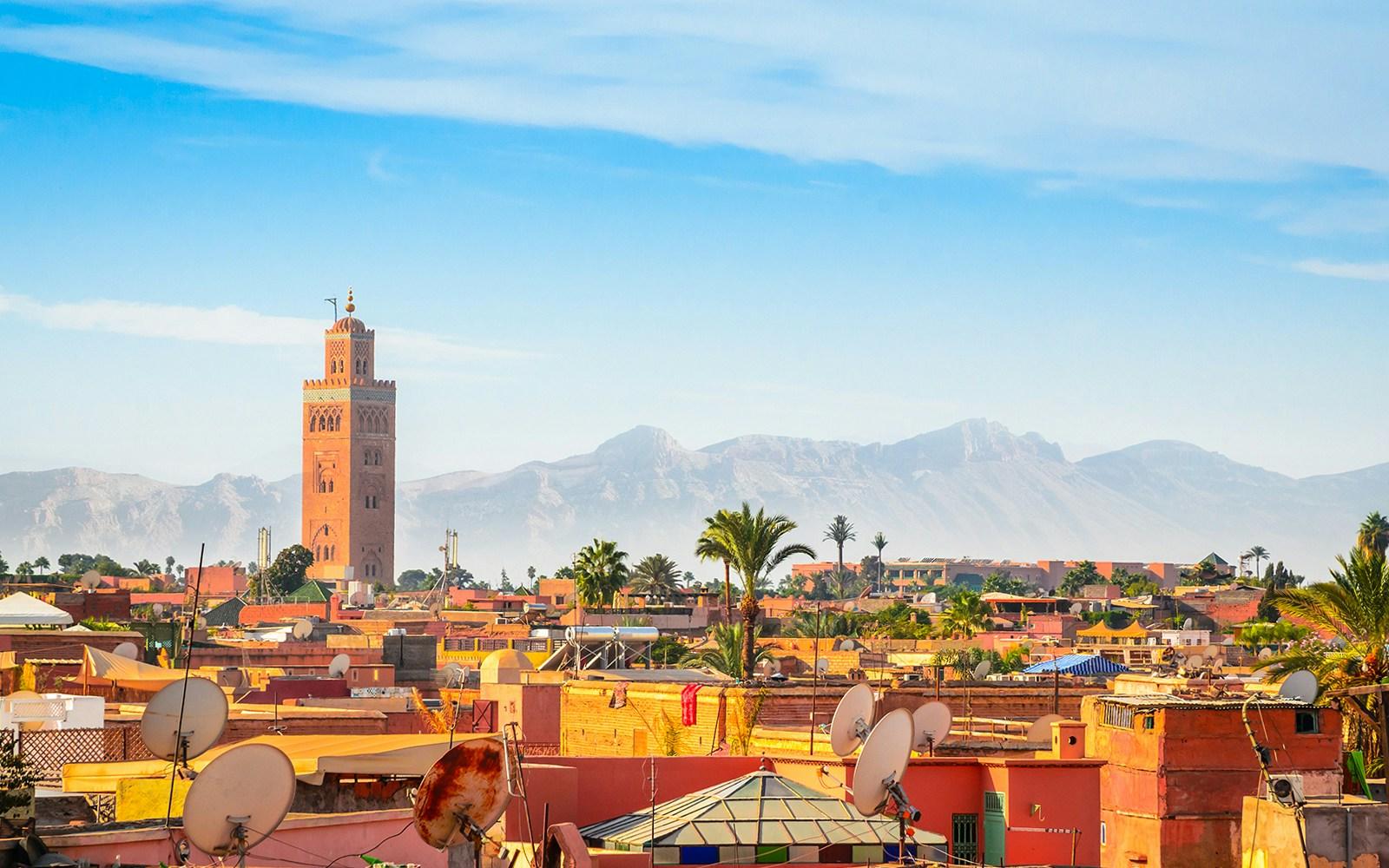
What Is Morocco Like in November?
November brings cooler temperatures and more comfortable conditions for sightseeing across much of Morocco. However, the weather differs between inland cities, the Atlantic coast, the Sahara Desert, and the Atlas Mountains, so your itinerary and packing list should reflect the regions you plan to visit.
Morocco Weather in November
| Destination | Daytime Temperature | Nighttime Temperature | What to Expect |
|---|---|---|---|
| Marrakech | 22–24°C (72–75°F) | 10–12°C (50–54°F) | Mild days for sightseeing, with chilly evenings |
| Fes | 18–21°C (64–70°F) | 8–11°C (46–52°F) | Cooler weather and a higher chance of rain |
| Essaouira | 19–21°C (66–70°F) | 14–16°C (57–61°F) | Mild coastal weather, with wind and occasional showers |
| Merzouga (Sahara Desert) | 22–25°C (72–77°F) | 7–11°C (45–52°F) | Warm afternoons but cold desert nights |
| Atlas Mountains | Varies by elevation | Often near or below freezing at higher elevations | Cold conditions, with possible snow at higher altitudes |
(Temperatures are approximate typical ranges, not forecasts. Conditions vary by location, elevation, and year.)
November is generally suitable for city walks, cultural sightseeing, and desert excursions. Rain becomes more likely in some northern and inland areas, while mountain weather can change quickly. Check local conditions before booking hikes or overnight desert trips.
Is November a Good Time to Visit Morocco?
Yes, especially if you prefer outdoor activities without peak summer heat. November offers several advantages, although there are a few seasonal trade-offs to consider.
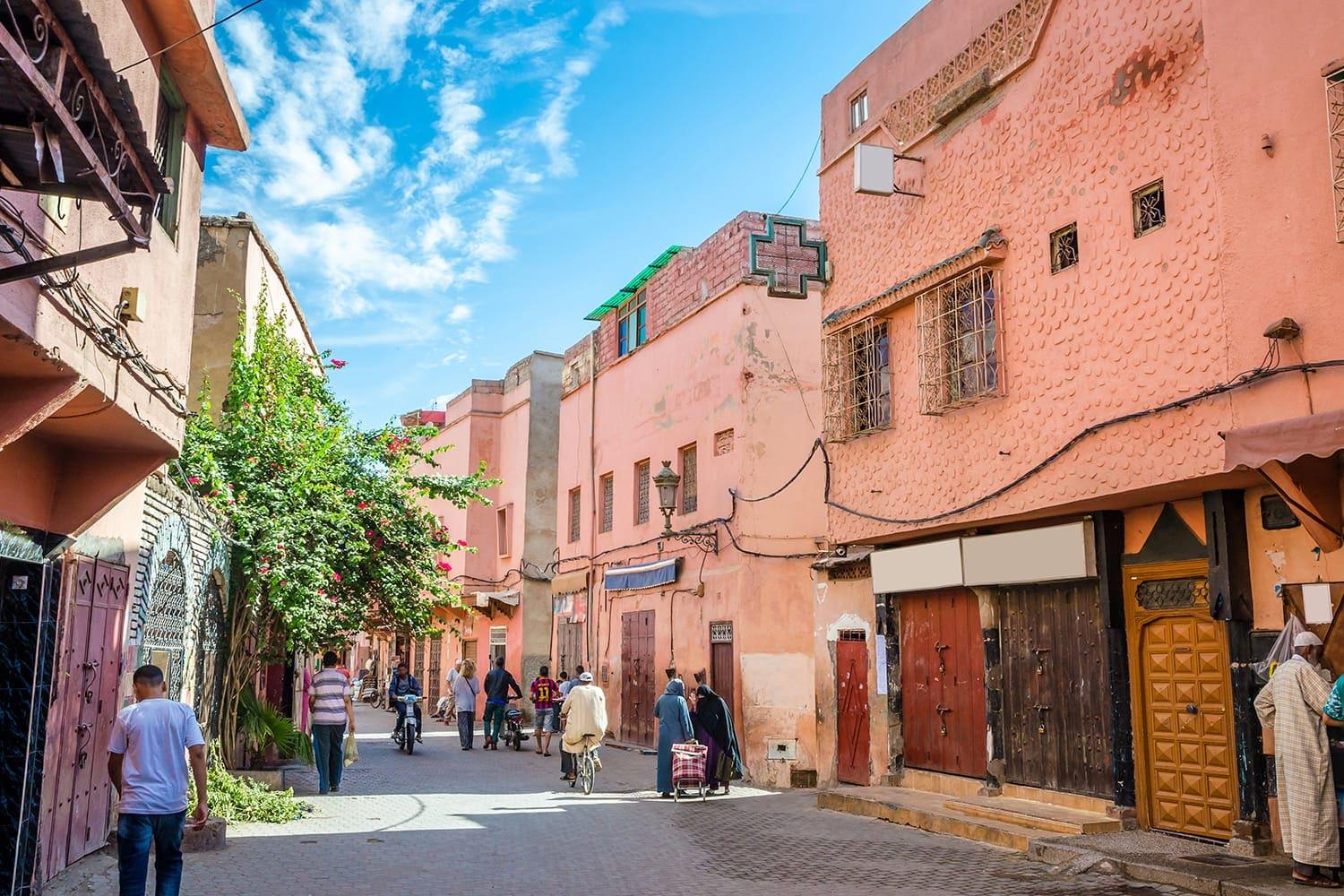
- More comfortable sightseeing: Cooler daytime temperatures make exploring medinas, historic sites, and outdoor attractions more pleasant.
- Good conditions for desert trips: Daytime temperatures are often manageable for camel rides and desert excursions, but warm layers are essential after sunset.
- Fewer peak-season crowds: Some popular attractions may be less busy than during peak travel periods, though demand can still increase around holidays.
- Shorter days and cooler nights: There is less daylight for sightseeing, and evening temperatures can fall sharply, particularly inland and in the desert.
- Some weather-related limitations: Rain may affect outdoor plans, while high-altitude mountain routes can become difficult or inaccessible in poor conditions.
What to Pack for Morocco in November
Packing layers is the most practical approach because temperatures can vary considerably between daytime sightseeing and evening activities.
- Lightweight tops and trousers: Suitable for mild afternoons in cities such as Marrakech.
- A warm jacket or fleece: Useful for chilly evenings, early-morning excursions, and desert camping.
- Comfortable walking shoes: Essential for uneven medina streets, historic sites, and longer walking tours.
- A compact rain jacket or umbrella: Helpful for rainy days, particularly in northern Morocco and coastal areas.
- Sun protection: Bring sunglasses, sunscreen, and a hat for exposed outdoor activities.
- Modest clothing: Lightweight garments that cover the shoulders and knees are useful when visiting religious or traditional settings.
Note: If your itinerary includes the Sahara Desert or Atlas Mountains, prioritize warmer layers over packing exclusively for Morocco's daytime temperatures.
Best Places to Visit in Morocco in November
November's milder weather makes it a good time to explore Morocco's historic cities, Atlantic coastline, and desert landscapes. The best destinations depend on your interests, from cultural sightseeing to outdoor adventures.
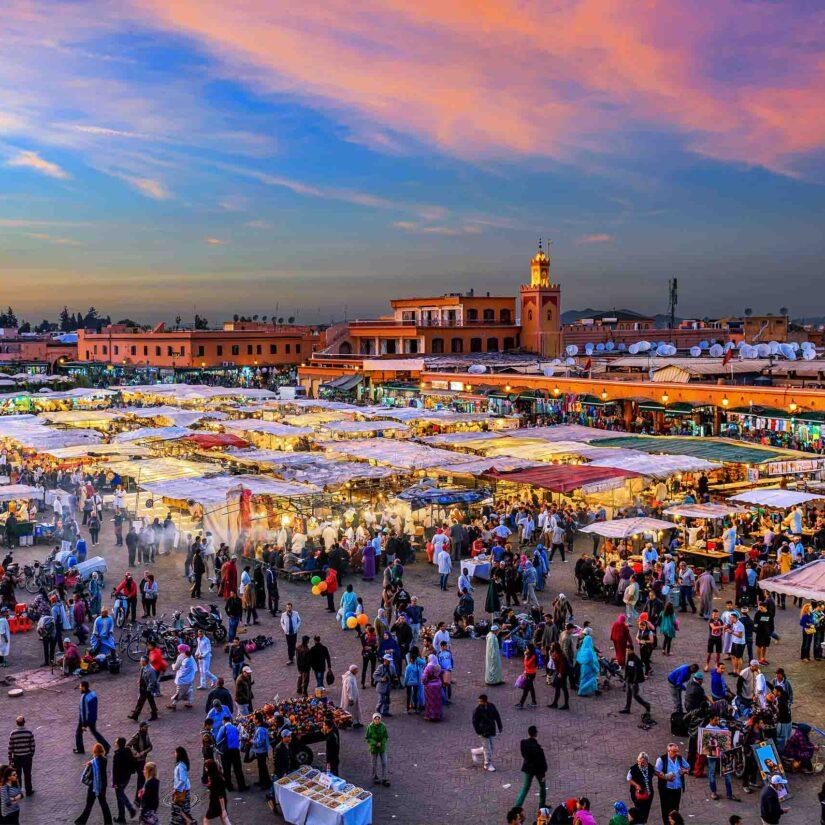
1. Marrakech: Explore Historic Markets and Gardens
Marrakech is an excellent starting point for a November trip. With daytime temperatures generally in the low to mid-20s°C (low to mid-70s°F), you can explore the city's busy streets without the intense heat of summer.
- Visit Jemaa el-Fnaa: Experience the main square's food stalls, street performers, and lively evening atmosphere.
- Explore the Medina: Browse traditional souks selling spices, leather goods, textiles, and handicrafts.
- Visit Jardin Majorelle: Walk through the famous garden, known for its vivid blue architecture and exotic plants. Book tickets ahead if needed.
November is also a good time to explore the city on foot. Bring a light jacket for evenings, when temperatures can drop noticeably.
2. Fes: Discover Morocco's Cultural Heritage
Fes is known for its medieval medina, traditional crafts, and historic architecture. November's cooler weather is well suited to walking through its narrow streets, although rain is possible.
- Explore Fes el-Bali: Navigate the UNESCO-listed old medina, with its historic mosques, markets, and traditional workshops.
- See the Chouara Tannery: Observe the city's traditional leather-dyeing process from designated viewing terraces.
- Visit Bou Inania Madrasa: Admire intricate Moroccan tilework, carved plaster, and cedarwood details.
Tip: The medina's winding alleys can make navigation challenging. Download an offline map before exploring, and consider hiring a local guide if you want a deeper understanding of the city's history.
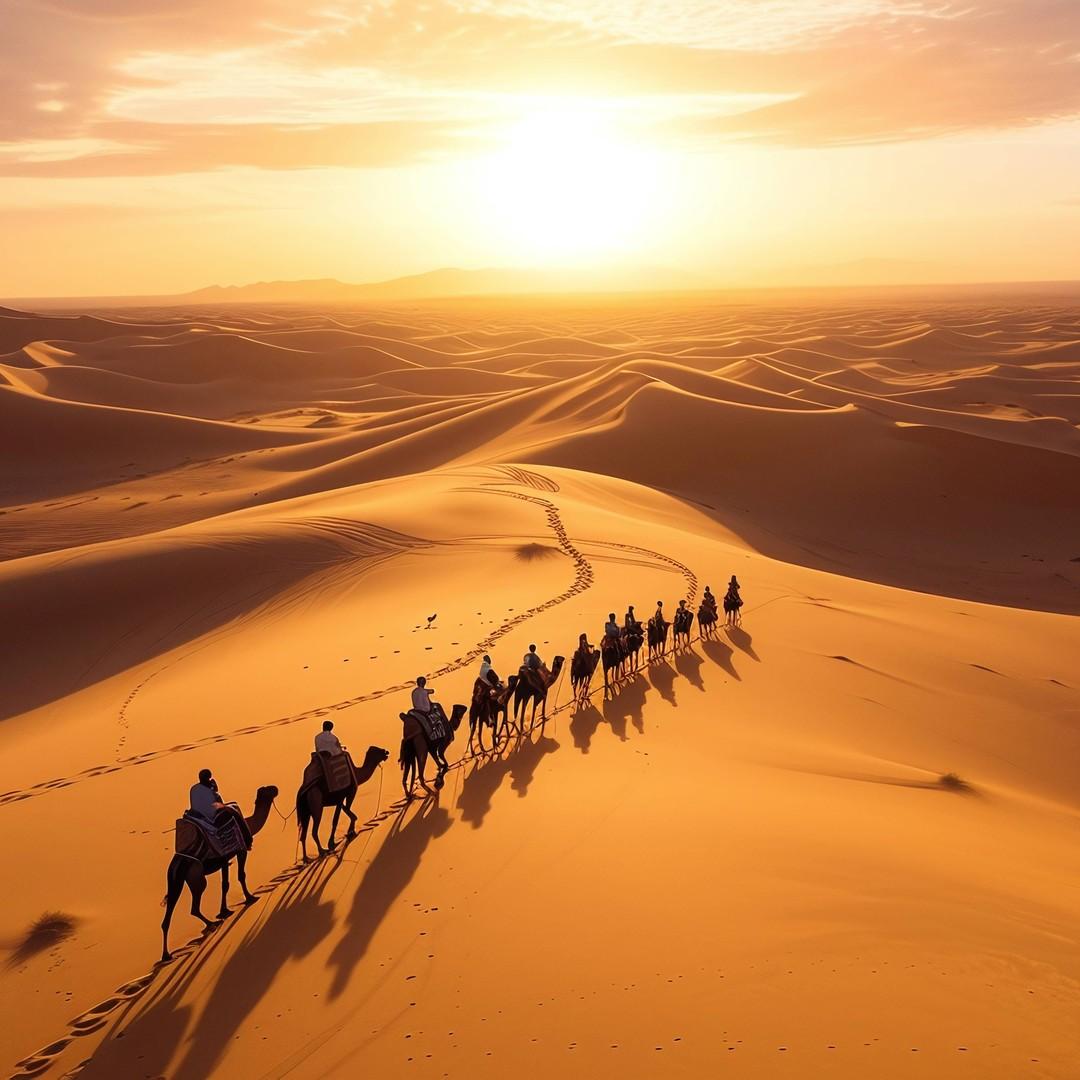
3. Merzouga and the Sahara Desert: Experience Desert Nights
November is a popular time for a Sahara Desert excursion because daytime temperatures are generally more comfortable than in summer. Merzouga, near the Erg Chebbi dunes, is a common base for camel rides and overnight desert camps.
- Watch the sunset over the dunes: The changing light creates striking views across the sand.
- Stay overnight in a desert camp: Experience the quiet desert landscape and clear night skies when conditions allow.
- Enjoy a sunrise excursion: Start early to see the dunes before the day warms up.
Desert nights can be cold in November, with temperatures sometimes falling into the single digits Celsius. Choose a camp with adequate bedding, bring warm layers, and confirm transport arrangements before booking.
4. Essaouira: Enjoy the Atlantic Coast
Essaouira offers a relaxed coastal alternative to Morocco's inland cities. Its historic medina, fishing port, and Atlantic beaches make it a good destination for travelers who prefer sea views and a slower pace.
- Walk along the Skala de la Ville: See the historic sea walls and coastal fortifications.
- Explore the fishing port: Watch fishing boats come and go and sample freshly prepared seafood.
- Stroll along the beach: Enjoy the expansive shoreline, keeping in mind that Atlantic winds can be strong.
November is usually mild along the coast, but wind and occasional rain can affect beach activities. Pack a wind-resistant jacket rather than relying only on lightweight summer clothing.
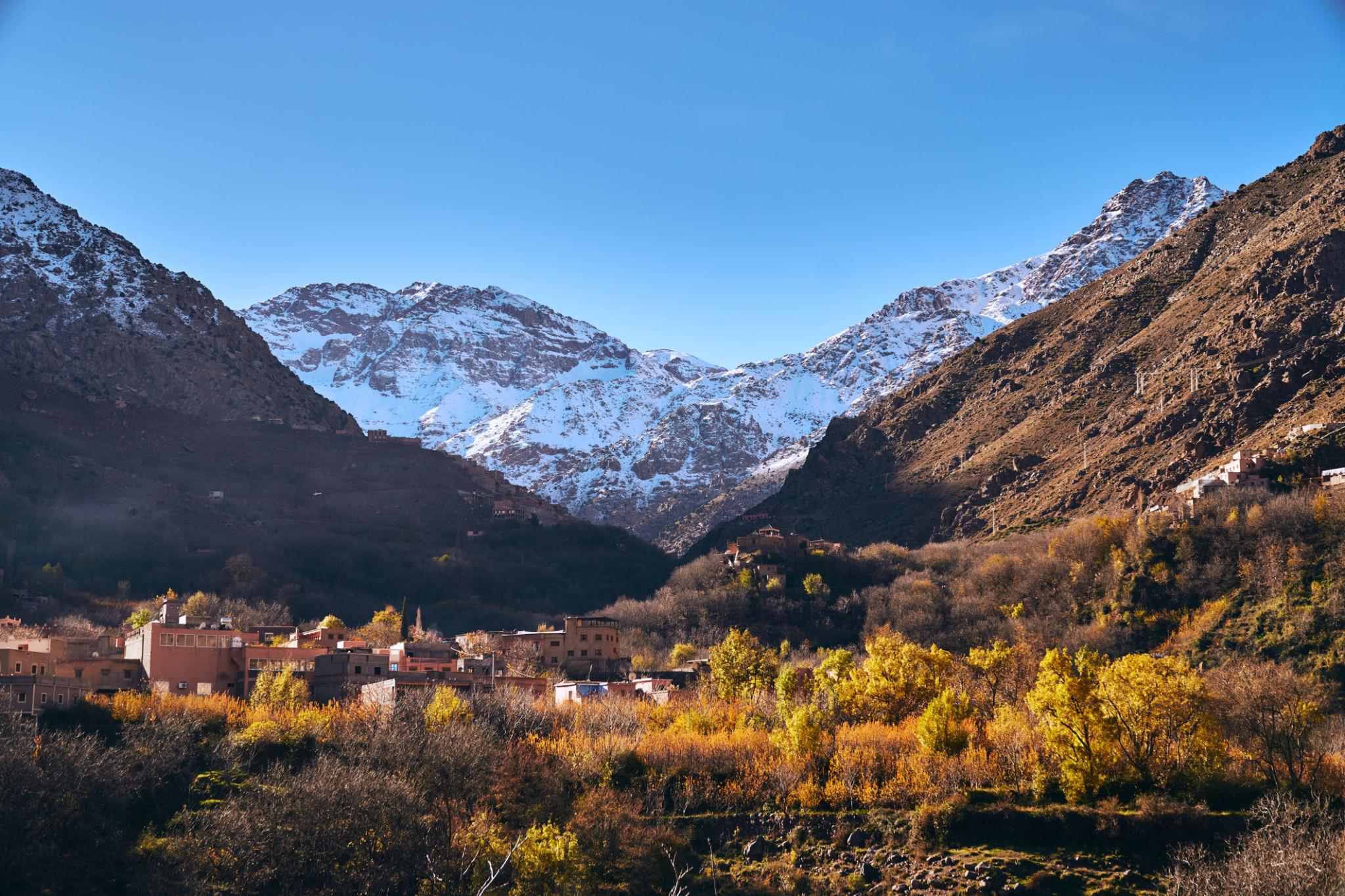
5. Atlas Mountains: Explore Mountain Scenery
The Atlas Mountains offer a different side of Morocco, with traditional villages, valleys, and hiking routes. November can be suitable for lower-elevation walks, but conditions become colder and less predictable as you climb higher.
- Visit Imlil: Use this mountain village as a base for guided walks and excursions in the High Atlas.
- Explore mountain valleys: Take shorter hikes to enjoy terraced fields, village scenery, and views of the surrounding peaks.
- Check conditions before hiking: Rain, snow, and icy paths may affect access to higher routes.
If you plan to hike, check local weather and trail conditions shortly before departure. Higher-altitude treks may require a local guide, suitable equipment, and a flexible schedule.
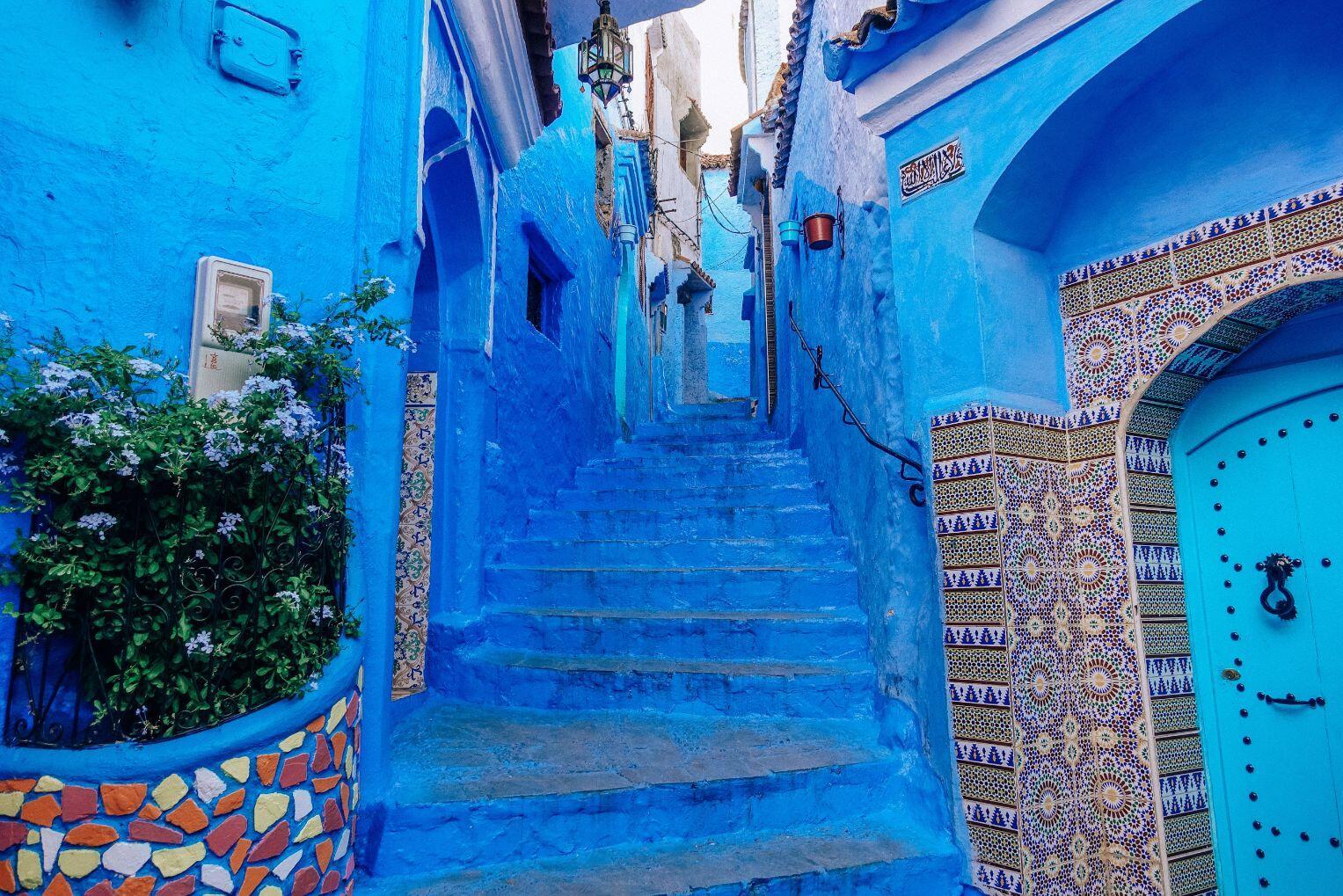
6. Chefchaouen: Wander Through the Blue City
Nestled in the Rif Mountains, Chefchaouen is famous for its blue-painted walls, narrow lanes, and mountain backdrop. November brings cooler weather and a quieter atmosphere than some peak travel periods, although rainfall is possible.
- Explore the blue medina: Wander through the streets and discover painted staircases, small shops, and hidden courtyards.
- Visit Plaza Uta el-Hammam: Relax at a café overlooking the main square and its historic kasbah.
- Take a short hike: If the weather is suitable, head toward the Spanish Mosque viewpoint for panoramic views over the town.
Bring comfortable shoes for the steep, uneven streets and a light rain jacket. If you are traveling from Fes or Tangier, allow enough time for the road journey rather than treating Chefchaouen as a quick stop.
Best Things to Do in Morocco in November
Beyond visiting individual destinations, November is a good time to enjoy Morocco's outdoor scenery and cultural experiences. These activities make the most of the cooler weather while allowing flexibility for occasional rain or colder evenings.
- Explore traditional souks and medinas: Visit Marrakech or Fes to browse local handicrafts, spices, leather goods, and textiles. Go in the morning for a more relaxed shopping experience, and carry cash for smaller purchases.
- Take a Sahara Desert excursion: Join a guided trip to the Erg Chebbi dunes near Merzouga or the Erg Chigaga dunes farther south. Many tours combine camel rides, sunset views, and overnight camping. Confirm what's included, particularly transport, meals, bedding, and transfers.
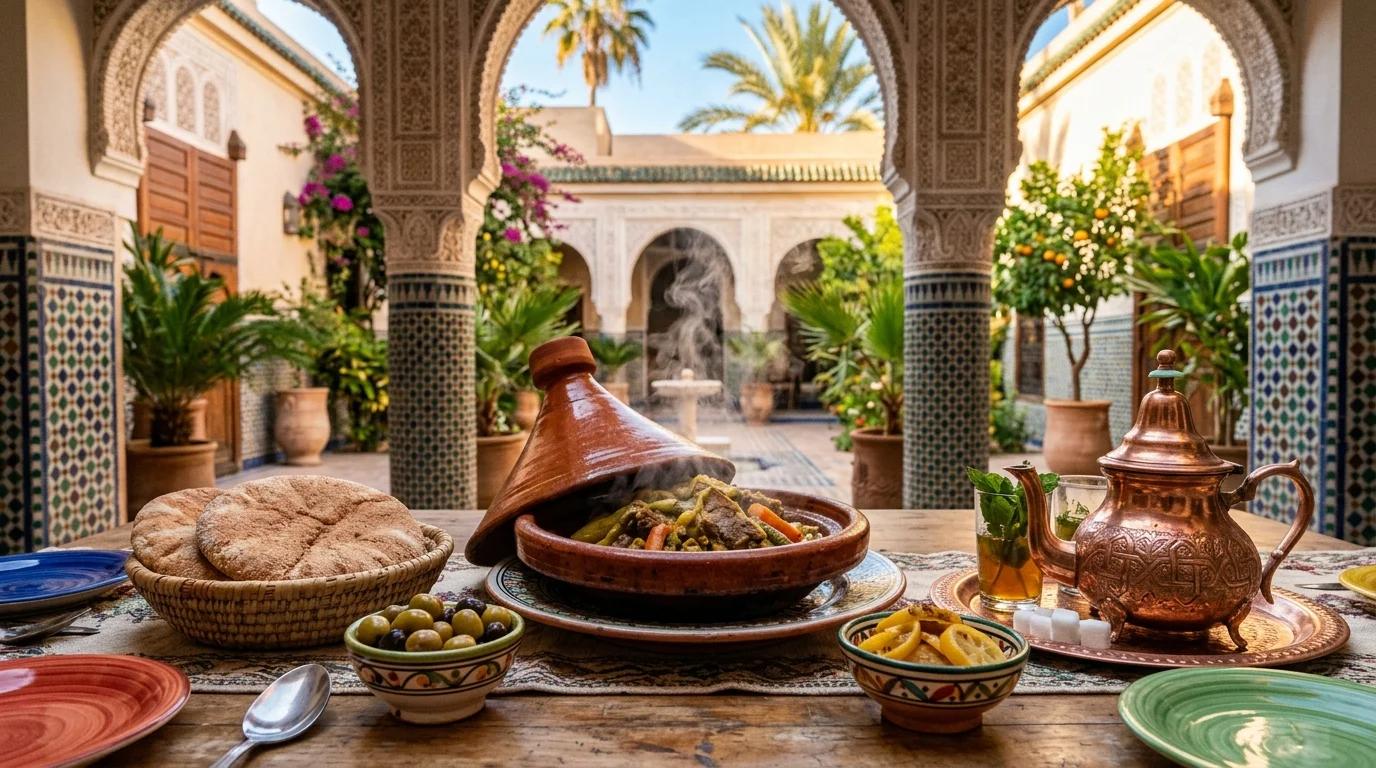
- Enjoy Moroccan food and cooking classes: Try dishes such as tagine, couscous, and harira, or join a cooking class to learn how local spices are used. November's cooler evenings are also a good time to enjoy a leisurely meal in a traditional riad.
- Discover Morocco's coastal scenery: Walk along Essaouira's historic ramparts or visit nearby beaches. Conditions may be too windy for swimming, but coastal walks and seafood restaurants offer alternatives.
- Go hiking in the Atlas Mountains: Choose a route suited to your fitness level and the current weather. Lower-elevation walks may be more practical in November than high-altitude treks, where snow or ice can affect trail access.
Check local weather and tour conditions before committing to outdoor activities, especially desert excursions and mountain hikes. Keeping some flexibility in your itinerary makes it easier to adjust plans if conditions change.
Travel Tips for Visiting Morocco in November
A little preparation can help you avoid common seasonal and logistical issues during a November trip to Morocco.
1. Dress for Temperature Changes
Daytime weather can be mild, but mornings and evenings are often much colder, especially in the desert and mountains. Wear layers that you can add or remove throughout the day, and bring a warm jacket if your itinerary includes overnight desert camping.
2. Plan Around Shorter Daylight Hours
November has fewer daylight hours than summer, leaving less time for sightseeing and outdoor excursions. Start long day trips early, and check sunset times before planning hikes or desert activities. If you're traveling between cities, avoid scheduling too many stops along the way.
3. Book Desert Tours and Transport Carefully
Before booking a Sahara excursion, confirm the departure point, journey duration, accommodation, meals, and return transport. Long-distance journeys can take several hours, so allow enough time between connections. For intercity travel, check train schedules through Morocco's ONCF railway service and confirm bus details directly with the operator.
4. Carry Cash and Prepare for Local Payments
Cards are accepted at many hotels and larger businesses, but smaller shops, taxis, and local markets may prefer cash. Keep some Moroccan dirhams available for everyday purchases, and check whether your bank charges foreign transaction or ATM withdrawal fees.
5. Arrange Mobile Data Before Departure
Mobile data can help you navigate medinas, check train schedules, contact accommodation providers, and coordinate with tour operators. If you plan to use a travel eSIM, check the following before leaving home:
- Device compatibility: Make sure your phone supports eSIM and is not locked to a carrier.
- Coverage: Check which Moroccan networks the plan uses and whether coverage suits your itinerary, particularly for remote desert and mountain areas.
- Data allowance: Estimate your needs based on map navigation, messaging, browsing, and photo uploads.
- Activation requirements: Review when the plan's validity begins and whether installation requires an internet connection.
Download offline maps and save essential booking details before traveling to remote areas, where mobile coverage may be limited.
Traveling to Morocco in November?
Stay connected with ByteSIM Morocco eSIM — mobile data for navigation, transport schedules, and bookings.
Explore ByteSIM eSIM →FAQ
Is Morocco expensive to visit in November?
Morocco is relatively affordable compared with many European destinations. Budget around $30–50 per person per day for budget travel, $60–120 for mid-range travel, or $150–250+ for a more comfortable trip. These estimates exclude international flights and multi-day Sahara Desert tours.
Can you swim in Morocco in November?
Swimming is possible, but conditions vary by location. Atlantic coastal destinations such as Essaouira can be windy, and the ocean may feel too cold for a comfortable swim. Heated hotel pools may be a better option if swimming is a priority.
How many days do you need to visit Morocco?
Seven to ten days is a reasonable starting point for a first trip. You could spend time in Marrakech, visit the Sahara Desert, and explore one additional destination. Allow more time if you want to include Fes, Chefchaouen, or the Atlas Mountains, as travel between regions can take several hours.
Is it easy to travel between Moroccan cities?
Major destinations are connected by trains, buses, and private transfers, but the most convenient option depends on your route. Trains are useful for cities such as Marrakech, Casablanca, and Fes, while reaching desert destinations such as Merzouga generally requires a road journey. Check schedules and journey times before finalizing your itinerary.
© Morocco November Travel Guide — Plan your trip to Morocco's medinas, coast, and desert.