
Winter is one of the best times to explore Egypt, with milder daytime temperatures making it more comfortable to visit ancient temples, pyramids, and archaeological sites. From Cairo and Giza to Luxor, Aswan, and the Red Sea coast, each destination offers a different experience, whether you're interested in history, Nile scenery, or beach relaxation.
But how do you make the most of an Egypt winter trip? Choosing the right destinations, planning travel between cities, and preparing for chilly evenings can make all the difference. This guide covers the best places to visit in Egypt in winter, suggested itineraries, and practical travel tips to help you plan a smoother journey.
Why Visit Egypt in Winter?
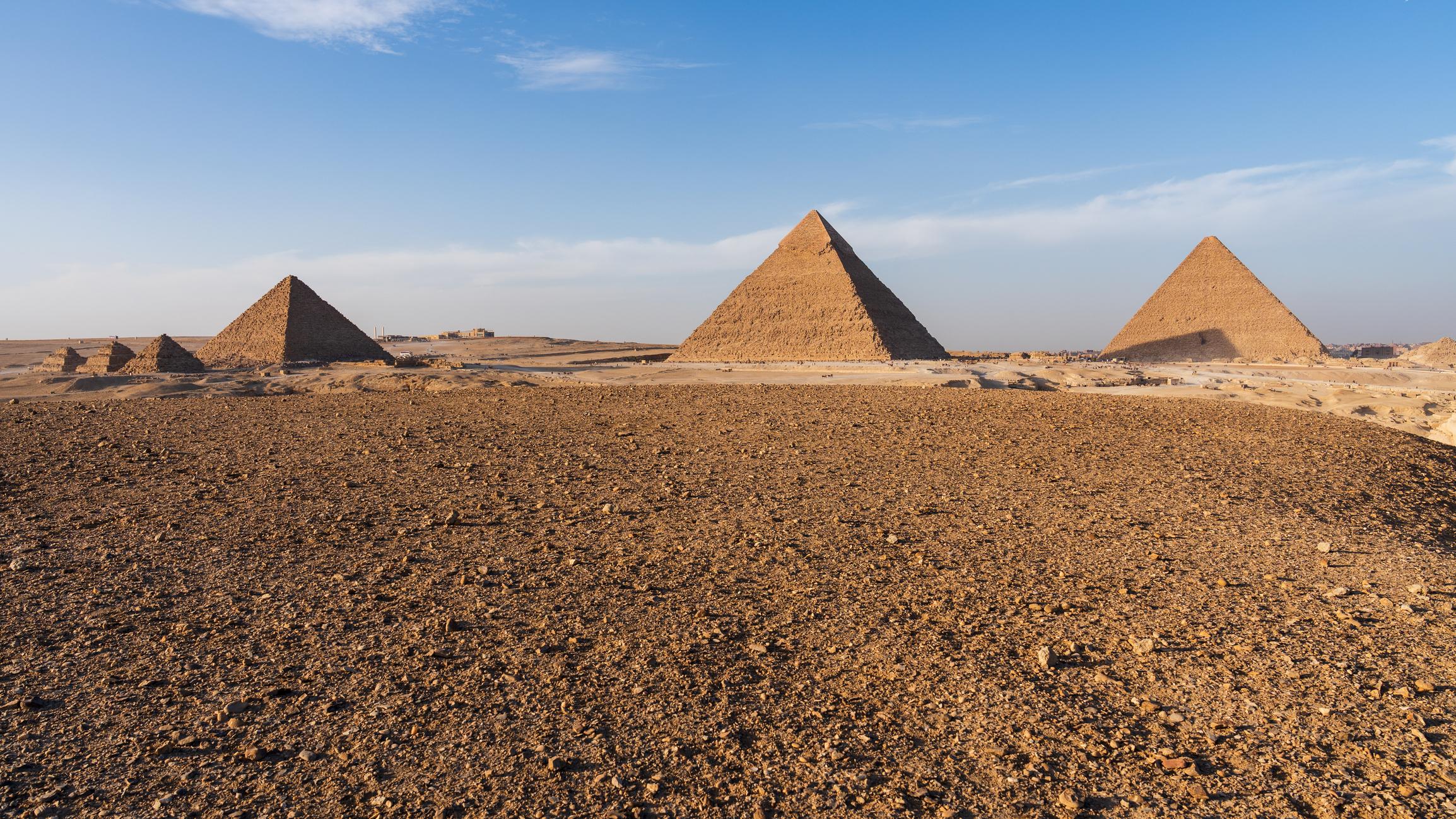
Winter, from December to February, offers a more comfortable way to explore Egypt's outdoor attractions. Instead of dealing with intense summer heat, travelers can spend more time visiting ancient sites, exploring historic neighborhoods, and enjoying activities along the Nile.
- More comfortable sightseeing: Cooler daytime temperatures make walking around the Pyramids of Giza, Karnak Temple, and the Valley of the Kings more manageable.
- Ideal for Nile cruises: Winter is a popular season for cruising between Luxor and Aswan, with pleasant daytime conditions for visiting riverside temples and archaeological sites.
- A mix of cultural and beach experiences: Combine Egypt's ancient landmarks with snorkeling, diving, or relaxing at Red Sea resorts such as Hurghada and Sharm El Sheikh.
- Better conditions for desert excursions: Cooler weather can make guided desert trips and outdoor activities more enjoyable than during the hottest months.
Note: Winter is also a popular travel season, especially from December through February. Book flights, accommodation, Nile cruises, and popular excursions in advance. If you're traveling over Christmas or New Year, expect higher demand and potentially higher prices.
Egypt Winter Weather: What to Expect
Egypt's winter weather varies by region. Northern cities tend to be cooler and more likely to experience rain, while southern Egypt is generally warmer and sunnier. Red Sea resorts offer mild winter conditions, although evenings can be cool and the sea may feel chilly.
Cairo and Northern Egypt
Cairo and Giza typically have mild days and cool nights from December to February. Occasional rain is possible, particularly in northern coastal areas, so bring a light waterproof jacket alongside comfortable walking clothes. Winter is well suited to exploring the pyramids, museums, and historic districts without the extreme heat of summer.
Luxor and Aswan in Southern Egypt
Luxor and Aswan are generally warmer and drier than Cairo, making winter an excellent season for visiting temples and tombs. Daytime sunshine can still feel strong during extended outdoor excursions, but early mornings and evenings may be surprisingly cold. Pack breathable layers, sun protection, and a warmer jacket for outings that start before sunrise.
Red Sea Resorts
Hurghada and Sharm El Sheikh remain popular winter destinations thanks to their mild, sunny weather. Beach relaxation and diving are still possible, but stronger winds and cooler water can affect swimming and snorkeling conditions. Bring swimwear for water activities and a light jacket for breezy evenings.
Average Winter Temperatures by Region
| Destination | Typical daytime temperature | Typical nighttime temperature |
|---|---|---|
| Cairo and Giza | 19–21°C (66–70°F) | 9–11°C (48–52°F) |
| Luxor | 23–25°C (73–77°F) | 7–10°C (45–50°F) |
| Aswan | 24–26°C (75–79°F) | 10–12°C (50–54°F) |
| Hurghada | 21–24°C (70–75°F) | 11–15°C (52–59°F) |
| Sharm El Sheikh | 22–25°C (72–77°F) | 13–16°C (55–61°F) |
These are approximate seasonal ranges, not daily forecasts. Conditions vary by month and year.
What this means for your trip: Southern Egypt is generally the better choice for warm daytime sightseeing, while Cairo requires more preparation for cool mornings and occasional rain. If your itinerary includes both historical sites and the Red Sea, pack layers so you can adapt to changing temperatures throughout the day.
Best Places to Visit in Egypt in Winter
Winter is an ideal time to explore Egypt's ancient landmarks and enjoy its coastal scenery without the intense summer heat. The best destinations depend on your travel priorities, from world-famous archaeological sites to Nile cruises and Red Sea beach escapes.
Cairo and Giza: Explore Ancient Egyptian History
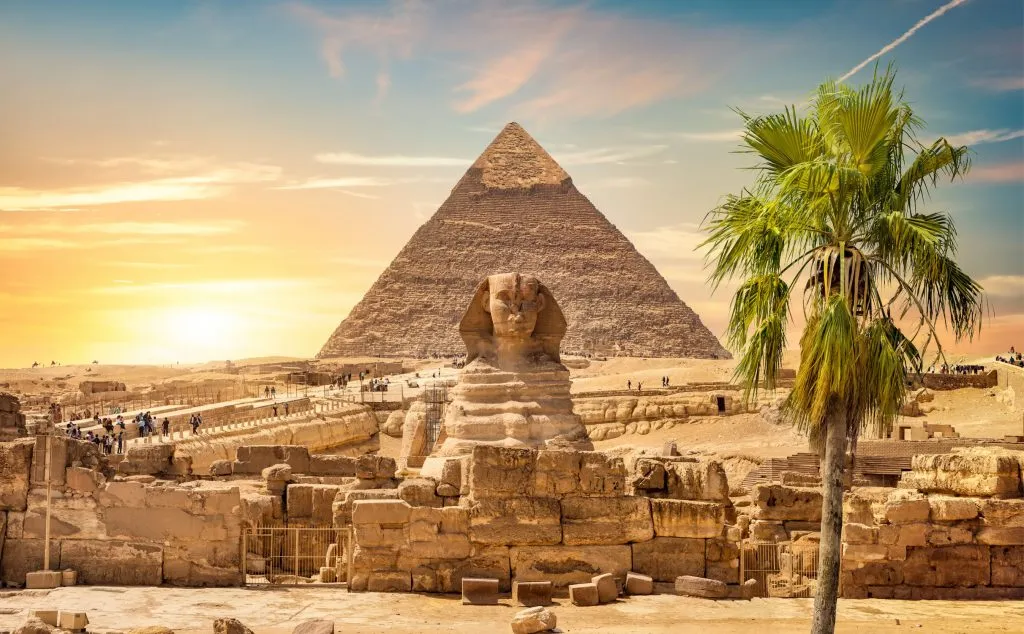
Cairo and neighboring Giza are essential stops for first-time visitors, combining ancient wonders with museums and lively historic neighborhoods.
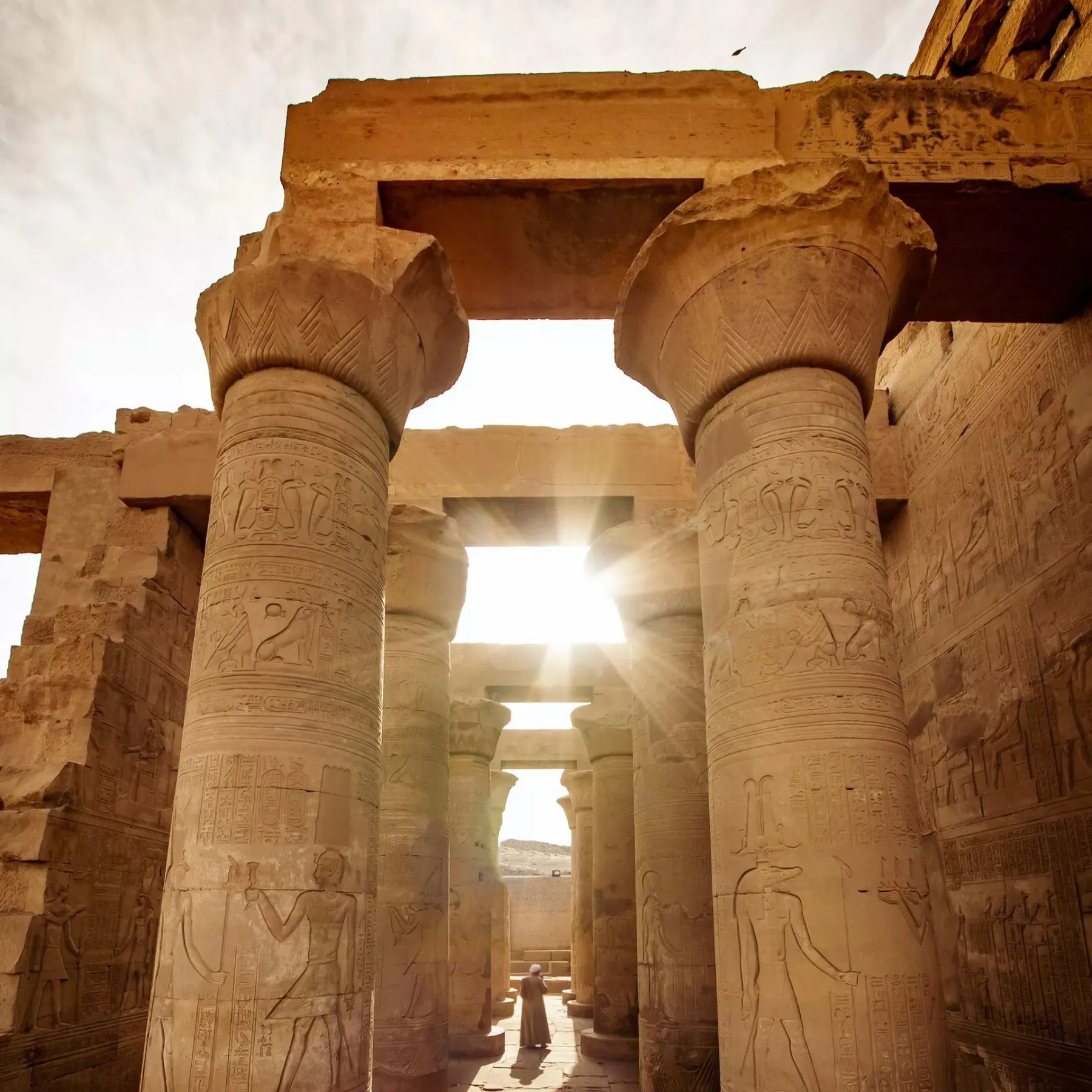
- Pyramids of Giza: See the Great Pyramid, the Pyramid of Khafre, and the Great Sphinx. Arrive early to explore before the busiest hours.
- Grand Egyptian Museum: Discover collections related to ancient Egyptian civilization near the Giza pyramid complex. Check current opening arrangements before visiting.
- Historic Cairo: Explore Khan el-Khalili bazaar and nearby historic mosques for traditional architecture, local crafts, and Egyptian street life.
Allow two to three days for Cairo and Giza if you want to cover the main attractions without rushing.
Luxor: Discover Temples and Ancient Tombs
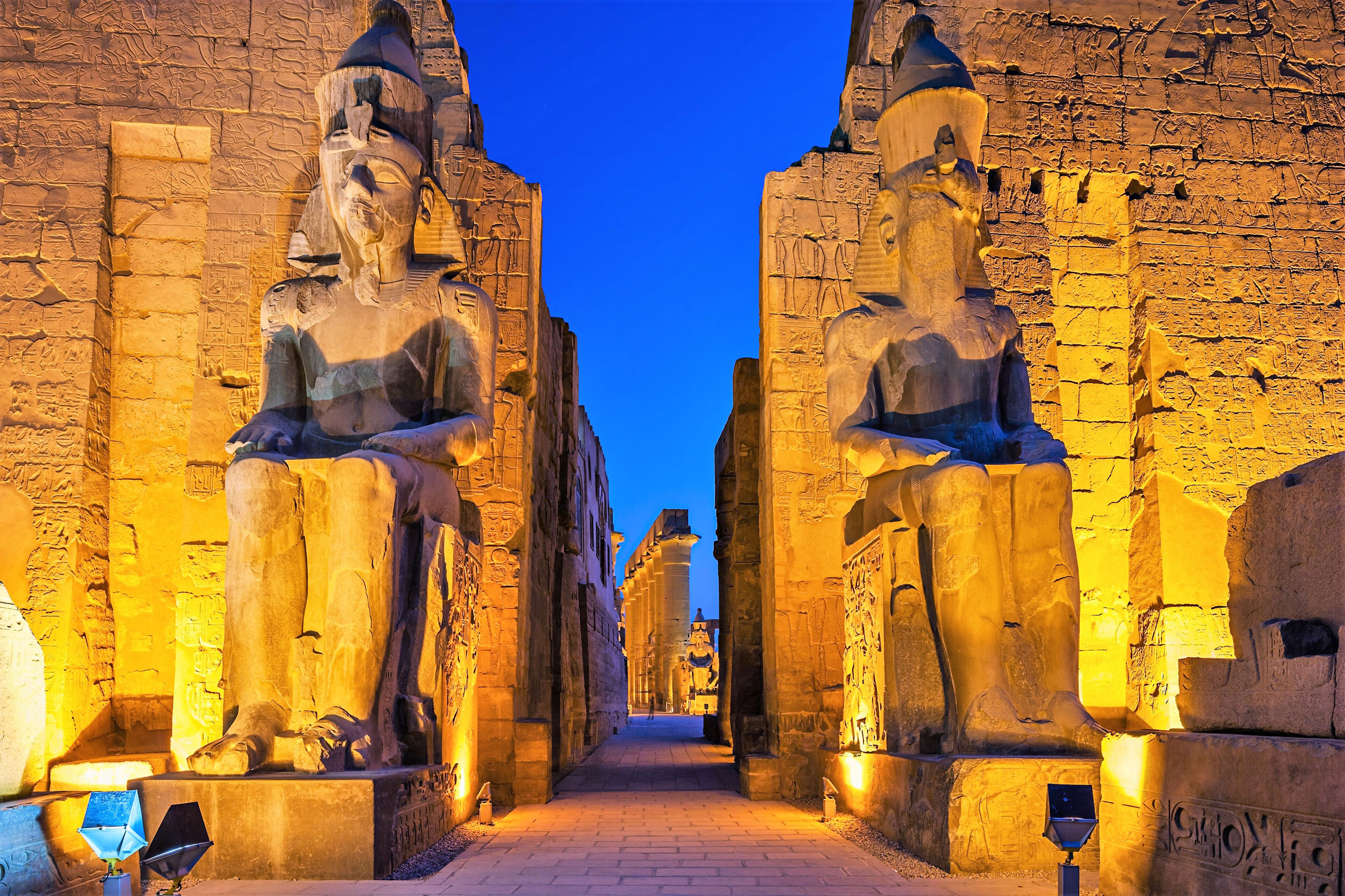
Luxor is one of Egypt's most rewarding winter destinations, with a concentration of ancient monuments on both sides of the Nile. Cooler weather makes it easier to spend several hours exploring large archaeological sites.
- Karnak Temple: Walk among monumental columns, obelisks, and temple courtyards in one of Egypt's most impressive religious complexes.
- Luxor Temple: Visit this riverside landmark, which is particularly atmospheric when illuminated after dark.
- Valley of the Kings: Explore royal tombs carved into the hills on the Nile's west bank. Some tombs require separate tickets.
- Temple of Hatshepsut: Admire the terraced architecture built against a dramatic desert cliff.
Plan two full days in Luxor for the major sites. Start outdoor visits early, especially if you want to see several monuments in one day.
Aswan: Enjoy the Nile and Southern Egypt
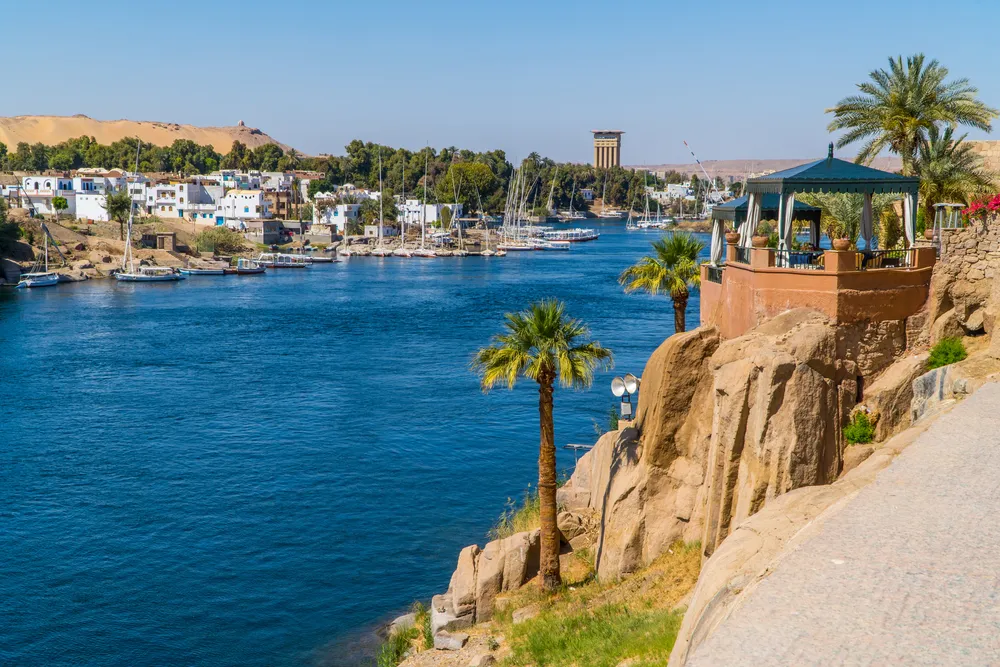
Further south, Aswan offers a more relaxed pace, Nile scenery, and distinctive Nubian culture. Its generally warm, dry winter days are ideal for boat trips and outdoor sightseeing.
- Philae Temple: Reach this island temple by boat and explore its monuments dedicated to the goddess Isis.
- Nubian villages: Experience colorful riverside neighborhoods, local crafts, and Nubian cultural traditions.
- Nile felucca ride: Take a traditional sailing boat to enjoy views of the river, islands, and desert landscape.
- Abu Simbel: Consider a day trip to the monumental temples built by Ramses II. The journey requires advance planning because of the distance from Aswan.
Allow one to two days in Aswan, or longer if you plan to visit Abu Simbel or take a Nile cruise.
Red Sea Coast: Relax by the Sea
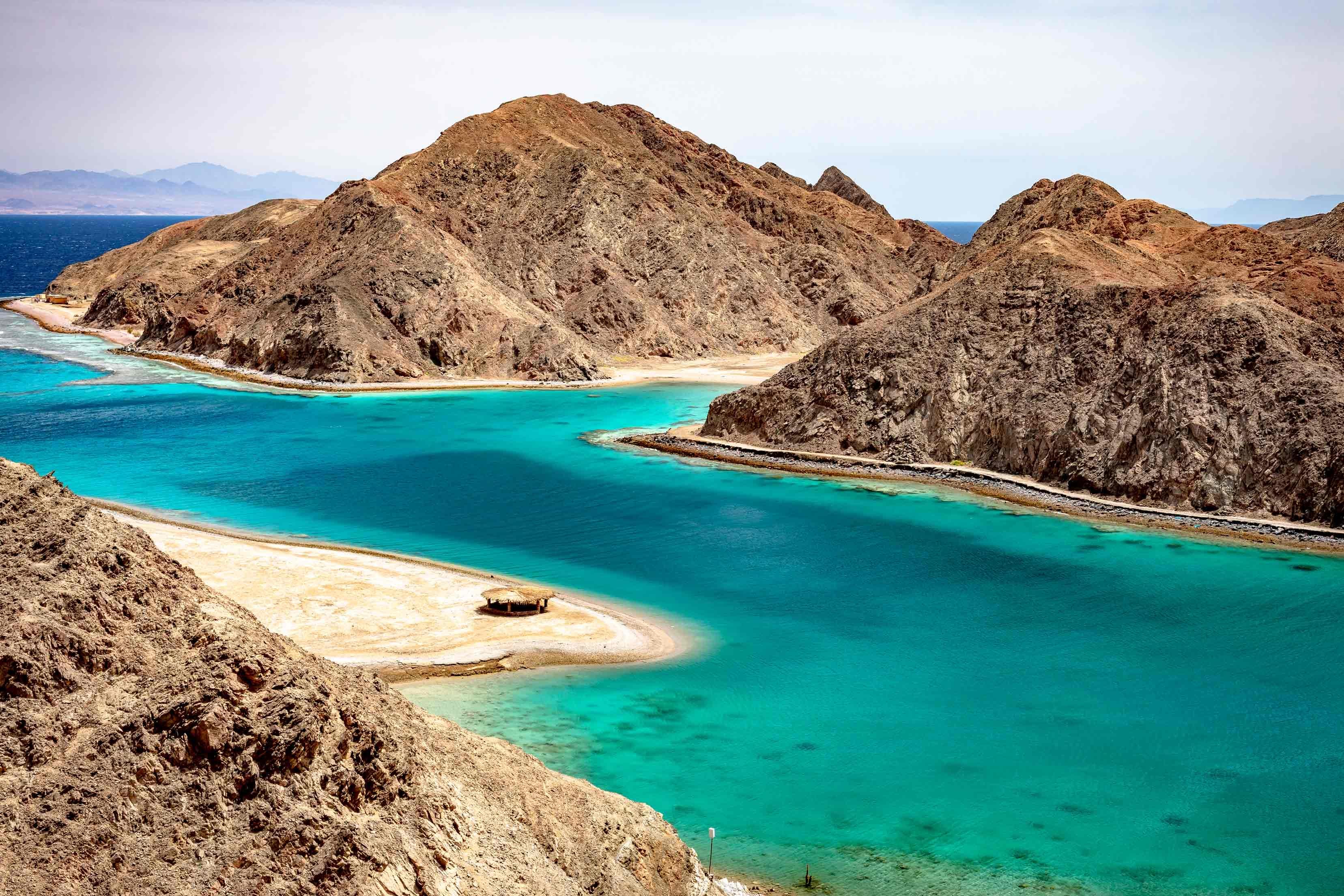
If you want a break from temples and archaeological sites, Egypt's Red Sea resorts offer a different kind of winter holiday, with beach resorts, coral reefs, and water-based activities.
- Hurghada: A good choice for resort stays, snorkeling excursions, diving, and boat trips to nearby islands.
- Sharm El Sheikh: Known for access to coral reefs, diving sites, and Ras Mohammed National Park.
- Desert excursions: Both resort areas offer guided trips into the surrounding desert, including scenic drives and Bedouin-style experiences.
Reserve at least two or three days for a Red Sea stay if you want time to relax alongside organized activities. Although winter is generally sunny, wind and cooler water can affect swimming conditions, so check local forecasts before booking boat trips.
Planning tip: If this is your first visit, combine Cairo and Giza with Luxor and Aswan for a history-focused trip. If you have 10–14 days, consider adding a Red Sea resort for a more balanced mix of culture, sightseeing, and relaxation.
How to Plan an Egypt Winter Trip
Planning a winter trip to Egypt is largely about managing travel time between destinations. Cairo, Luxor, Aswan, and the Red Sea resorts are spread across different parts of the country, so choosing the right transport and order of travel can make your itinerary more efficient.
Choose Your Route Based on Travel Time
Rather than visiting as many places as possible, group destinations according to their geographic location and transport connections.
- Start in Cairo: International flights commonly arrive in Cairo, making it a practical starting point for most itineraries.
- Travel south by train or plane: Choose a domestic flight if you want to maximize sightseeing time. Trains are an alternative for travelers who prefer rail travel, including overnight services on some routes.
- Connect Luxor and Aswan: These cities are relatively close compared with other major destinations in Egypt. Train travel is practical, while a Nile cruise offers a slower journey with organized sightseeing.
- Plan the Red Sea separately: Hurghada and Sharm El Sheikh are in different coastal areas. Choose the resort that best fits your plans and check onward transport before adding it to your route.
Choose the Right Transport for Your Trip
| Transport | Best for | What to consider |
|---|---|---|
| Domestic flights | Covering long distances quickly | Include airport transfers, check-in time, and baggage rules when comparing total journey time |
| Trains | Traveling between connected cities, particularly along the Nile Valley | Check schedules, journey duration, and ticket availability in advance |
| Nile cruises | Combining travel between Luxor and Aswan with sightseeing | Compare sailing dates, included excursions, and the number of nights onboard |
| Private transfers or organized tours | Reaching specific sites or traveling with less logistical planning | Confirm the total price, pickup location, and what is included |
Allow Extra Time for Winter Travel
Winter is a popular season for visiting Egypt, so transport and accommodation around major attractions can be in high demand. Build flexibility into your schedule rather than planning several time-sensitive activities on the same day.
- Book key transport early: Reserve flights, sleeper trains, and Nile cruises in advance when possible.
- Avoid tight connections: Leave sufficient time between arriving in one city and joining a tour or catching another service.
- Plan around daylight: Schedule outdoor sightseeing during daylight hours, and check attraction opening times before setting off.
- Keep essential details accessible: Save hotel addresses, tickets, pickup instructions, and offline maps in case your connection is unreliable.
What to Pack for Egypt in Winter
Egypt's winter weather can vary significantly between regions, with warm afternoons in the south and cooler evenings in Cairo and along the coast. Pack lightweight clothing for daytime sightseeing and add layers for early mornings, evenings, and air-conditioned transport.
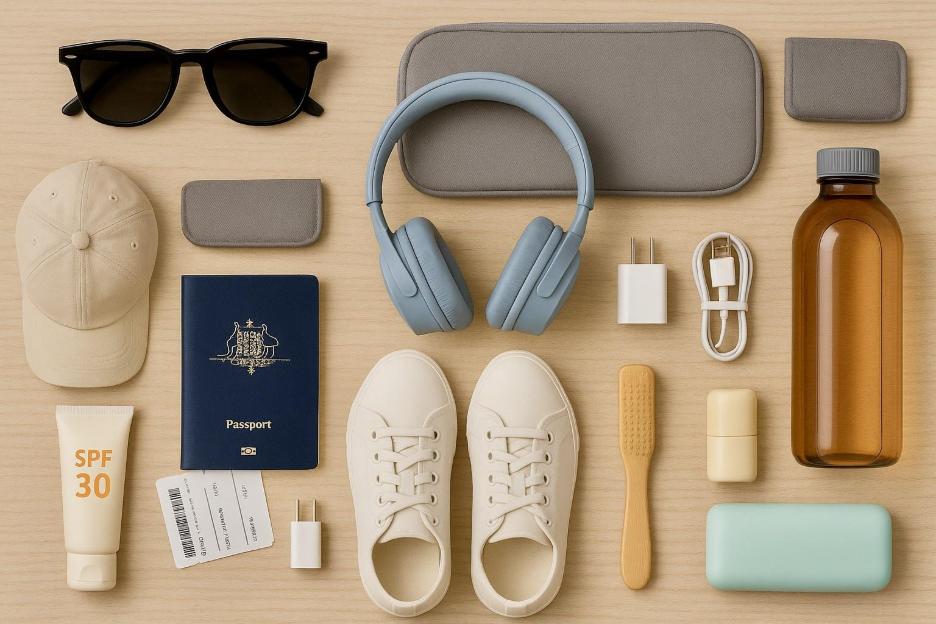
- Layered clothing: Bring T-shirts, long-sleeved tops, trousers, and a warm jacket for cooler mornings and evenings.
- Comfortable walking shoes: Choose supportive shoes for uneven ground, sandy paths, and long visits to archaeological sites.
- Sun protection: Pack sunscreen, sunglasses, and a hat. Winter sunshine can still be strong, especially in southern Egypt.
- Modest clothing: Carry clothes that cover your shoulders and knees when visiting mosques or religious sites.
- Beach essentials: If you're visiting Hurghada or Sharm El Sheikh, bring swimwear and a light windproof layer for breezy evenings.
- Travel documents and essentials: Keep your passport, booking confirmations, payment cards, and any necessary medication accessible.
- Connectivity essentials: Prepare your phone for use before departure. If you're planning to use a travel eSIM, check device compatibility, confirm that your chosen plan covers Egypt, and review its activation instructions. Download offline maps and save important addresses in case mobile coverage is temporarily unavailable.
How to Stay Connected in Egypt
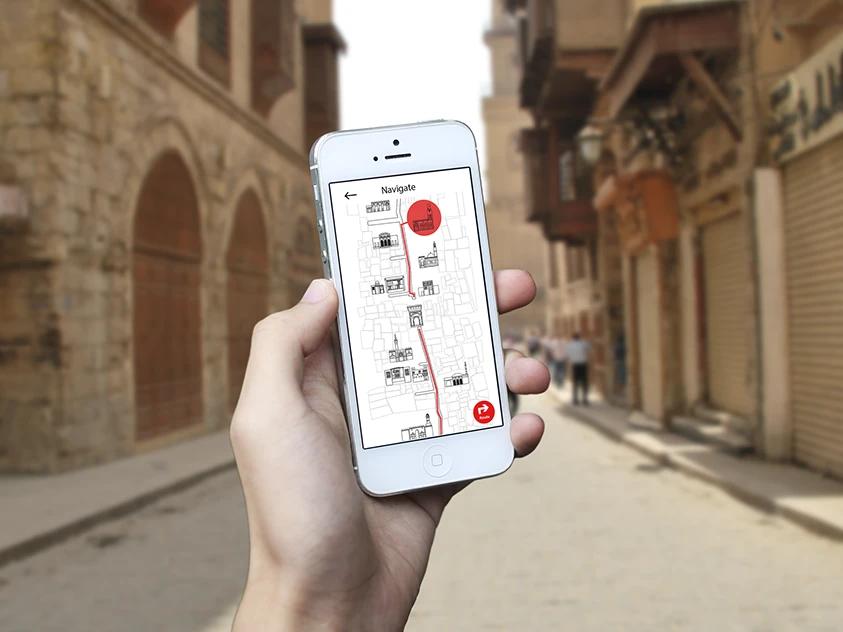
From navigating Cairo's busy streets to coordinating airport transfers and checking tour details in Luxor, mobile data can make getting around Egypt easier. International travelers can choose between roaming, a local SIM card, or a travel eSIM, depending on their budget and connectivity needs.
Choose the Right Connectivity Option
| Option | Best for | Things to consider |
|---|---|---|
| International roaming | Travelers who want to keep using their existing SIM | Check roaming rates and data limits with your home carrier before departure. |
| Local SIM card | Travelers who need a local mobile number | You may need to purchase and register the SIM locally, subject to identification requirements. |
| Travel eSIM | Travelers who want to arrange mobile data before arrival | Your phone must support eSIM, and the plan must cover Egypt. Check data allowances, validity, and activation requirements. |
Use a Travel eSIM for Mobile Data in Egypt
A travel eSIM lets you set up a mobile data plan without inserting a physical SIM card. It can be a convenient option if you want connectivity for maps, messaging, online bookings, and contacting accommodation or drivers as you travel between destinations.
If you're considering a ByteSIM Egypt eSIM, check these details before departure:
- Device compatibility: Confirm that your phone supports eSIM and is not carrier-locked.
- Coverage: Check that the plan supports the destinations on your itinerary. Coverage and signal quality may vary by location.
- Data allowance and validity: Choose a plan that fits your trip length and expected usage, including navigation, messaging, and photo sharing.
- Installation and activation: You can install your ByteSIM Egypt eSIM before departure, so it's ready for your trip. However, activation will only complete once you arrive in Egypt and the eSIM connects to a supported local network. Follow the plan's setup instructions and keep your primary SIM available if you still need your regular number.
- Dual-SIM settings: If you want to keep your home number available for calls or verification messages, check your phone's SIM settings and select the eSIM for mobile data. Disable data roaming on your home SIM if you want to avoid unintended roaming charges.
Planning a winter trip to Egypt?
Explore ByteSIM to find a mobile data option for your journey. Check the specific Egypt plan's coverage, data allowance, validity, and activation rules before purchasing.
Explore ByteSIM eSIM →FAQ
Does Egypt get dark early in winter?
Yes. Winter days are shorter than summer days, so plan outdoor sightseeing earlier and leave enough time to return before dark. Check sunset times for each destination, especially if you're arranging desert excursions or visiting sites outside city centers.
Is Christmas celebrated in Egypt?
Yes. Egypt has a Christian community, including Coptic Orthodox Christians, who celebrate Christmas on January 7. Some churches hold special services, while major tourist attractions generally continue to welcome visitors. Check local arrangements if you plan to attend a service.
Should you book attraction tickets in Egypt in advance?
Booking ahead is advisable for popular attractions, guided tours, and special experiences, particularly during the winter high season. Check official ticketing channels for current entry requirements, opening hours, and any restrictions before your visit.
Is it easy to use credit cards in Egypt?
Credit cards are accepted at many hotels, larger restaurants, and established businesses, but smaller shops, markets, and some local transport providers may prefer cash. Carry some Egyptian pounds for everyday purchases, and check foreign transaction fees with your bank before traveling.
© Egypt Winter Travel Guide — Plan your trip to Egypt's ancient sites and Red Sea coast.