
Looking for an autumn destination in Europe that offers more than colorful forests? Transylvania combines mountain landscapes, medieval towns, historic castles, and a distinctive Halloween atmosphere, making it an appealing alternative to Europe's more familiar fall destinations.
From the forests of the Carpathian Mountains to the cobbled streets of Sighișoara and the dramatic setting of Bran Castle, autumn brings a particularly atmospheric side of Transylvania to life. Here's why this region deserves a place on your autumn travel list—and what to know before you go.
Why Visit Transylvania in Autumn?
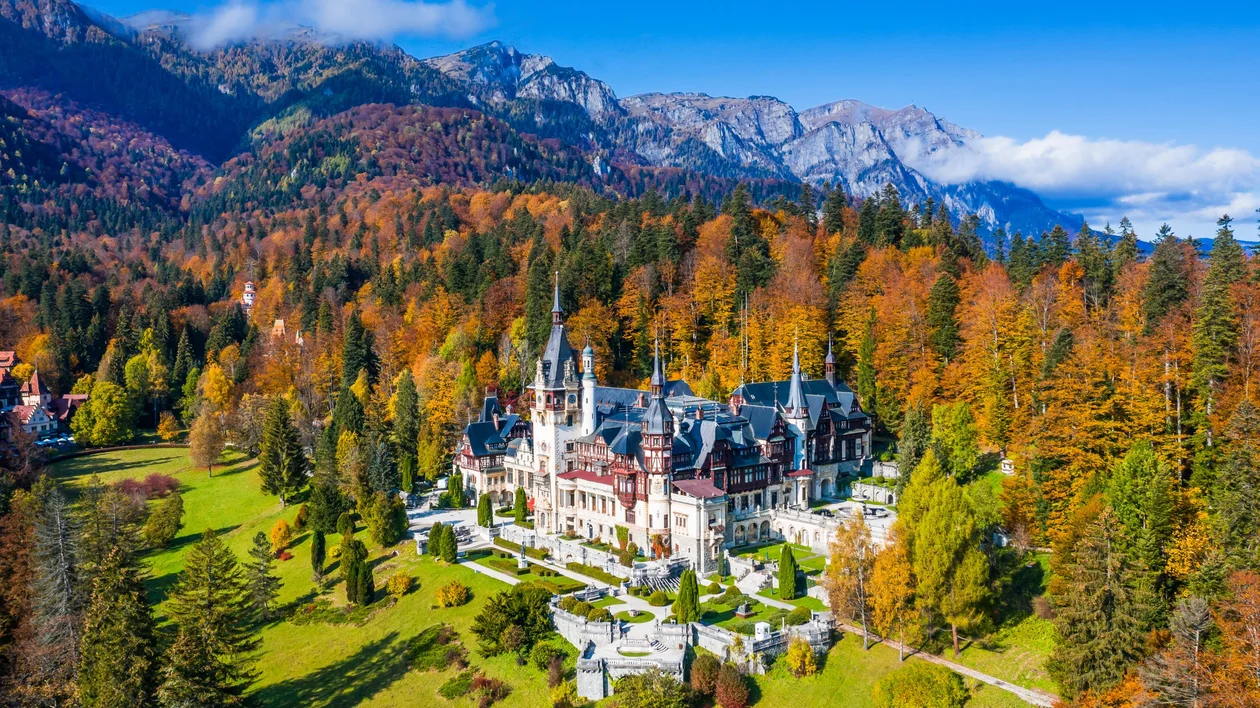
Autumn brings together several experiences that make Transylvania particularly appealing from September through November. The Carpathian Mountains turn golden and red, medieval towns become quieter, and cooler temperatures make it more comfortable to explore castles, historic streets, and hiking trails.
See the Carpathian Mountains in Fall Colors
The Carpathian Mountains cover much of Transylvania, creating a mix of forests, valleys, and mountain viewpoints. As the leaves change color, hiking routes and scenic drives take on a distinctly autumnal character. The timing varies by elevation and weather, but late September through October is generally the best period to look for fall foliage. Higher-altitude areas can change earlier, while lower-lying towns may retain greener landscapes for longer.
Explore Medieval Towns Without Peak-Summer Crowds
Transylvania is home to several well-preserved medieval towns, including Brașov and Sighișoara. Autumn typically brings cooler weather and fewer visitors than the summer high season, making it easier to explore historic centers at a slower pace. The season also works well for combining sightseeing with outdoor activities. You can spend the morning walking through an old town and the afternoon heading into the surrounding hills or countryside.
Experience Castles in a Different Season
Transylvania's castles and fortified sites take on a more atmospheric character in autumn. Cooler temperatures, changing foliage, and shorter days create a natural backdrop for places such as Bran Castle. For travelers interested in the Dracula legend, autumn also adds a seasonal connection that is difficult to replicate at other times of year, particularly around Halloween.
Enjoy Autumn Outdoors Before Winter Arrives
September and October offer a useful window for exploring Transylvania's natural landscapes before colder winter conditions arrive. Depending on the route and weather, travelers can choose from hiking, scenic drives, countryside walks, and viewpoints across the Carpathian region. This combination of fall foliage, historic towns, castles, and outdoor activities is what makes Transylvania more than simply a destination for Dracula-themed tourism.
The Best Places to Experience Autumn in Transylvania
Transylvania's autumn scenery varies from historic towns to mountain landscapes, so the best places to visit depend on the experience you want. These destinations offer a good mix of colorful scenery, medieval architecture, castles, and outdoor activities.
Brașov: Old Town and Mountain Views
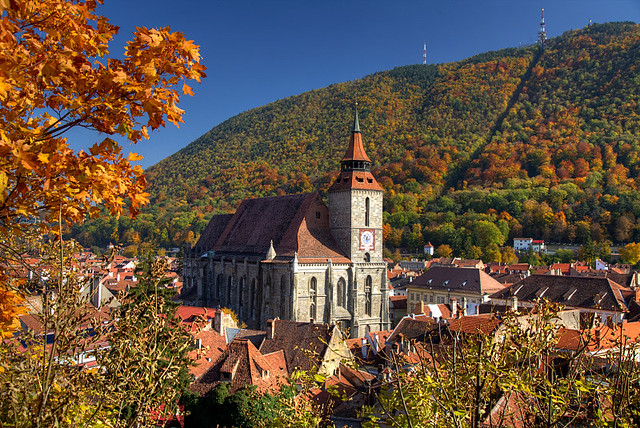
Brașov is one of the best bases for exploring Transylvania in autumn. Its historic center is surrounded by the Carpathian Mountains, giving you easy access to both medieval architecture and seasonal mountain scenery. Walk through the Old Town around Piața Sfatului (Council Square), then head toward Tâmpa Mountain for views over the city and surrounding forests. The combination of colorful buildings and autumn foliage makes Brașov particularly photogenic in October.
Bran Castle: Castles and Dracula Atmosphere
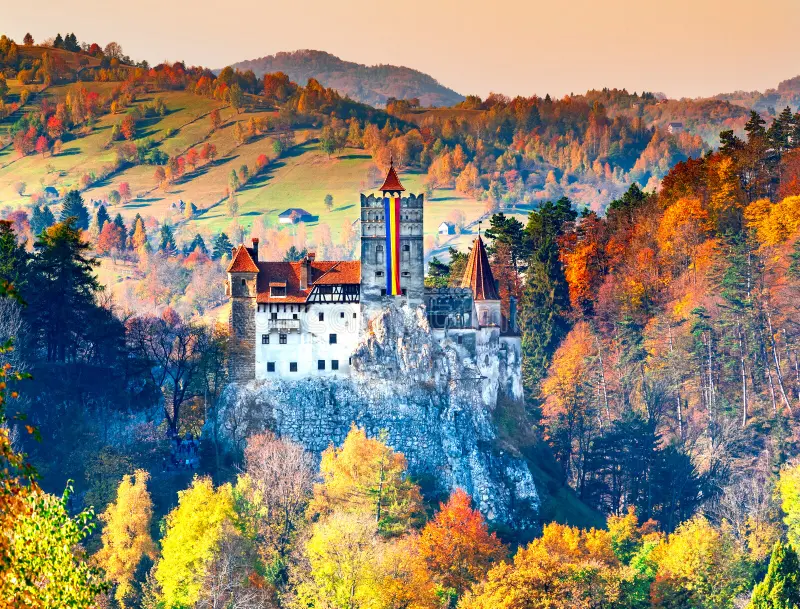
Bran Castle is one of Transylvania's most recognizable landmarks and is closely associated with the Dracula legend. While its historical connection to Bram Stoker's fictional character is limited, the castle's Gothic appearance and mountain setting make it a natural stop on an autumn trip. Visiting in October adds another layer to the experience, especially for travelers interested in Halloween. The surrounding forests also provide seasonal scenery that complements the castle's dramatic setting.
Sighișoara: Medieval Streets and Fall Colors
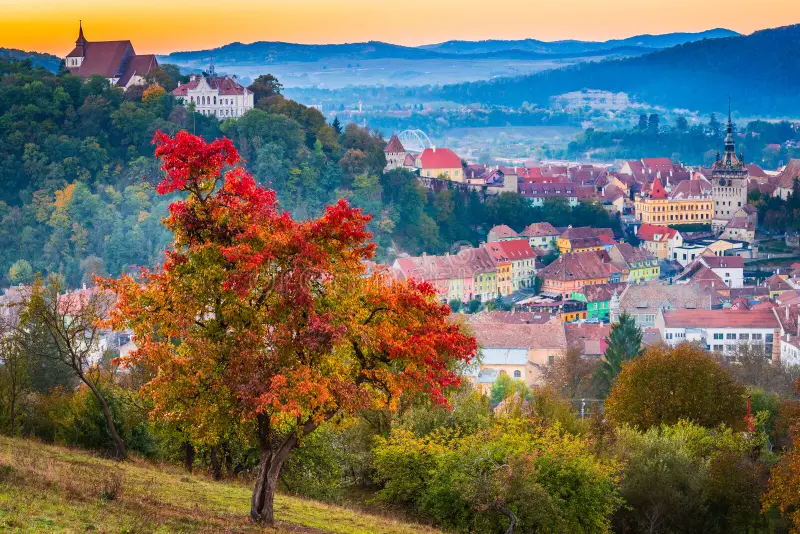
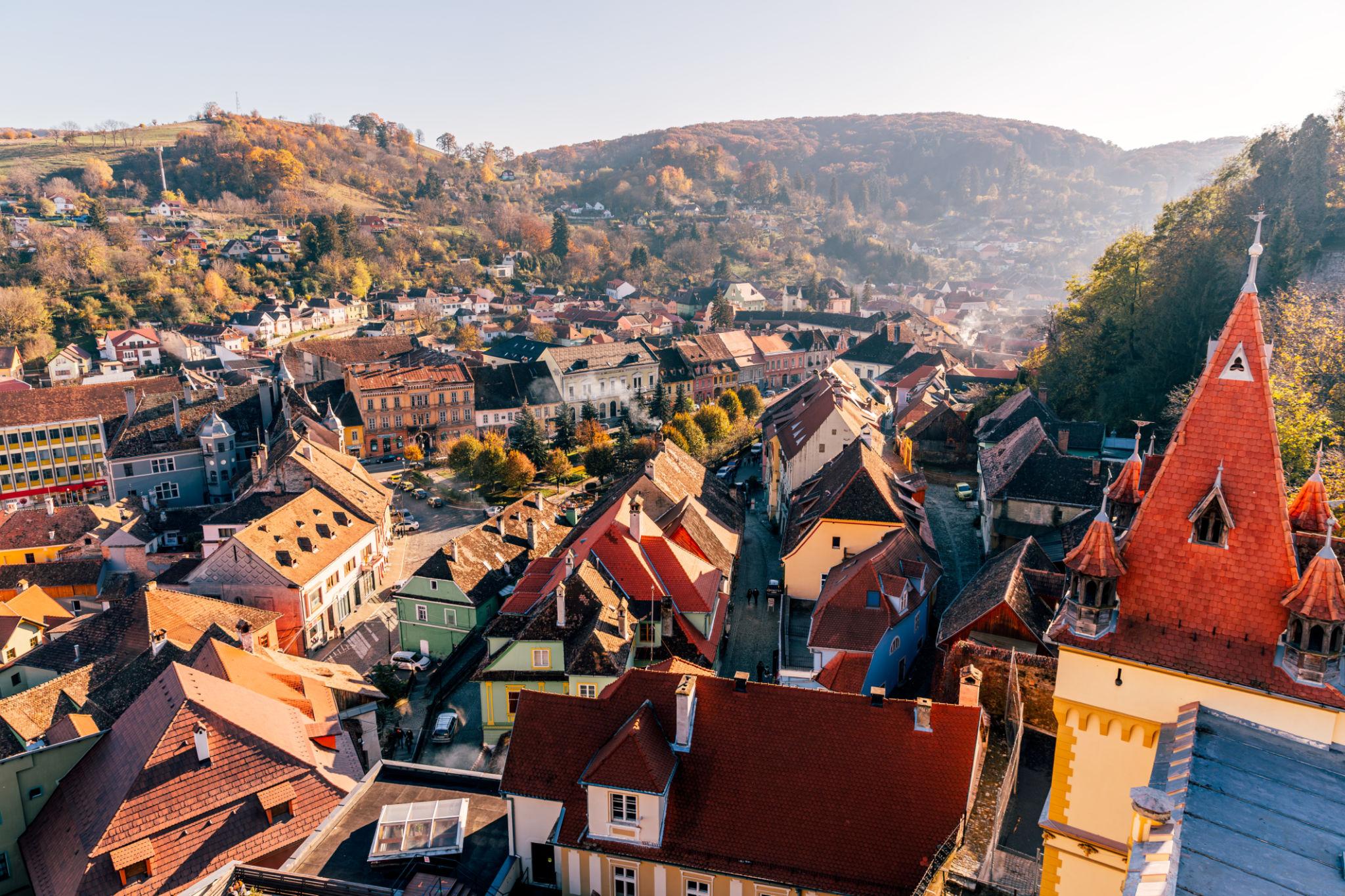
Sighișoara is known for its remarkably well-preserved medieval citadel, colorful buildings, and cobbled streets. Its compact historic center makes it easy to explore on foot without needing a packed itinerary. The Clock Tower, Citadel Square, and covered Scholar's Stairs are among the highlights. In autumn, the surrounding trees add warm colors to the historic streets, while cooler temperatures make walking around the citadel more comfortable.
Piatra Craiului: Mountain Scenery and Hiking
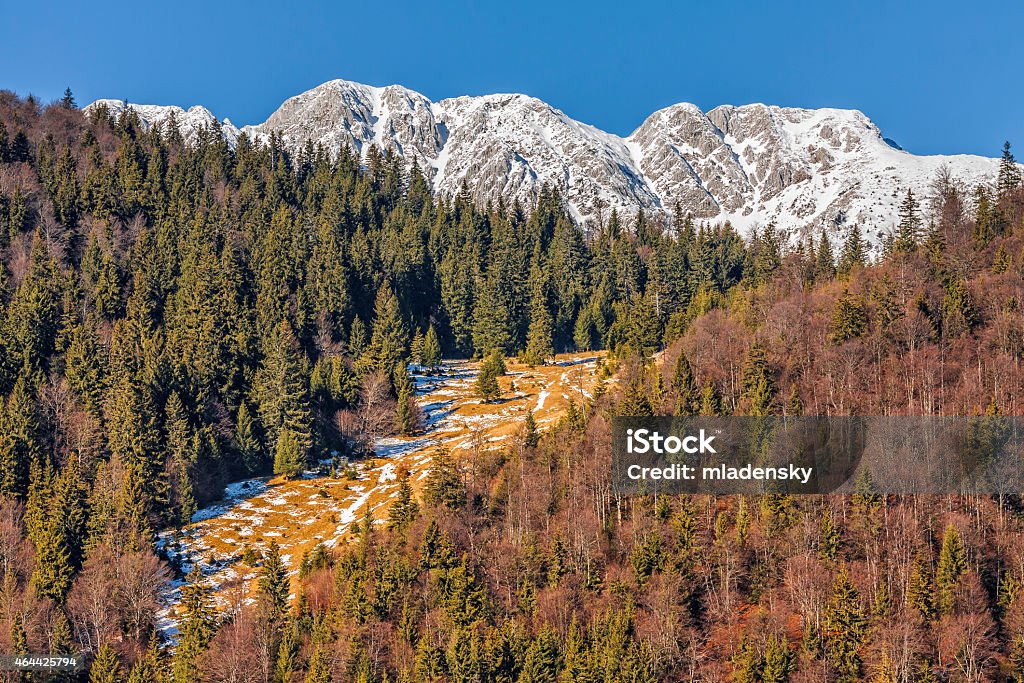
For a stronger focus on nature, head toward Piatra Craiului National Park, west of Brașov. The area is known for rugged limestone peaks, forested slopes, and hiking routes through the Carpathians. Autumn is particularly appealing for travelers who want to see fall foliage away from urban areas. Because conditions can change quickly in the mountains, check the weather and trail conditions before setting out, and choose a route appropriate for your experience level.
Transylvanian Countryside: A Slower Side of Autumn
Beyond the major tourist attractions, the countryside offers a quieter way to experience the season. Villages, hay fields, rolling hills, and forested landscapes create a different perspective from the region's castles and historic centers. A rental car or organized day tour can make it easier to reach rural areas that are less accessible by public transport. This is also where having mobile data can be particularly useful for navigation, checking weather conditions, and finding services along the way.
When Is the Best Time to See Autumn in Transylvania?
The best time to visit Transylvania for autumn scenery is generally late September through October, although the exact timing varies by elevation, location, and weather. Higher mountain areas can change color earlier, while towns and lower-altitude areas may remain greener into October.
| Period | What to Expect | Best For |
|---|---|---|
| Early September | Mild temperatures, mostly green landscapes, fewer tourists | Hiking and outdoor activities |
| Late September–Early October | Autumn colors begin appearing, comfortable daytime temperatures | Mountain scenery and sightseeing |
| Mid–Late October | Strongest fall atmosphere, colorful forests, cooler temperatures | Fall foliage and photography |
| November | Colder weather, fewer visitors, shorter daylight hours | Quiet city breaks and atmospheric sightseeing |
September: Mild Weather and Outdoor Activities
September is a good choice if you want to spend more time outdoors without the colder conditions of late autumn. Many landscapes are still green early in the month, but higher-altitude areas can begin showing autumn colors toward the end of September.
This period works particularly well for hiking and exploring the countryside, especially if fall foliage is not your only priority.
October: The Best Month for Autumn Scenery
October is generally the strongest choice for travelers specifically looking for fall colors. Forested mountain areas become more colorful, while historic towns offer a combination of autumn scenery and cooler sightseeing conditions.
The second half of October can also be appealing for travelers interested in Halloween and the darker, more atmospheric side of Transylvania.
November: Quieter but Colder
By November, many trees have already lost their leaves, particularly at higher elevations. Daylight hours are shorter, and mountain weather can become less predictable.
However, November can work well for a quieter city-focused trip. If your priorities are medieval towns, museums, cafés, and historic attractions rather than peak fall foliage, the lower visitor numbers can be an advantage.
Tip: If seeing autumn colors is your main goal, don't rely on a fixed calendar date. Check recent local foliage conditions and weather forecasts before finalizing hiking routes or scenic drives, as the peak can shift from year to year.
How to Explore Transylvania in Autumn
The best way to explore Transylvania depends on whether you plan to visit mainly historic towns or venture into mountain and rural areas. Trains and buses can cover major destinations, while a rental car offers more flexibility for countryside stops and scenic routes.
Train: Best for Traveling Between Major Towns
Trains are a practical option for connecting larger destinations such as Brașov, Sighișoara, and Sibiu. They allow you to avoid driving and can be convenient when your itinerary focuses on historic city centers.
Check departure times and travel duration before setting out, as journey times can vary by route. If you are traveling during a busy period, booking ahead can also make your schedule easier to manage.
Rental Car: Best for Mountains and Countryside
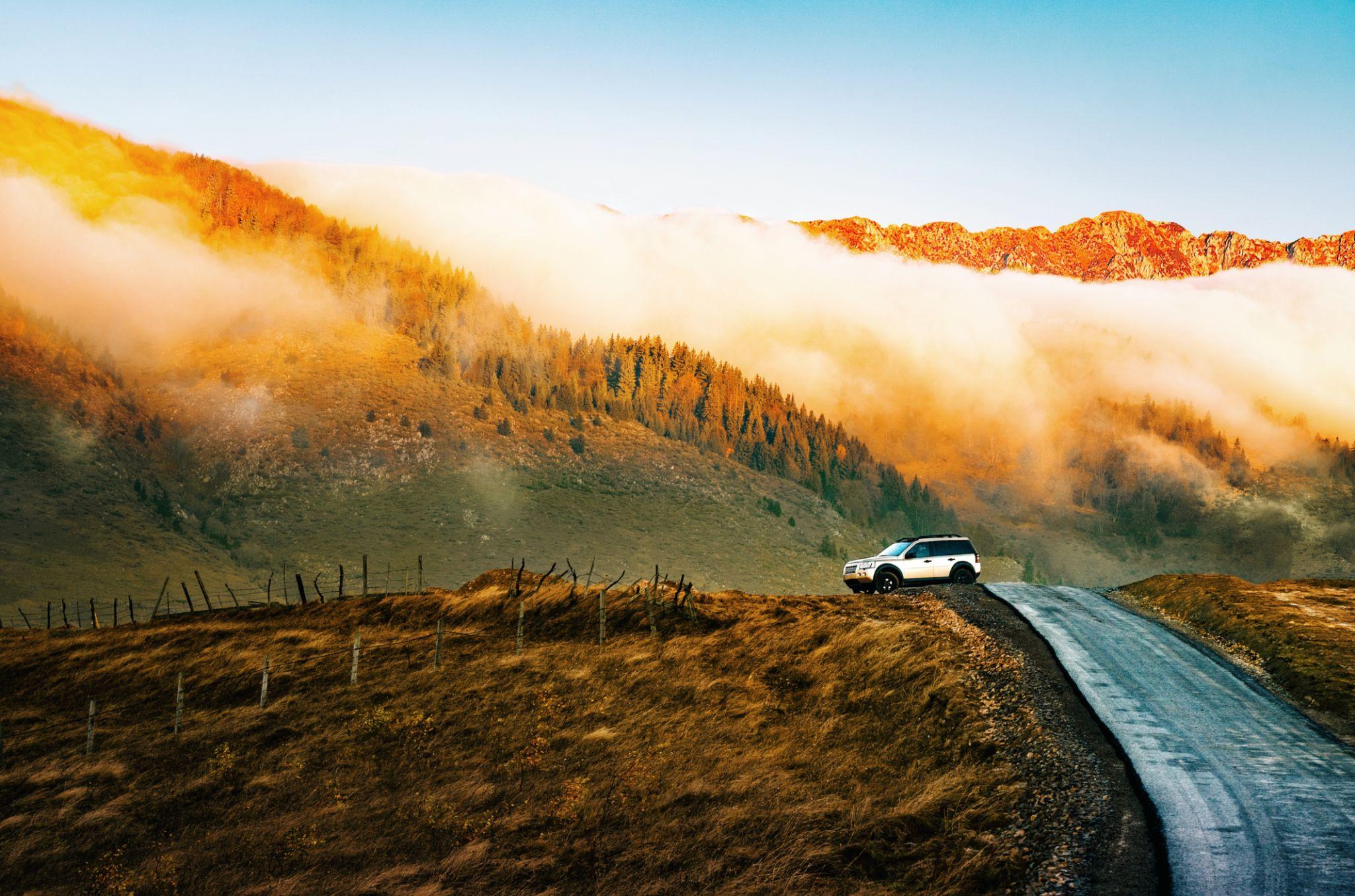
A rental car gives you more flexibility if your trip includes national parks, rural villages, or viewpoints that are difficult to reach by public transport. It also lets you stop along the way when you find a scenic autumn landscape.
However, mountain roads can be affected by rain, fog, or early-season snow. Check local weather and road conditions before driving, and avoid planning overly tight schedules between destinations.
Day Tours: A Convenient Option for Short Trips
If you are staying in Brașov or another major town and do not want to drive, organized day tours can be useful for visiting attractions outside the city. They can combine several stops in one day and remove the need to coordinate different transport connections.
This option is particularly useful for travelers who have limited time or want to visit destinations that are less convenient to reach independently.
Staying Connected While Exploring Transylvania
A Transylvania trip often involves moving between historic towns, mountain areas, and rural roads. Having reliable mobile data can make it easier to navigate, check travel information, and adjust plans while you are on the move.
Navigation and Maps
Use mobile data to access navigation apps, find routes, locate parking areas, and adjust your journey when plans change. If you are heading into the mountains or countryside, download offline maps in advance as a backup.
Transport and Travel Information
When traveling by train or bus, mobile data lets you check schedules, delays, and route changes without depending on public Wi-Fi. It is also useful for finding your accommodation, restaurants, and meeting points after arriving in a new town.
Weather and Outdoor Activities
Mountain weather can change quickly in autumn. Checking live forecasts before and during a hike can help you decide whether to continue, change your route, or return earlier. Mobile data also gives you a way to contact your accommodation or travel companions when needed.
Why Use a Travel eSIM
A travel eSIM lets you use mobile data abroad without removing your primary physical SIM card. You can keep your regular SIM active for calls or messages while using the eSIM for data, depending on your carrier and device settings.
For travelers visiting Romania, ByteSIM's Romania eSIM provides mobile data without requiring a physical SIM swap. You can install the eSIM before departure and activate it when you arrive, making it easier to stay connected as you travel between cities, castles, and the Carpathian countryside.
Before purchasing: Check that your phone supports eSIM and is unlocked. You should also compare the plan's coverage, validity period, data allowance, and hotspot policy with your itinerary.
Exploring Transylvania this autumn?
Stay connected with ByteSIM Romania eSIM — mobile data for navigation, weather updates, and travel info.
Explore ByteSIM eSIM →What to Pack for Transylvania in Autumn
Autumn weather in Transylvania can vary considerably between towns and mountain areas. Packing for changing temperatures and occasional rain will make it easier to combine sightseeing with outdoor activities.
- Layered Clothing: Temperatures can be comfortable during the day but noticeably colder in the morning and evening. Pack several lightweight layers so you can adjust throughout the day instead of relying on one heavy jacket.
- Waterproof Shoes: If you plan to hike or explore rural areas, choose shoes with good grip and some water resistance. Autumn rain can make forest paths and unpaved trails muddy.
- Rain Jacket: A compact waterproof jacket is useful for both city sightseeing and outdoor activities. It takes up less space than a heavy coat and provides an extra layer when weather conditions change.
- Power Bank: Navigation, photography, translation, and travel apps can drain your phone battery faster than usual. A power bank is especially useful when spending several hours outdoors or driving between remote locations.
- Offline Maps: Download maps for your planned destinations before leaving reliable Wi-Fi. This provides a backup if your connection becomes weak in mountainous or rural areas.
- Travel eSIM: A travel eSIM can provide mobile data for navigation, weather updates, transport information, and communication without requiring you to replace your primary SIM card. If you plan to use a Romania eSIM, install it before departure and check the activation instructions before your trip.
FAQ
Is Transylvania suitable for a first trip to Romania?
Yes. Transylvania offers a mix of historic towns, castles, mountain scenery, and countryside within a relatively compact region. It can work well as a standalone trip or as part of a longer Romania itinerary.
Is Transylvania only worth visiting for Dracula-related attractions?
No. The Dracula legend is one part of the region's appeal, but Transylvania also offers medieval architecture, fortified towns, hiking, mountain landscapes, and traditional rural scenery. You can easily plan a trip without making Dracula-themed attractions the main focus.
Is Transylvania good for a romantic autumn getaway?
Yes. The combination of colorful forests, historic architecture, mountain views, and atmospheric towns makes the region well suited to couples looking for a quieter European getaway. Staying in a historic town and taking day trips into the surrounding countryside can provide a good balance of sightseeing and relaxation.
Do you need to speak Romanian to travel around Transylvania?
Not necessarily. English is commonly used in tourist-oriented hotels, restaurants, and attractions, although you may encounter fewer English speakers in smaller towns and rural areas. Having a translation app available can be helpful when communicating outside major tourist areas.
©Transylvania Autumn Travel Guide — Experience fall in the heart of Romania.