

Planning a trip to New Zealand's South Island can be challenging when you have limited time. The island is known for dramatic mountains, alpine lakes, fjords, and outdoor adventures, but the best places to visit offer very different experiences.
If you're visiting for the first time, three destinations stand out: Queenstown for adventure and lake scenery, Aoraki / Mount Cook for alpine landscapes and hiking, and Milford Sound for fjords, waterfalls, and wildlife. This guide covers what to do in each place, how long to stay, and how to plan a route between them.
1. Queenstown
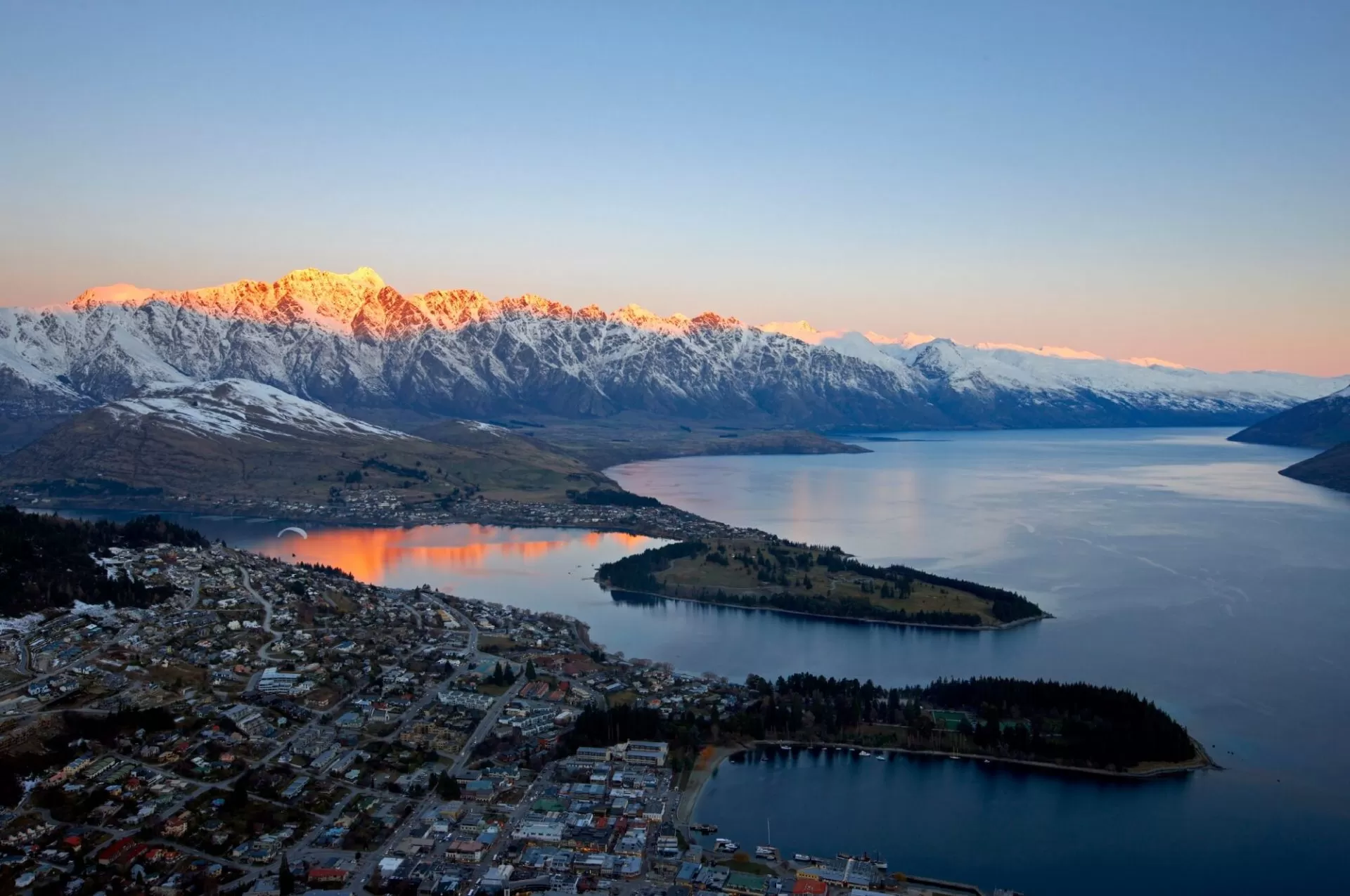
Queenstown is one of the best bases for exploring New Zealand's South Island, combining Lake Wakatipu, alpine scenery, and outdoor adventure in one destination. It works well for both active travelers and those who want to enjoy the landscape without committing to long hikes.
What to Do in Queenstown
- Explore Lake Wakatipu: Walk along the lakefront or take a cruise to see the surrounding mountains from the water.
- Take the Skyline Gondola: Ride up to Bob's Peak for panoramic views over Queenstown, Lake Wakatipu, and the Southern Alps.
- Try an adventure activity: Queenstown is known for activities such as bungee jumping, jet boating, and skydiving. Book ahead during busy travel periods.
- Go hiking or walking: Choose from short lakeside walks to longer trails in the surrounding mountains, depending on your fitness level and available time.
How Many Days Do You Need in Queenstown?
Plan for 2–3 days if you want to experience the main sights and include at least one outdoor activity. Two days can cover the town, Lake Wakatipu, and a major attraction, while three days gives you more flexibility for hiking or adventure activities.
Why Visit Queenstown?
Queenstown is particularly useful as a starting point for a South Island road trip because it combines scenery, outdoor activities, restaurants, accommodation, and transport options in one well-developed tourist hub. It also provides a convenient base for exploring other parts of the region.
2. Aoraki / Mount Cook
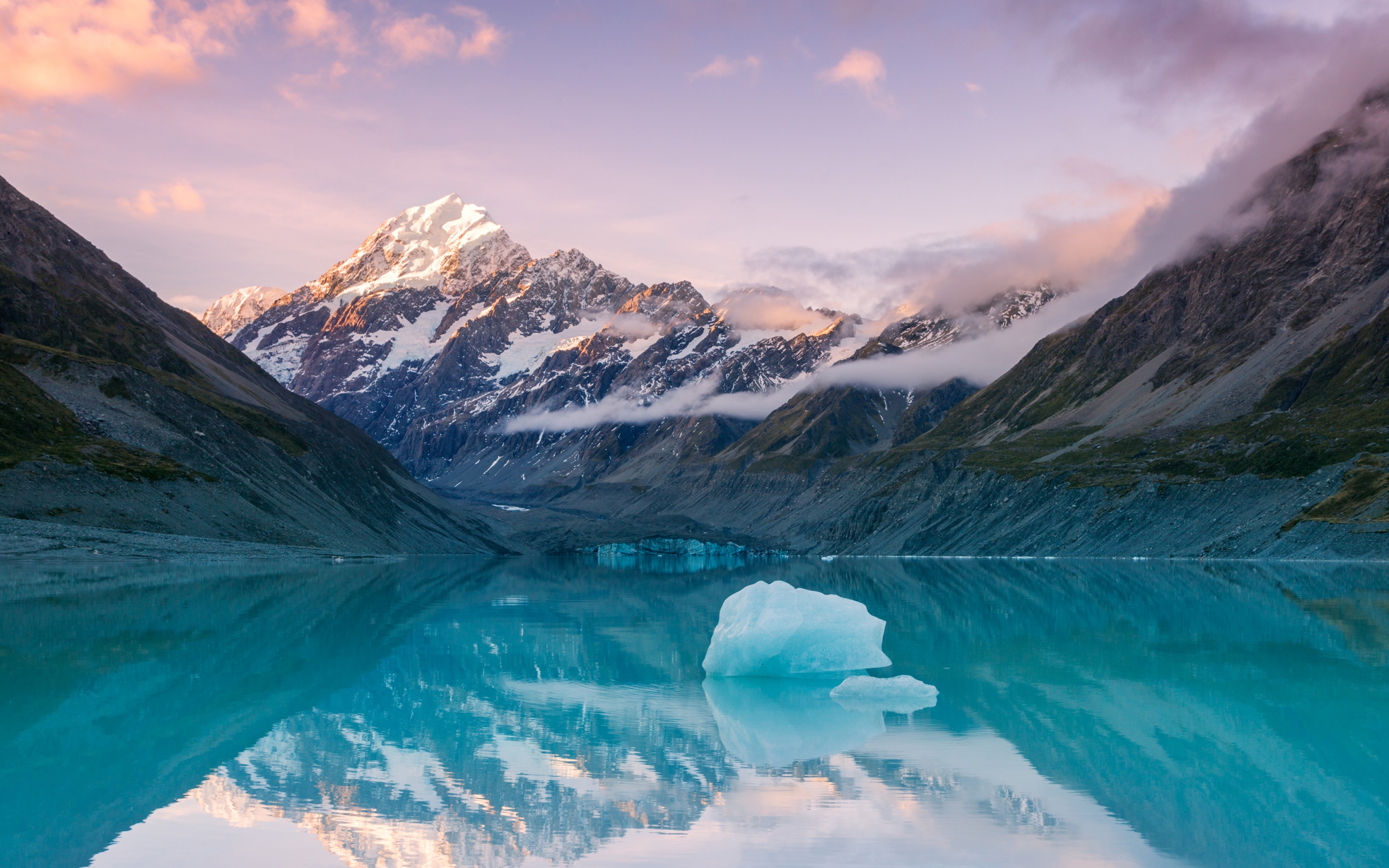
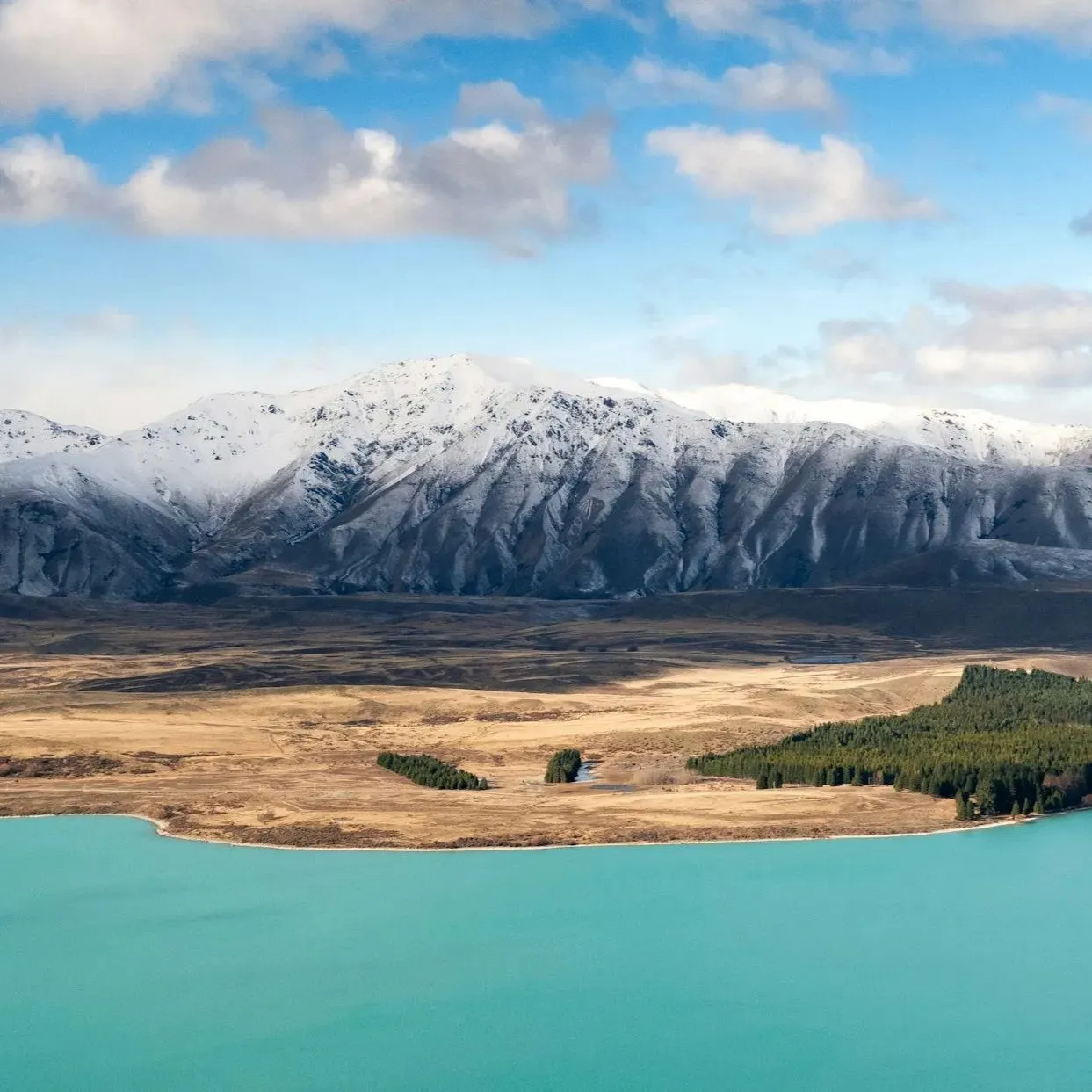
Aoraki / Mount Cook is New Zealand's highest mountain and one of the South Island's most distinctive alpine destinations. The surrounding national park is known for glaciers, rugged peaks, turquoise lakes, and wide-open mountain views, making it a strong choice for travelers who want to focus on nature and hiking.
What to Do Around Aoraki / Mount Cook
- Walk the Hooker Valley Track: This popular trail offers views of Aoraki / Mount Cook, glaciers, and the surrounding valley. Check current track conditions before setting out.
- See Aoraki / Mount Cook: Several viewpoints around the national park provide clear views of the mountain when weather conditions allow.
- Explore the alpine landscape: Shorter walks and viewpoints make it possible to experience the scenery without committing to a full-day hike.
- Go stargazing: The Aoraki Mackenzie region is internationally recognized for its dark skies, making clear nights particularly suitable for stargazing.
How Many Days Do You Need?
Allow 1–2 days for Aoraki / Mount Cook. One full day can work if you mainly want to see the scenery and complete a shorter walk. Staying overnight gives you more flexibility if weather affects your plans and allows time for additional trails or stargazing.
What to Know Before Visiting
- Check the weather and track conditions: Mountain weather can change quickly, and conditions may affect visibility or hiking access.
- Bring water and sun protection: Some trails have limited shade and services, so carry enough water and protect yourself from strong UV exposure.
- Plan for limited connectivity: Mobile coverage can be less consistent in remote alpine areas. Download offline maps and keep important travel information available before heading out.
- Allow extra time: Road conditions, weather, and scenic stops can make the journey take longer than expected, especially when driving between destinations.
3. Milford Sound
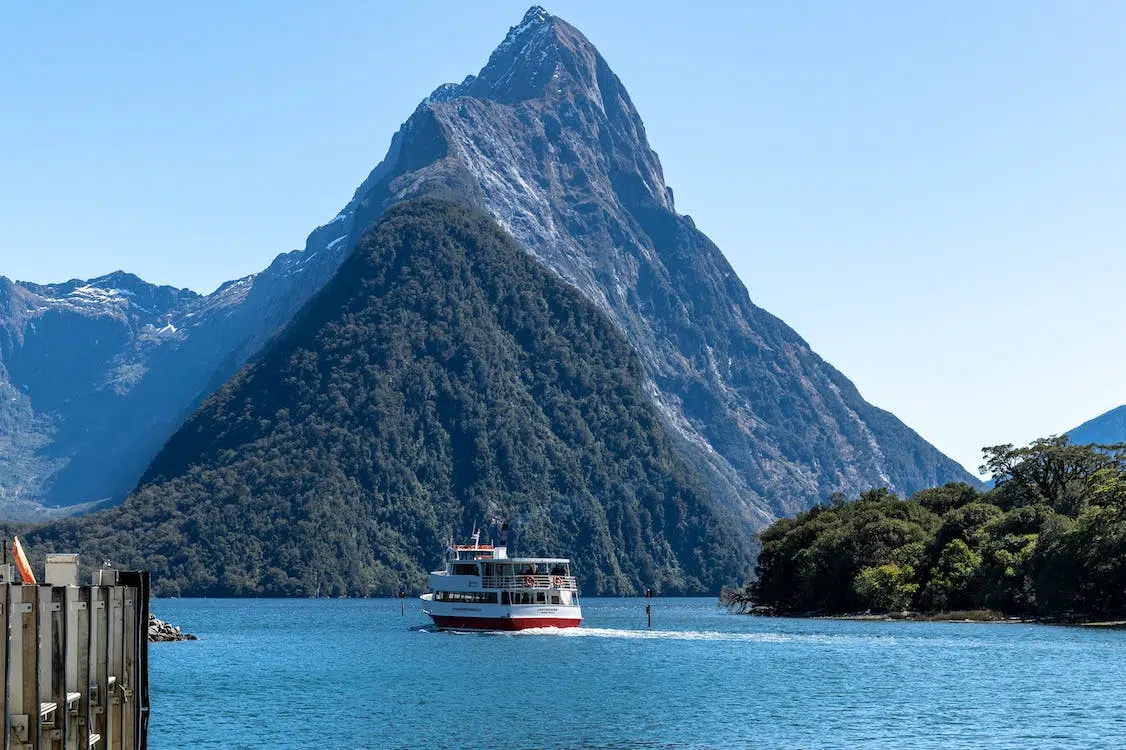
Milford Sound is one of the South Island's most distinctive natural attractions, known for steep-sided fjords, waterfalls, rainforest, and marine wildlife. Unlike Queenstown and Aoraki / Mount Cook, the main experience here is seeing the landscape from the water, making a scenic cruise the most common way to explore the area.
What to Do in Milford Sound
- Take a scenic cruise: Cruises travel through the fjord and provide close views of cliffs, waterfalls, and surrounding peaks.
- See the waterfalls: Rainy weather can create additional temporary waterfalls along the steep rock faces, while major waterfalls remain visible throughout the year.
- Look for wildlife: Seals are commonly seen around the fjord, while dolphins and other marine wildlife may also appear.
- Enjoy the drive: The road to Milford Sound passes through dramatic mountain scenery, tunnels, valleys, and viewpoints, so allow time for stops along the way.
How to Get to Milford Sound
Your best option depends on how much flexibility you want and whether you plan to drive.
| Option | Best For |
|---|---|
| Self-drive | Travelers who want flexibility and scenic stops |
| Coach tour | Travelers who prefer not to drive or navigate the route themselves |
| Scenic flight | Travelers with limited time who want an aerial view of the surrounding landscape |
If you drive, allow extra time for the route and check road conditions before leaving. The journey itself is part of the experience, but weather and traffic can affect travel times.
How Much Time Do You Need?
A day trip is enough to experience Milford Sound on a cruise and see the main scenery, particularly if you're based in Queenstown or Te Anau. An overnight stay gives you more flexibility and reduces the need to rush through the long journey.
When Is the Best Time to Visit New Zealand's South Island?
The best time to visit New Zealand's South Island depends on what you want to do. Summer offers longer daylight and generally milder conditions for hiking and road trips, while winter brings snow and alpine scenery. Autumn is a good option for fall colors and quieter travel, and spring brings longer days, waterfalls, and fewer visitors than the peak summer period.
| Season | Month | What to Expect | Best For |
|---|---|---|---|
| Summer |
Dec–Feb | Mild weather and long daylight hours | Hiking, road trips, outdoor activities |
| Autumn |
Mar–May | Cooler temperatures and fall colors | Scenic drives, photography, hiking |
| Winter |
Jun–Aug | Snow and alpine landscapes | Skiing, winter scenery, snow activities |
| Spring |
Sep–Nov | Longer days, fresh vegetation, and seasonal waterfalls | Hiking, nature, fewer crowds |
For a trip that combines Queenstown, Aoraki / Mount Cook, and Milford Sound, summer is generally the easiest season for outdoor activities and long driving days. However, mountain weather can change quickly at any time of year, so check local forecasts and road or track conditions before setting out.
How to Plan a South Island Trip Around These 3 Places
If you want to visit Queenstown, Aoraki / Mount Cook, and Milford Sound on the same trip, plan the route around driving time and activity days rather than simply trying to fit all three destinations into consecutive days. This gives you more flexibility when weather or road conditions change.
Suggested Route
Queenstown → Aoraki / Mount Cook → Milford Sound
This route works well if Queenstown is your arrival point. From Queenstown, you can travel toward Aoraki / Mount Cook before returning south toward Te Anau and continuing to Milford Sound. However, Milford Sound is not a simple stop between Queenstown and Mount Cook. Its remote location means you should allow enough time for the journey, especially if you are driving yourself.
How Many Days Do You Need?
| Trip Length | What You Can Cover |
|---|---|
| 5–7 days | All three destinations with a relatively fast pace |
| 8–10 days | More time for hiking, activities, and scenic stops |
| 10+ days | A slower road trip with additional stops along the route |
With 5–7 days, prioritize the main experience in each destination and avoid adding too many detours. With 8–10 days, you have more flexibility to adjust your plans around weather and spend extra time outdoors.
If you have more than 10 days, you can add nearby destinations such as Wanaka or Lake Tekapo without significantly changing the core route. These are optional additions rather than essential stops for a three-destination itinerary.
How to Stay Connected on a South Island Road Trip
Mobile data is useful on a South Island road trip, especially when you're driving between remote areas and changing destinations frequently. A reliable connection can help with navigation, weather updates, accommodation details, and finding services along the route.
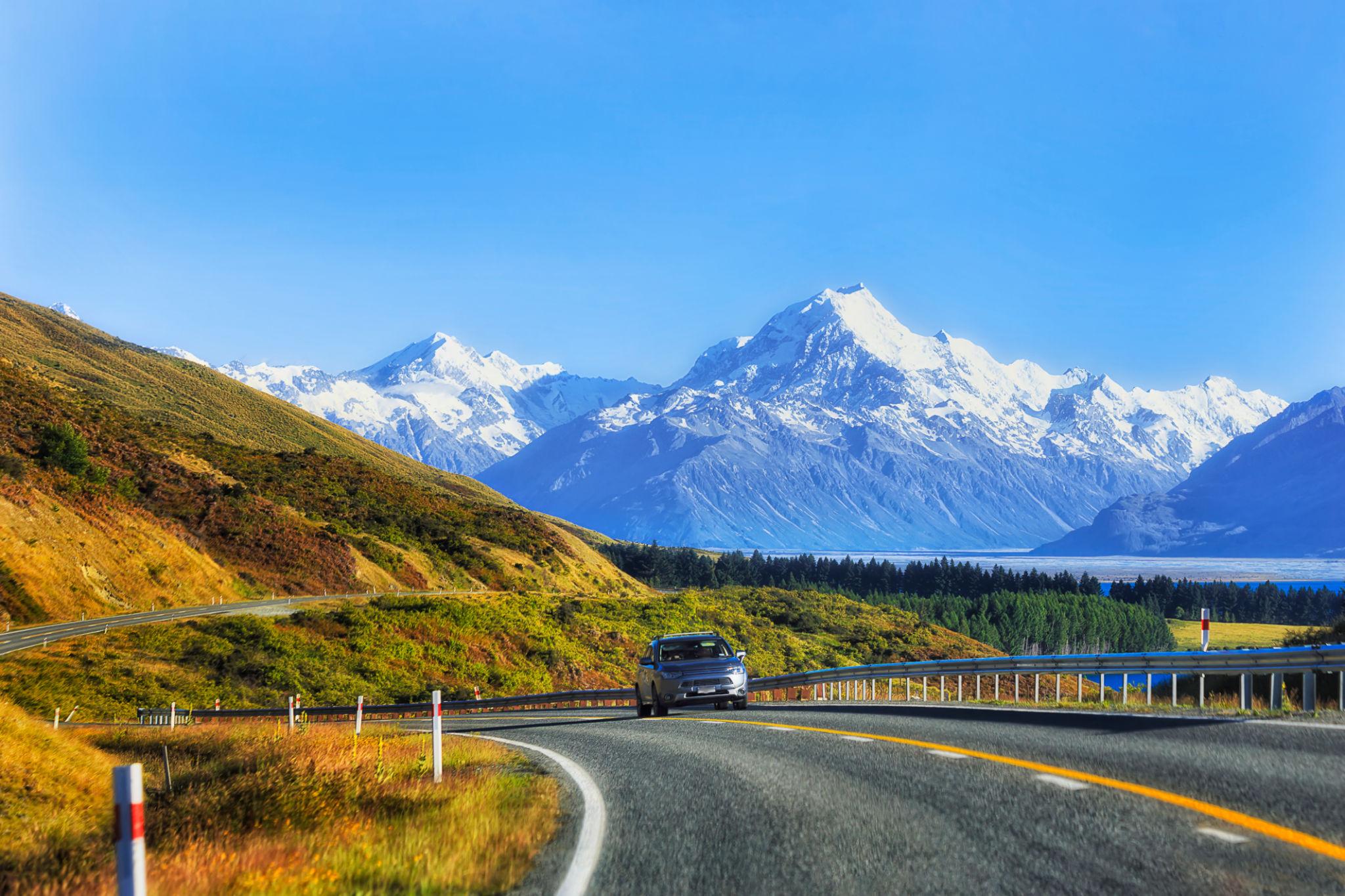
Why Mobile Data Is Useful
You may need mobile data to:
- Use GPS navigation: Get directions, check your route, and find alternative roads when conditions change.
- Check weather and road conditions: Mountain weather can change quickly, so checking forecasts before and during a drive is important.
- Manage bookings: Access accommodation, attraction, and tour reservations while traveling.
- Find fuel and services: Locate nearby petrol stations, supermarkets, restaurants, and other essential services.
- Stay in contact: Use messaging, calls over supported apps, or emergency communication when needed.
Where Connectivity Can Be Limited
Mobile coverage is not continuous across the South Island. Remote mountain areas, national parks, and sections of long-distance roads can have limited or no cellular service, including parts of the routes around Aoraki / Mount Cook and Milford Sound.
For this reason, don't rely on mobile data as your only source of navigation or travel information. Download offline maps, save important booking details, and check weather and road conditions before entering areas where coverage may be limited.
Travel eSIM vs. Local SIM
For a short trip, a travel eSIM can avoid the need to find and install a physical SIM after arrival. A local SIM may be more suitable if you need a New Zealand phone number or plan to stay for a longer period.
| Travel eSIM | Local SIM | |
|---|---|---|
| Setup | Can usually be installed before departure | Usually purchased after arrival |
| Physical SIM | Not required | Required |
| Local number | Depends on the plan | Usually available |
| Convenience | Useful for short trips | Useful for longer stays or local calling |
What to Check Before Buying a New Zealand eSIM
Before purchasing an eSIM for a South Island road trip, check:
- Network coverage: Confirm which local network the eSIM uses and whether it covers the areas on your route.
- Data allowance: Make sure the plan provides enough data for navigation, browsing, messaging, and other daily use.
- Hotspot support: Check whether tethering is allowed if you plan to connect another device.
- Validity period: Choose a validity period that covers your entire trip, including the arrival and departure days.
- Activation rules: Check when the validity period starts and whether you need to install or activate the eSIM within a specific timeframe.
- Device compatibility: Confirm that your phone supports eSIM and is carrier-unlocked before purchasing.
Road-tripping New Zealand?
Stay connected with ByteSIM New Zealand eSIM — mobile data for navigation, weather updates, and bookings.
Explore ByteSIM eSIM →What to Pack for a South Island Trip
Packing for the South Island depends on your itinerary and season, but a few items are particularly useful when you're combining road trips, hiking, and remote areas.

- Offline maps: Download maps for your driving routes and hiking areas before leaving areas with reliable mobile coverage.
- Power bank: Useful during long drives, hikes, or when access to a power outlet is limited.
- Reusable water bottle: Carry enough water for hikes, especially on trails with limited facilities.
- Hiking essentials: Bring suitable footwear, a small daypack, and basic hiking supplies if you plan to explore trails around Aoraki / Mount Cook.
- Weatherproof outer layer: Conditions can change quickly in alpine areas, so a waterproof and wind-resistant layer is useful even during warmer months.
- Car charger: Keeps your phone powered while using GPS navigation during long drives.
- Travel adapter: New Zealand uses Type I electrical outlets, so travelers from countries with different plug types may need an adapter.
- Emergency and travel information: Keep accommodation details, booking confirmations, important contacts, and other essential information accessible offline.
South Island Travel Tips
A South Island road trip can involve long driving days, changing weather, and remote areas. Keep these practical considerations in mind when planning your itinerary.
- Check conditions before setting out. Review the latest weather forecast and road conditions before long drives or hikes.
- Start long drives early. Extra daylight gives you more flexibility for scenic stops and unexpected delays.
- Book popular activities in advance. Cruises, adventure activities, and other limited-capacity experiences can fill up during peak travel periods.
- Refuel before entering remote areas. Petrol stations can be widely spaced on some routes, so avoid waiting until the fuel tank is nearly empty.
- Build flexibility into your itinerary. Avoid scheduling important activities immediately after a long drive, and leave some buffer time for weather, road conditions, and unexpected delays.
FAQ
Is the South Island suitable for a first-time visit to New Zealand?
Yes. The South Island offers a mix of cities, alpine landscapes, fjords, hiking, and road-trip routes, making it possible to experience several types of scenery in one trip. For a first visit, focusing on a few destinations rather than trying to cover the entire island can make the itinerary more manageable.
Which South Island destination is best for hiking?
It depends on the type of hiking you want. Aoraki / Mount Cook is particularly suited to travelers looking for alpine trails and mountain scenery, while Queenstown offers a wider range of walks and hikes at different difficulty levels. Always check current track conditions before starting a hike.
Do you need a car to visit Milford Sound?
No. Milford Sound can be visited by organized coach tours, and scenic flights are another option. A rental car provides more flexibility for stopping along the route, but a tour can be more convenient if you don't want to manage a long drive.
Is mobile coverage available throughout New Zealand's South Island?
No network provides uninterrupted coverage across the entire South Island. Coverage can become less consistent in remote mountain areas, national parks, and sections of long-distance roads. Check the network used by your eSIM or SIM and plan for offline access when traveling through remote areas.
What should you do if your phone loses signal during a road trip?
If you're entering a remote area, prepare before losing coverage by downloading offline maps, saving accommodation and booking details, and checking weather and road conditions. If you have already lost service, continue using offline navigation and avoid relying on a live connection until you return to an area with coverage.
© New Zealand South Island Travel Guide — Queenstown, Mount Cook & Milford Sound.