Pull up Google Maps right now. That stretch of Adriatic coast sitting just above Greece says "Albania" in bold text. Try actually using that word when you order an espresso in Tirana, though. The barista will know what you mean, but it's not the word they use for themselves.
To locals, this piece of land is Shqipëria.
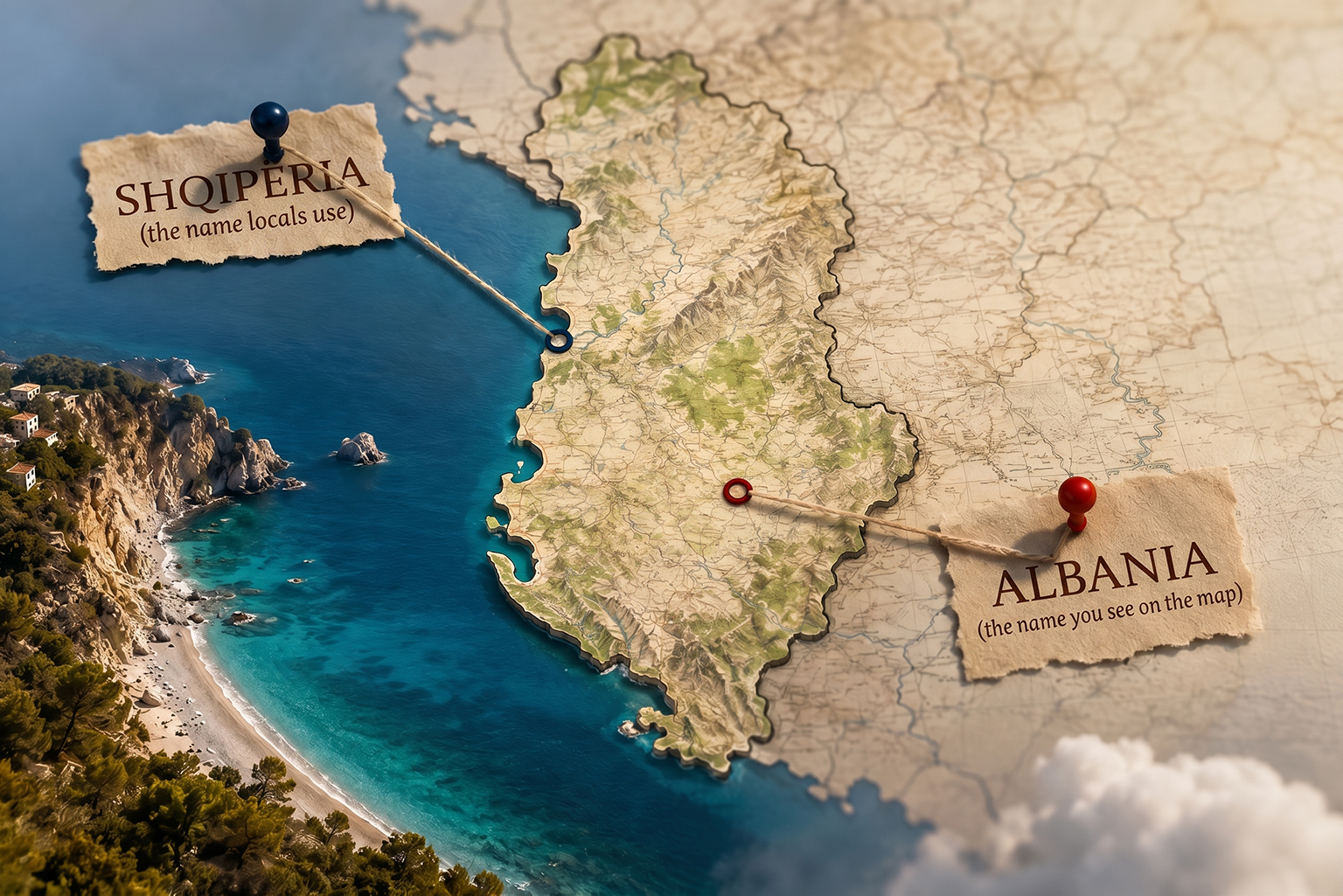
The disconnect is massive. How exactly did one country end up with a split personality? As this place fully takes over the European travel scene in 2026, understanding the name issue is the fastest way to get a read on the culture before your flight even takes off.
Quick Answer: Albania vs. Shqipëria at a Glance
Forget the dry history textbooks. Here is the 30-second breakdown of why this country essentially operates with a split identity.
| The Name | Who Actually Uses It | Where Did It Come From? |
|---|---|---|
| Shqipëria | Locals, ethnic Albanians, and everyday street conversation. | Translates roughly to "Land of the Eagles" (if you ask a local) or "people who speak clearly" (if you ask a linguist). |
| Albania | Foreigners, English maps, and your airline boarding pass. | Blame the ancient Greeks. A 2nd-century mapmaker noted an Illyrian tribe called the Albanoi. The West just kept using it. |
*Ptolemy, a 2nd-century geographer, recorded the Albanoi, an ancient group associated with the region. The name later spread through medieval and European usage and eventually became the international name “Albania.”
What Does Shqipëria Mean & Why Is Albania Called It
Grab a coffee in Tirana, ask the barista what their country’s name actually means, and you will often get the fiercely proud, undeniably badass translation: "Land of the Eagles."
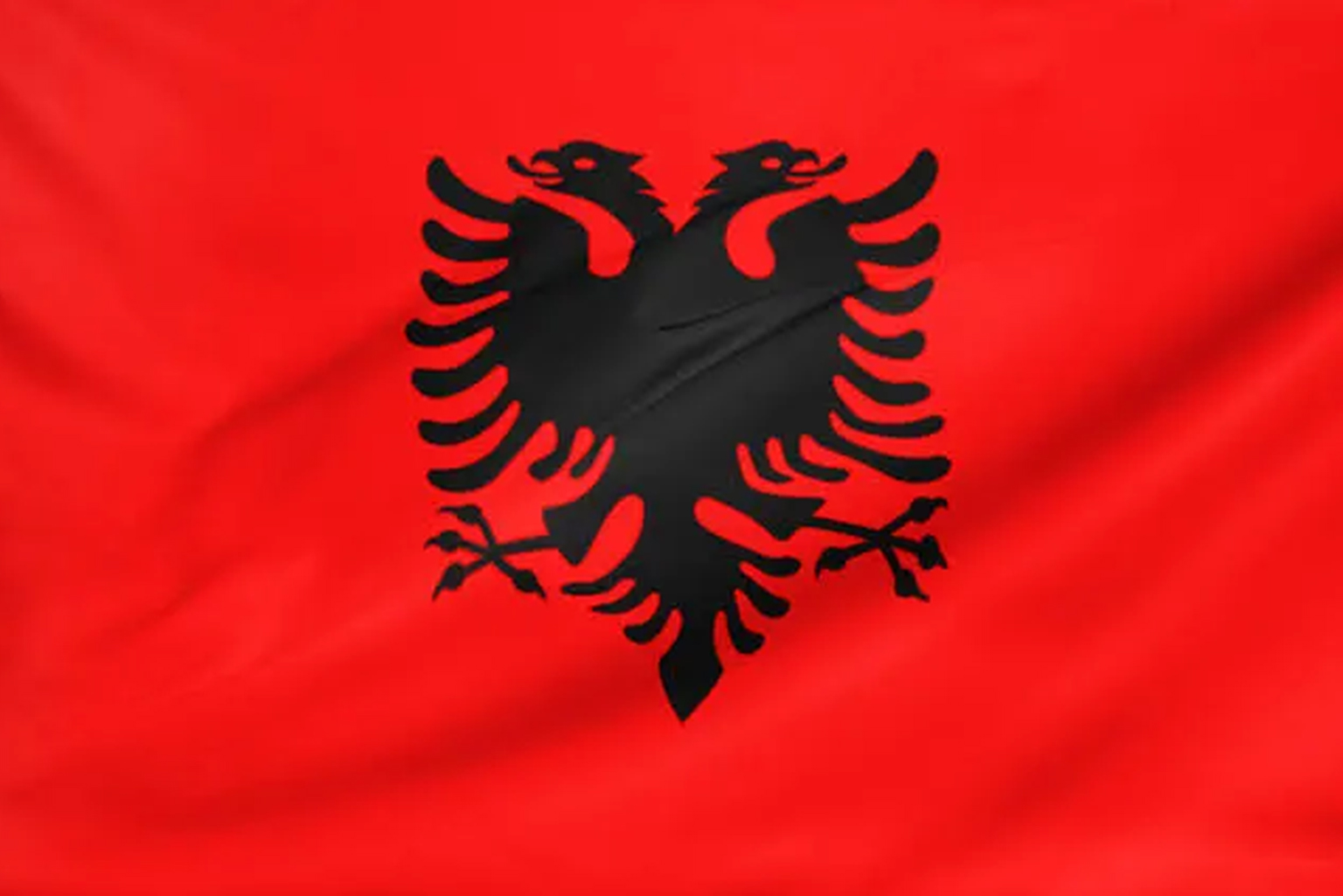
Visually, it makes total sense. The eagle is the ultimate cultural anchor here. Look at the national flag—a massive, aggressive black double-headed eagle slammed against a blood-red background. It traces straight back to the 15th-century military genius Skanderbeg, who used the symbol while stalling the Ottoman Empire's expansion. Today, that eagle represents a stubborn, unshakeable independence. You will see it tattooed on locals and flashed as a hand gesture at soccer games.
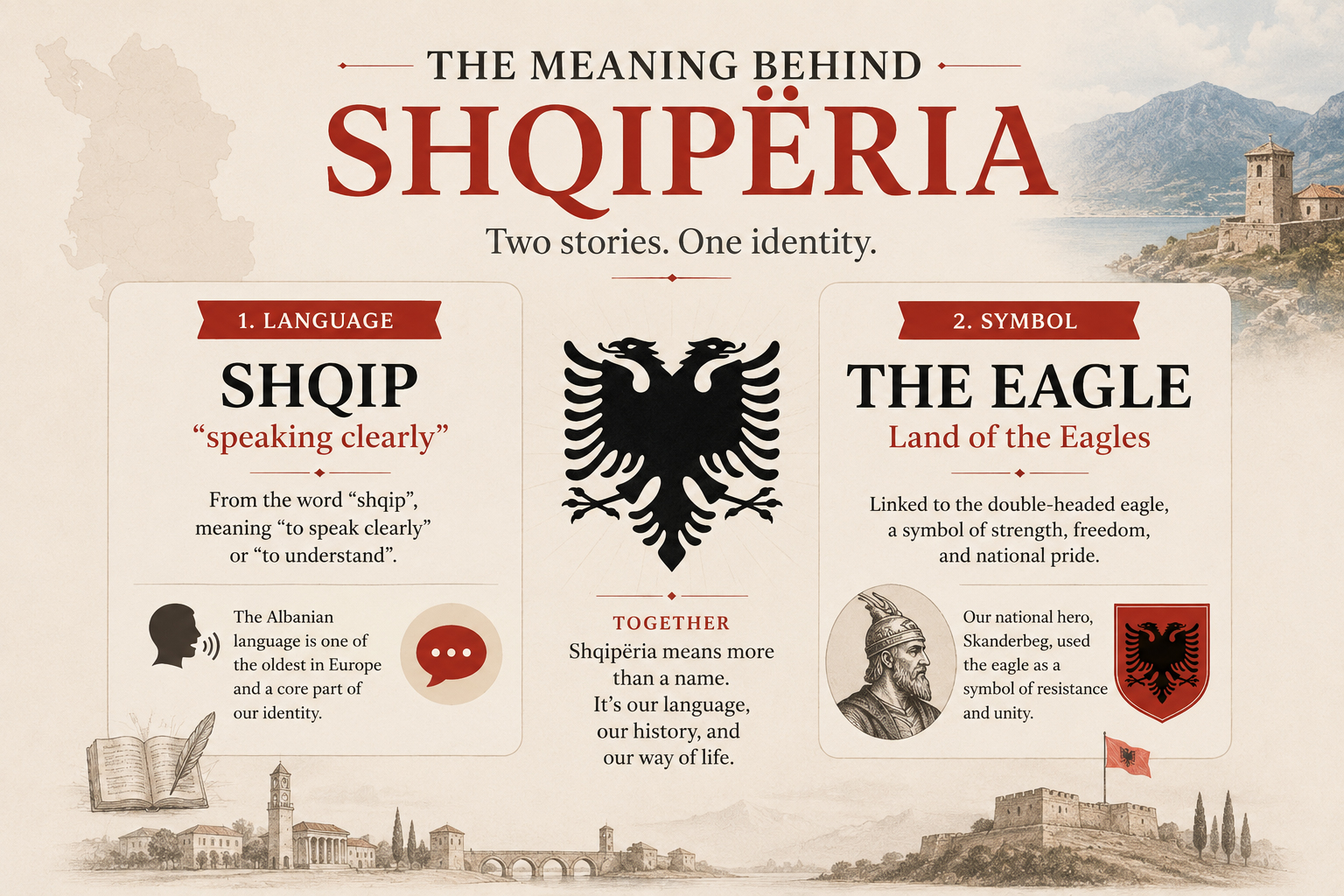
Linguists, however, completely ruin the romantic vibe.
Dive into the actual etymology, and the root word shqip has absolutely nothing to do with birds of prey. It translates closer to "speaking clearly." Think about the geography for a second. For centuries, the Balkans were a chaotic meat grinder of invading empires. Romans, Slavs, and Ottomans were constantly redrawing the borders. Surrounded entirely by foreign languages, calling yourselves Shqiptarë was basically a survival tactic. It literally meant: "We are the guys who can actually understand each other." It was a linguistic badge of honor in a sea of outsiders.
So why does your passport stamp say Albania?
Pure geographical laziness. Back in the 2nd century, the legendary mapmaker Ptolemy charted an Illyrian tribe called the Albanoi living near the modern coast. Venetian merchants and Western diplomats picked up the label because it was easier to pronounce. The rest of the English-speaking world just blindly ran with it for the next two thousand years. The locals simply ignored it, keeping their own name for themselves.
What is Albania Known For
Forget the complicated name for a second. A few very specific things define the reality on the ground right now.
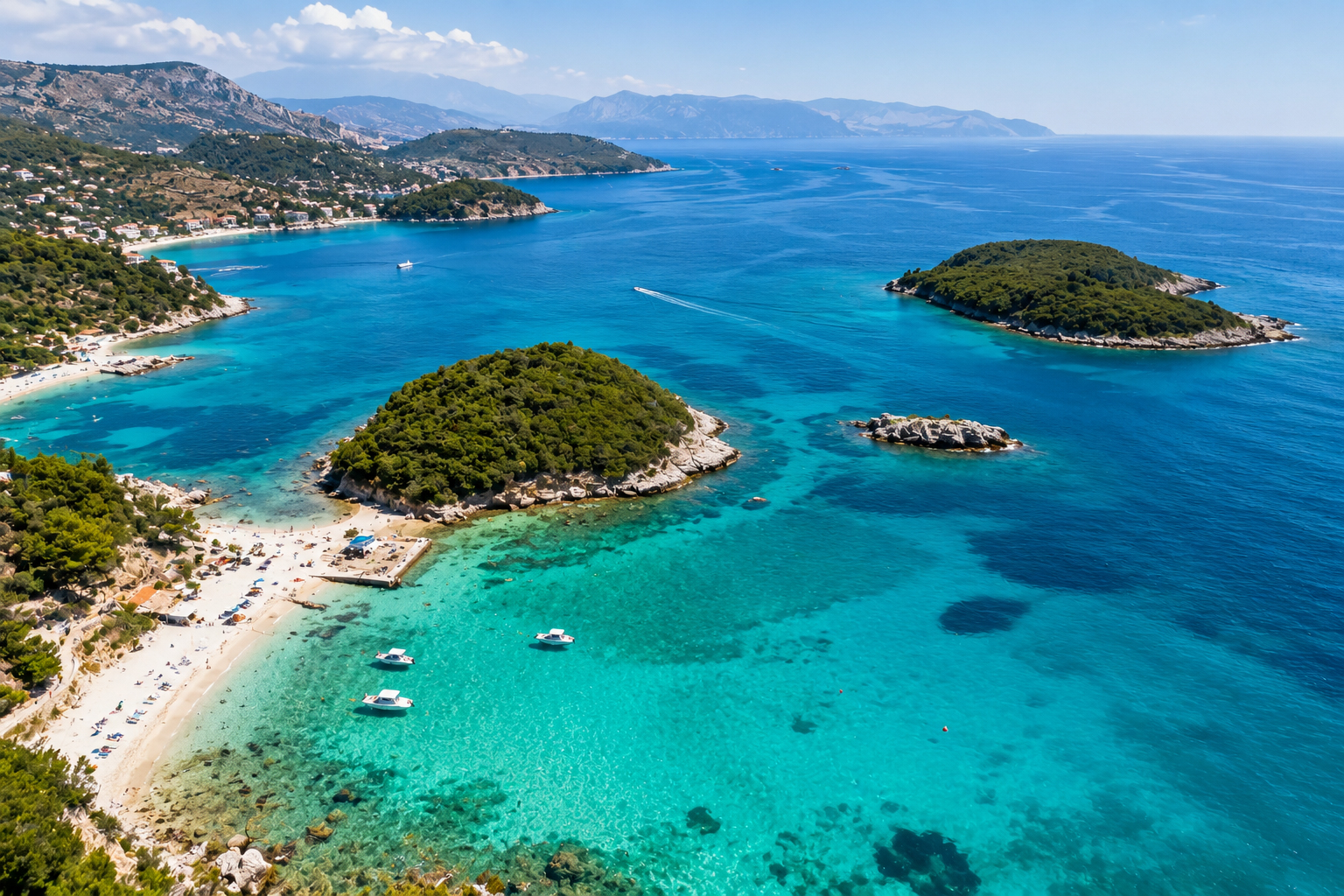
1. The Albanian Riviera & Ksamil Beaches
A decade ago, this coastline was a ghost town for international tourists. Now? The internet calls it the "Maldives of Europe." The water around Ksamil actually lives up to the hype, hitting that crazy electric blue. Just don't expect a private paradise if you show up in mid-August.
2. The Double-Headed Eagle Heritage
That black eagle is inescapable. It’s carved into fortress walls, slapped on every souvenir, and heavily tattooed across the country. It traces straight back to Skanderbeg, the 15th-century military genius who effectively blocked the Ottoman Empire from taking over.
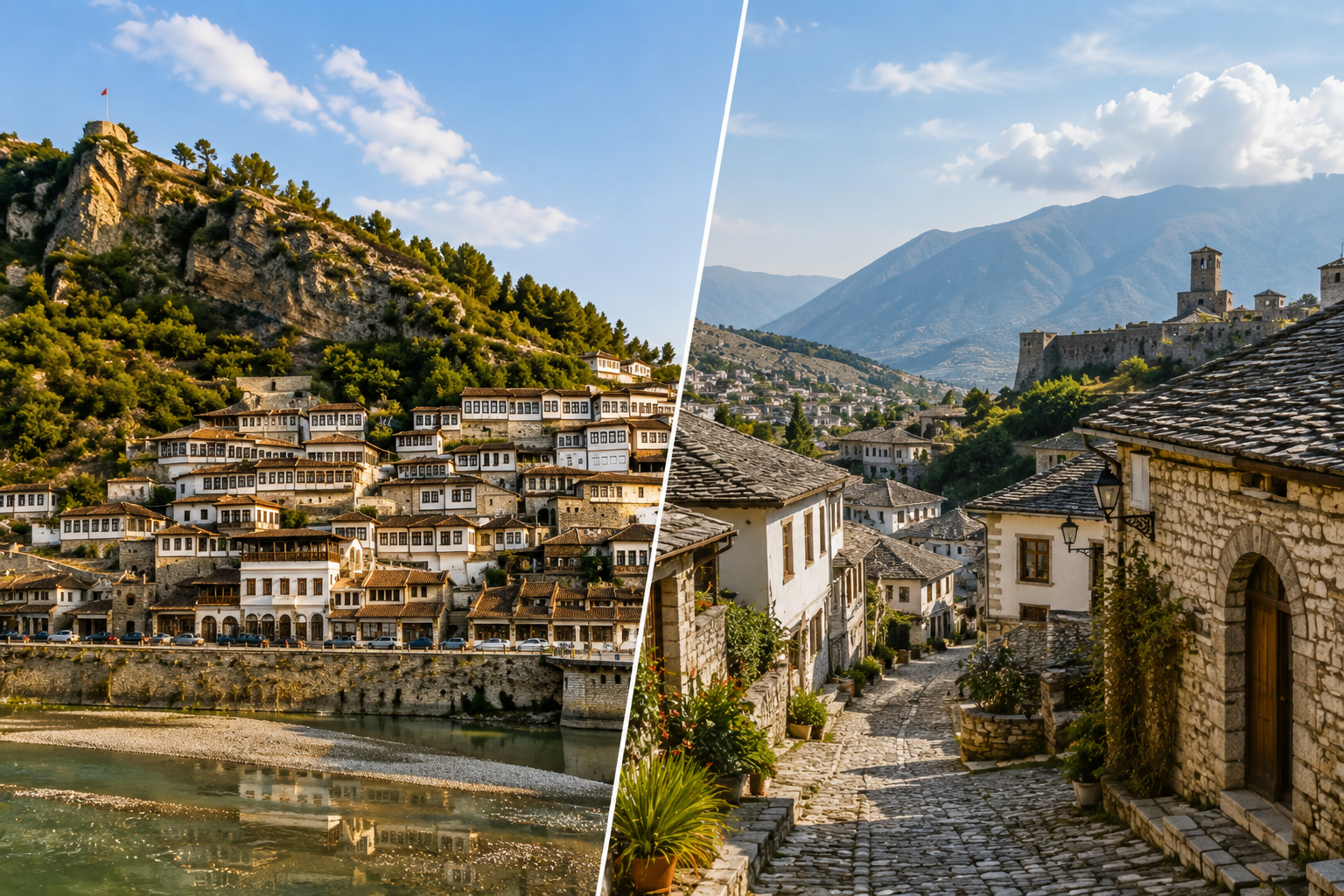
3. Historic Ottoman Towns (Berat & Gjirokastër)
The coast gets the hype, but the interior valleys hide impossibly steep, stone-roofed Ottoman cities. Walking through Berat’s historic center feels less like a vacation and more like wandering onto a movie set from 400 years ago.
4. Cold War Bunkers
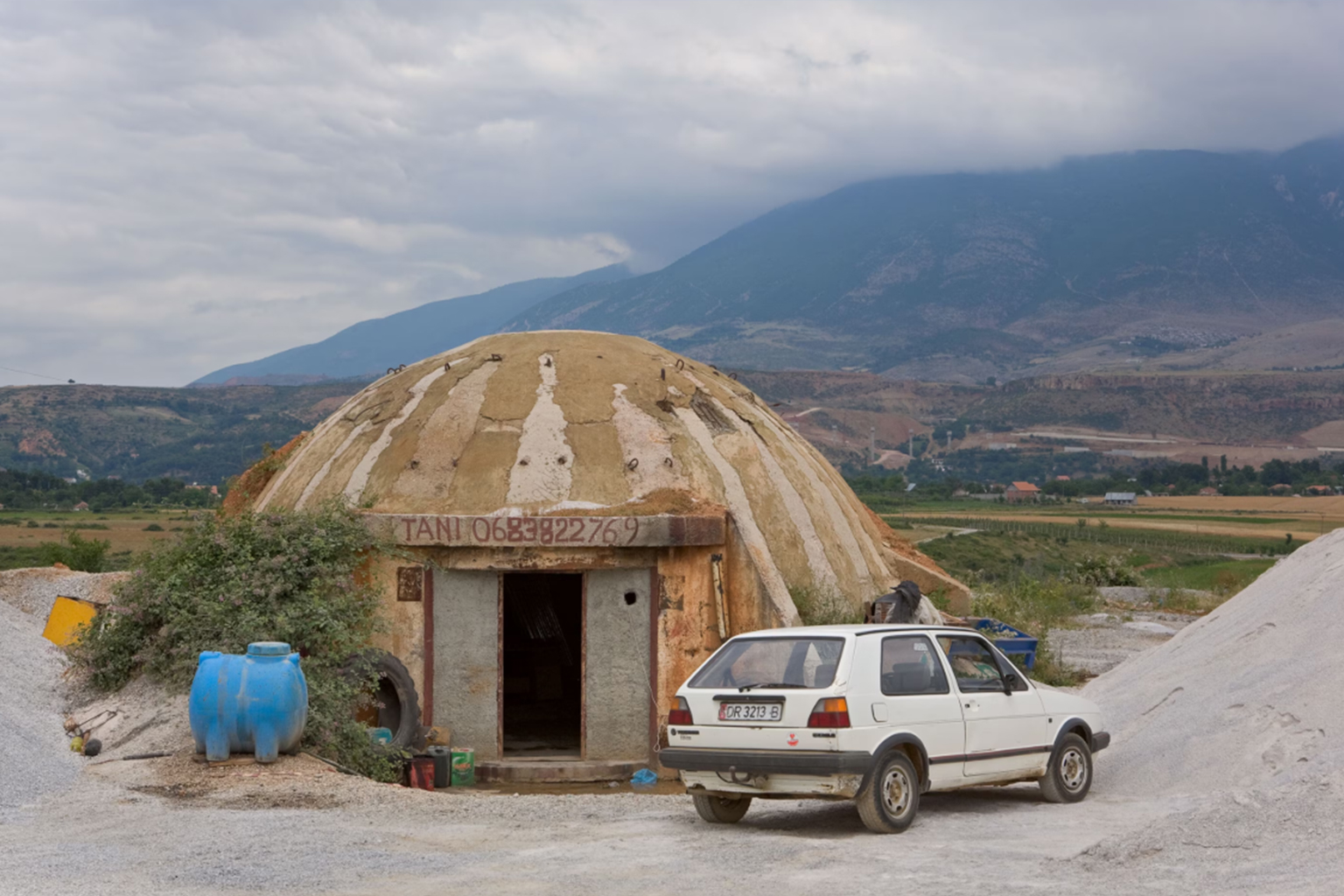
This is where things get genuinely strange. Paranoid dictator Enver Hoxha spent decades convinced the world was going to invade. His solution? Pouring concrete into over hundreds of thousands of military bunkers. The invasion never happened. Today, you'll trip over these concrete domes on beaches and in random backyards.
5. The Besa Code & Hospitality
Besa loosely translates to keeping a promise. In practice, it means radical hospitality. If you arrive as a guest, the cultural expectation is that locals are personally responsible for your safety. It drastically changes how you experience the country.
5 Famous Albanian Landmarks to Visit
You could spend weeks driving around. If you only have a handful of days, pin these to your map.
1. Berat Castle & Historic Center
They call it the "City of a Thousand Windows" for a reason. White Ottoman houses practically stack on top of each other up the hillside. People still live inside the actual castle walls at the summit.
2. Gjirokastër Fortress & Old Town
A massive, imposing stone town. The fortress at the top even hides an old captured American spy plane.
3. Ksamil Islands
Three tiny islands sitting right across the water from Corfu. You can easily swim or paddleboard between them.
4. Butrint National Park
An archaeological fever dream. Greek amphitheaters and Roman ruins slowly being eaten by a swampy coastal forest.
5. Theth National Park
Hidden deep up north in the Accursed Mountains. It gives off serious Swiss Alps energy, minus the crushing price tags, making it a stellar highlight for your budget-friendly Europe travel.
Planning a Trip to Albania? (Quick Practical Guide)
Don't get caught off guard by the logistics.