Planning a trip to South Korea and wondering what "SKT roaming" actually entails? You're not alone.
SK Telecom is a dominant mobile network in Korea, and travelers constantly look for ways to tap into it. You've got a few paths here. You could rely on your home carrier. You could buy a local SIM. Or, you might use a travel eSIM.
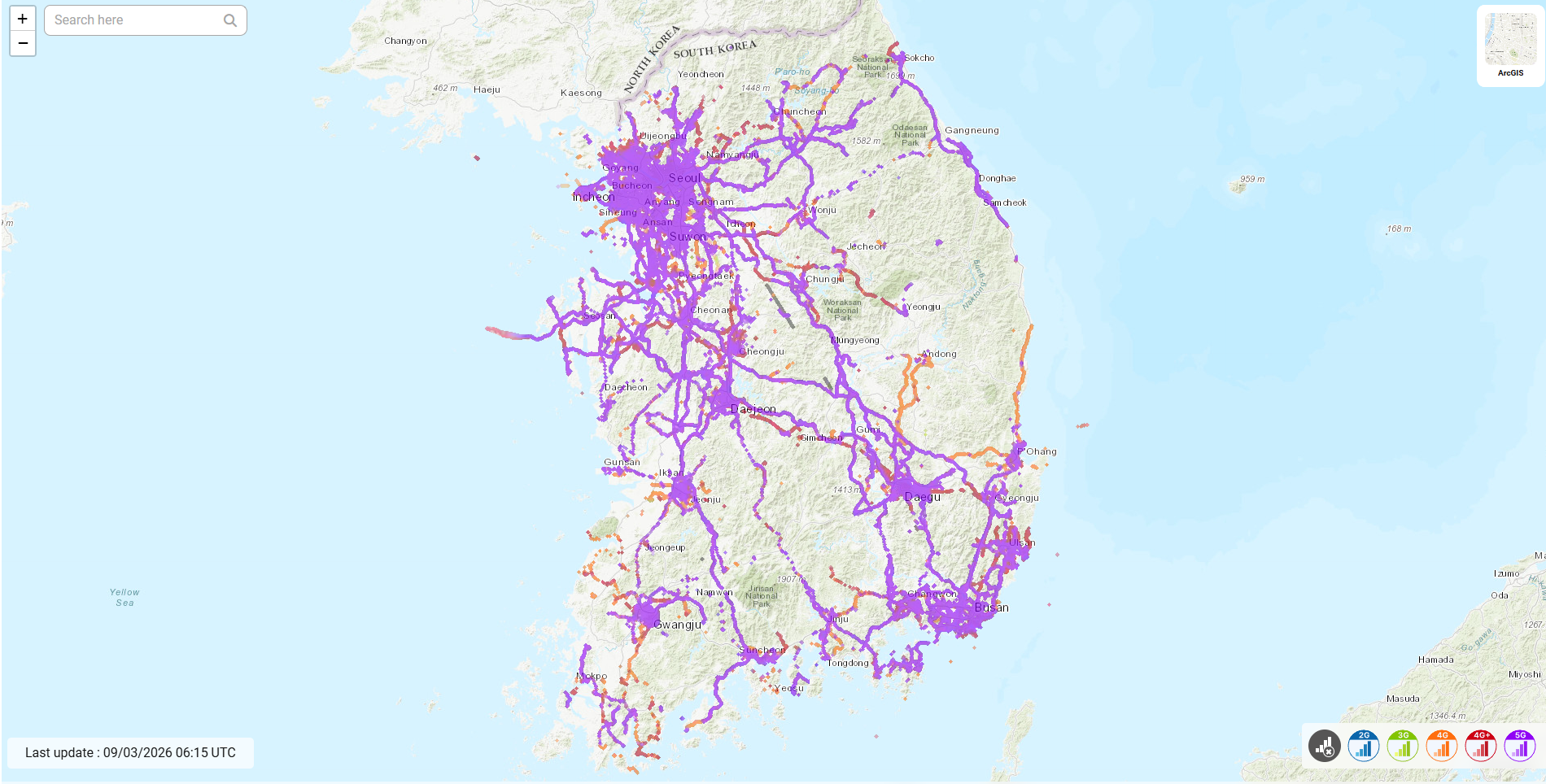
The right move depends entirely on your data appetite, your trip duration, and whether you desperately need to keep your home phone number active. Let's break down the reality of getting connected.
What Does SKT Roaming Mean for Travelers?
First, we can ignore the domestic definition. If you live in Korea and have an SKT contract, "roaming" just means taking your phone overseas.
For international visitors, the phrase splits into two distinct realities:
The Traditional Route (Carrier Roaming)
The classic definition means you land at Incheon Airport, leave your home SIM card exactly where it is, and your domestic provider (like AT&T, O2, or Rogers) charges you a premium to bounce your signal off SKT's local towers. You are roaming on their network, but paying your home carrier.
The Modern Workaround (Local Access & eSIMs)
Increasingly, travelers use "SKT roaming" as a catch-all phrase for buying direct access to the network without paying their home carrier's roaming fees. This includes purchasing a dedicated SK Telecom prepaid tourist SIM at the airport, or installing a third-party travel eSIM before the flight. For example, ByteSIM's South Korea eSIM currently supports SK Telecom and LG U+. In this case, you're using a travel eSIM rather than paying your home carrier for international roaming.
Ultimately, your strategy comes down to balancing your data budget against how badly you need to keep your original phone number active during the trip.
Is SKT Roaming the Same as an SKT Tourist eSIM?
Not exactly. This is where most of the confusion happens.
"SKT roaming" refers to the act of a mobile device connecting to the SK Telecom network while away from its home network. So, if you keep your AT&T or O2 SIM card in your phone and use data in Seoul, you are roaming on SKT.
An SKT tourist eSIM, on the other hand, is a local, prepaid product designed specifically for visitors to South Korea. You buy it directly from SK Telecom.
Meanwhile, a travel eSIM from a third-party provider acts a bit like a hybrid. It uses a roaming arrangement to connect your phone to SK Telecom's network, but you pay a fixed, prepaid rate instead of your home carrier's roaming fees.
How Can Tourists Get SKT Connectivity in Korea?
Here are the three main ways a visitor gets onto the network:
The path of least resistance. You land at Incheon Airport, turn on your phone, and your home provider automatically connects to a Korean partner network.
The upside: Zero setup required.
The downside: Bill shock. High daily pass fees and data throttling.
Buying straight from the source online (skroaming.com) or visiting an SKT roaming center at the airport.
The upside: Direct, local access to the network.
The downside: Physical SIMs force you to remove your home SIM, losing access to bank 2FA SMS codes.
You buy a data plan online before leaving home, which connects to supported Korean networks.
The upside: No physical cards. Set up via QR code and run a Dual-SIM setup—keeping your home line active for texts while the eSIM handles all Korean data.
How Much Does It Cost to Use SKT in Korea?
The cost of using SKT connectivity in South Korea varies widely depending on exactly how you connect. A home-carrier roaming pass can range from a few dollars to $10+ per day, while SK Telecom's own tourist eSIM starts at a fixed daily rate. Travel eSIMs, meanwhile, can range from budget-friendly data bundles to premium unlimited options.
| Option | Typical Pricing | What Affects the Price |
|---|---|---|
| Home-carrier roaming | From a few dollars to $10+ per day | Your home carrier and plan |
| SKT tourist eSIM | From KRW 3,300/day online | Validity period & purchase channel |
| Travel eSIM | Varies by plan | Data allowance, validity & provider |
*Home-carrier roaming prices vary by provider and plan; this is a general reference rather than an SKT roaming rate.
Carrier Roaming Costs
Pricing varies significantly by your home carrier and plan. Some providers offer daily roaming passes, while others use pay-as-you-go rates or include a limited amount of international data as part of your domestic tier. Check your home carrier's Korea roaming rate before departure, as included data, daily passes, and pay-as-you-go charges vary considerably.
SKT Tourist eSIM Costs
If you buy directly from the source, SK Telecom's official tourist eSIM offers fixed daily pricing. Current online listings show unlimited LTE data starting at KRW 3,300 per day when purchased online, with maximum speeds capped at 20 Mbps. Pricing and promotions can change, so always check the official SK Telecom roaming site to confirm the latest rates before booking.
Travel eSIM Costs
Travel eSIM pricing varies by provider, validity period, and data allowance. Plans may be sold as daily packages, fixed data bundles, or unlimited plans. When shopping for a travel eSIM, it's best to compare the total price and the specific usage limits (like FUP thresholds) rather than just looking at the advertised daily rate.
SKT Roaming vs. SKT Tourist SIM vs. Travel eSIM
To make this simple, here is how the three approaches stack up against each other:
| Feature | Carrier Roaming | SKT Tourist SIM/eSIM | ByteSIM |
|---|---|---|---|
| SKT specifically | Depends | ✅ | ✅ |
| Keep home SIM active | ✅ | Depends (SIM: No / eSIM: Yes) | ✅ |
| Fixed upfront price | Depends | Usually ✅ | ✅ |
| Need physical SIM swap | No | SIM: Potentially / eSIM: No | No |
| Buy before departure | Depends | ✅ (Online) | ✅ |
| Data options | Plan-dependent | Plan-dependent | Flexible choices |
Why Are Travel eSIMs Popular for Korea Trips?
For many travelers, a travel eSIM offers a convenient way to separate travel data from their regular mobile line. It boils down to a few distinct advantages:
- Keep Your Home SIM Active: Swapping physical SIM cards means losing your normal phone number. A travel eSIM runs alongside your home SIM. You stay reachable.
- Predictable Data Costs: Prepaid means exactly that. You pay before you fly, and that is the end of the transaction.
- No Airport Queues: With an eSIM, you can install your plan before departure and connect as soon as you arrive, without visiting a telecom counter.
Why Choose ByteSIM for Korea?
If the travel eSIM route makes the most sense for your itinerary, ByteSIM is one option if you want reliable Korean mobile access without forcing you to compromise your home number.
- Network Access: ByteSIM's South Korea eSIM currently supports SK Telecom and LG U+, giving travelers access to two major Korean networks depending on the plan and network conditions.
- Flexible Data Options: ByteSIM offers daily, total-data, and unlimited plans. Speed and Fair Usage Policy (FUP) conditions vary by plan, so check the specific plan details before purchase.
- 5G/4G LTE: Fast connectivity for navigating Naver Maps, translating menus, or streaming.
- Hotspot Supported: Traveling with an iPad or a friend? You can share your connection.
- 24/7 Support: Always available, just in case you need a hand.