Ask anyone to describe France, and they’ll usually rattle off the exact same list. Croissants. The Louvre. Some vague idea of a Parisian in a beret.
The clichés exist for a reason, sure. But reducing the entire country to a handful of luxury exports misses the actual appeal of landing there. It isn't just about looking at old buildings. It's about figuring out why the wine rules change the minute you drive south, or realizing that a proper lunch takes two hours—and absolutely no one is rushing you.
Just need the cheat sheet? Here is the 30-second breakdown of what keeps this place on the global radar.
Quick Answer: What Is France Known For?
| Landmarks |
The Eiffel Tower, the Louvre, Mont-Saint-Michel |
| Food |
Unpasteurized cheese, corner bakery baguettes, macarons |
| Wine |
Genuine Champagne, bold Bordeaux reds, crisp rosés |
| Fashion |
Chanel, Dior, Louis Vuitton, Paris Fashion Week |
| History |
The French Revolution, Napoleon, D-Day beaches |
| Culture |
Sidewalk cafés, art, cinema, the two-hour lunch break |
What Is France Most Famous For?
We could list fifty things. But if we have to narrow down the absolute core of the French identity, these six categories are the non-negotiables you actually need to understand.
![The Eiffel Tower & Paris]()
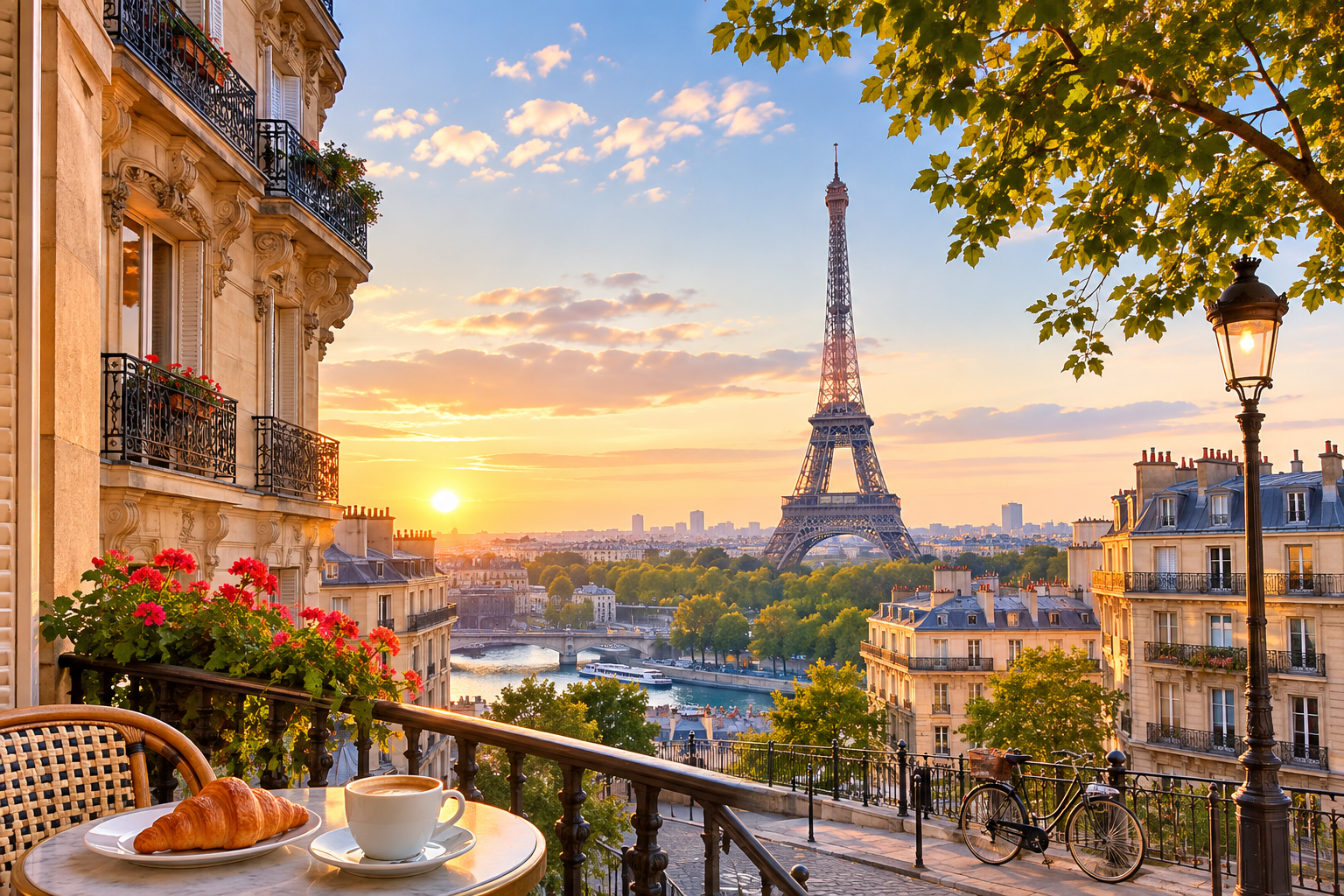
1. The Eiffel Tower & Paris
It’s the ultimate visual shorthand. See that iron silhouette, and you instantly know where you are. But it’s more than just a tall structure. Built for the 1889 World's Fair, it represents the bold ambition of French engineering and the absolute peak of the Belle Époque. Curiously, Parisian artists absolutely hated it when it went up. Today? The city wouldn't make sense without it.
Don't waste three hours shuffling through a crowded security line just to ride the elevator. The monument actually looks significantly better from a distance. Get off the metro at Trocadéro for that classic, sweeping panorama, or grab some cheese and sit on the Champ de Mars grass right before dusk to watch the lights click on. If unwanted people end up in your shot, you can remove background elements later when editing the photo. And if you’re trying to navigate between these exact viewpoints?
Need maps, real-time metro directions, or last-minute attraction tickets on the go? Having solid mobile data makes surviving Paris infinitely easier. Skip the brutal roaming charges and just connect to a local network so you aren't lost in the 7th arrondissement. And if you’re figuring out your logistics, picking the right neighborhood is half the battle — check out our guide on the best areas to stay in Paris to anchor your trip.
![French Food & Gastronomy]()
2. French Food & Gastronomy
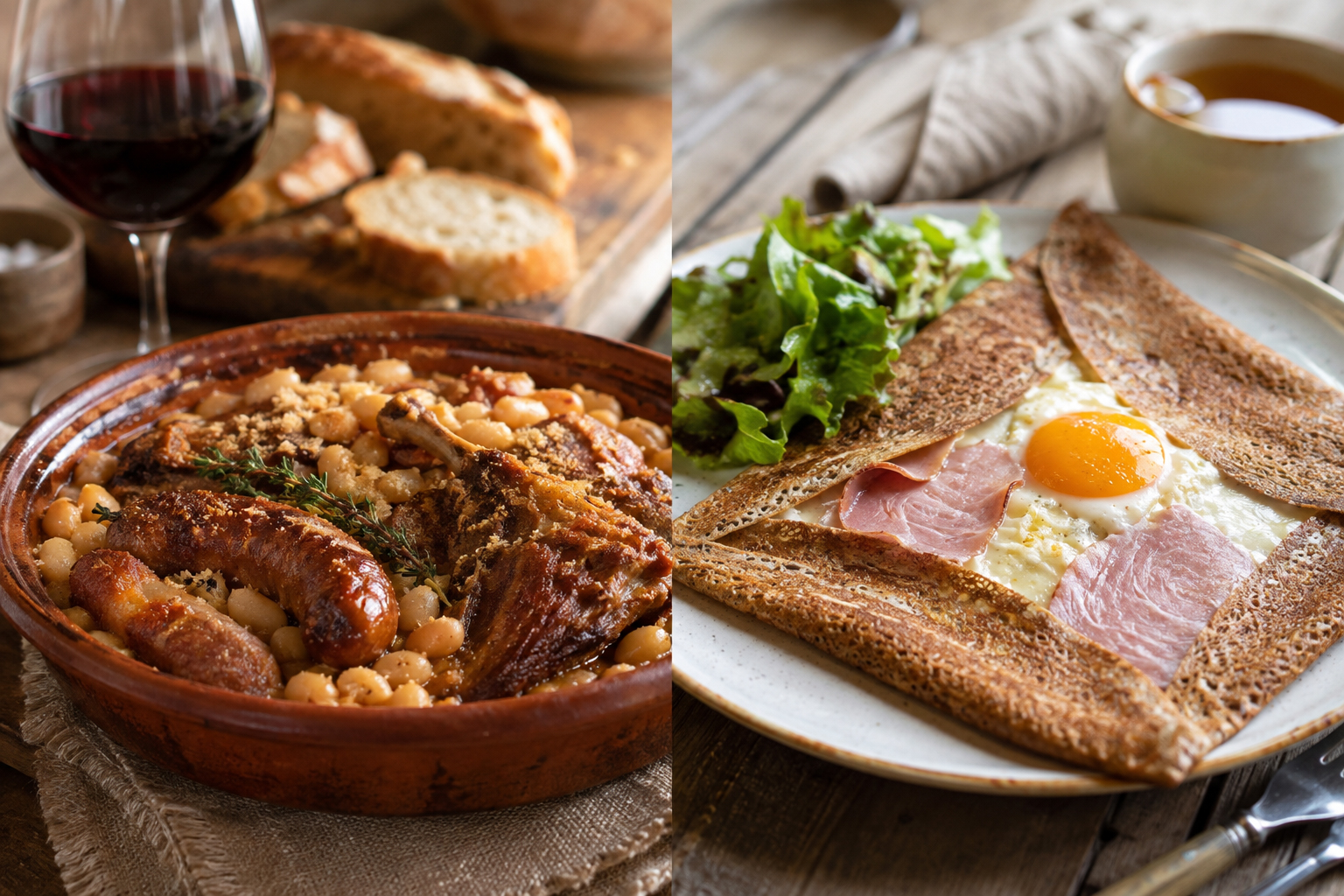
In France, eating isn't something you rush between museum visits. It’s the main event. People actually sit down for breakfast—usually just an espresso and a fresh pastry. Lunch stretches out. Dinner takes hours, and nobody checks their watch.
Your location changes the menu completely. Sure, you'll find baguettes everywhere. But if you’re up in Normandy, everything involves butter and apples. Down on the Mediterranean coast? It’s all garlic, olive oil, and whatever came out of the ocean that morning.
What travelers should know: That waiter is ignoring you on purpose. In French culture, rushing a table is considered incredibly rude, so you actually have to wave them down and ask for the bill. To eat well on a budget, hunt down the formule du midi (a set lunch menu). And here is the golden rule for finding a good meal: never eat anywhere you can see a major monument from your table. Walk three streets over and look for a crowded room with a chalkboard menu.
![World-Class Wine & Champagne]()
3. World-Class Wine & Champagne
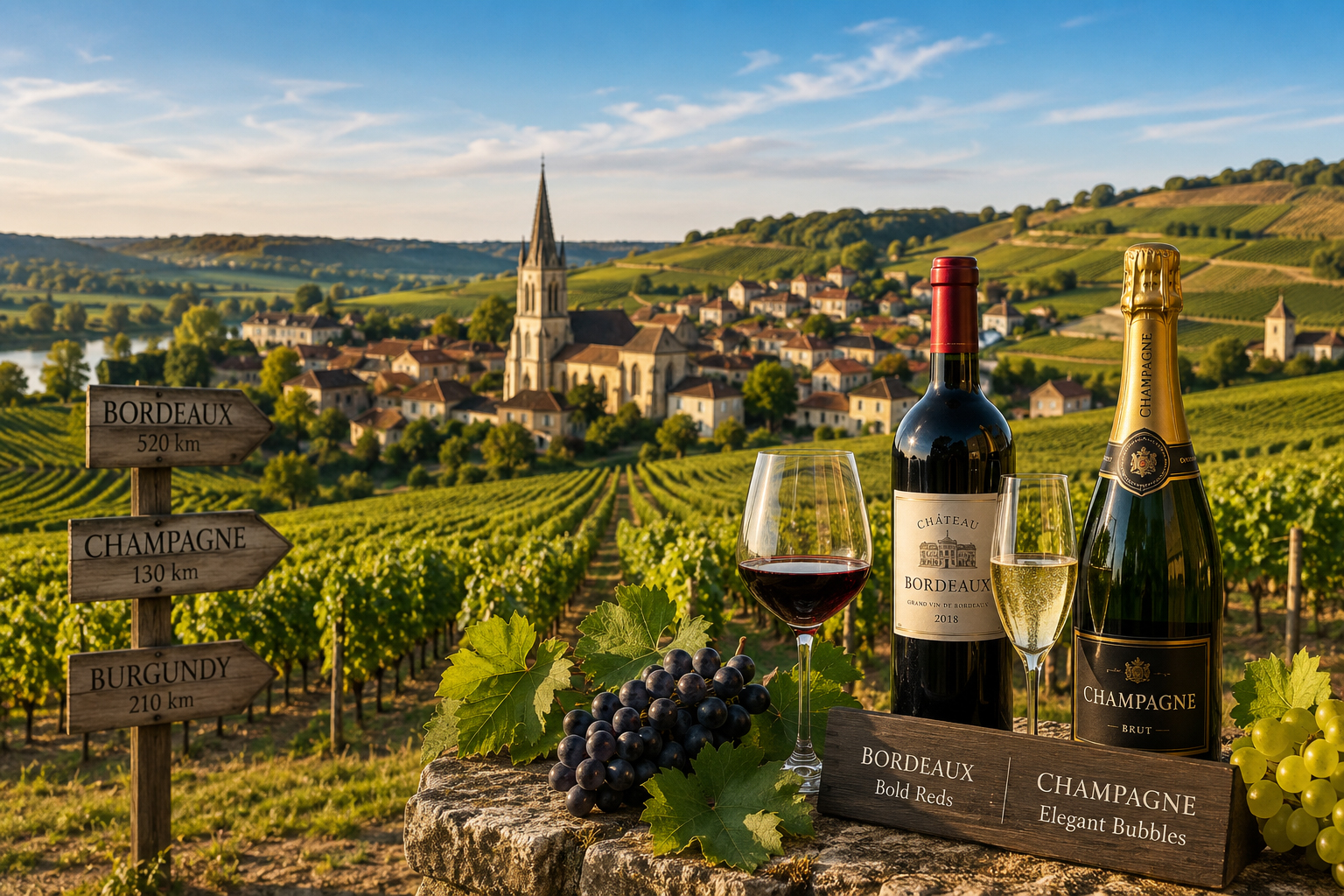
Here is the only rule you really need to understand about French wine: it is all about geography. The soil and the weather matter just as much as the grape itself.
That’s why the map dictates your glass. Heavy, structured reds belong to Bordeaux. Burgundy stakes its entire reputation on Pinot Noir and Chardonnay. Down south in Provence, people essentially drink dry rosé like water all summer. And then there’s the big one. Champagne is an actual place on a map in the northeast. If the bottle is made anywhere else, nobody cares how bubbly it is—legally, it’s just sparkling wine.
What travelers should know: Please don't stress over intimidating wine lists. You really don't have to buy a €100 bottle to drink beautifully in this country. Walk into any busy neighborhood bar and ask for a glass of whatever the house is pouring (vin de maison). It’s cheap, it comes without an ounce of snobbery, and it usually tastes fantastic. Half the fun is just trying whatever local grape grows nearby.
![Haute Couture & Fashion]()
4. Haute Couture & Fashion
Yes, Paris essentially invented the modern luxury industry. The runway shows are legendary, and historic houses like Dior and Chanel still run the global fashion world.
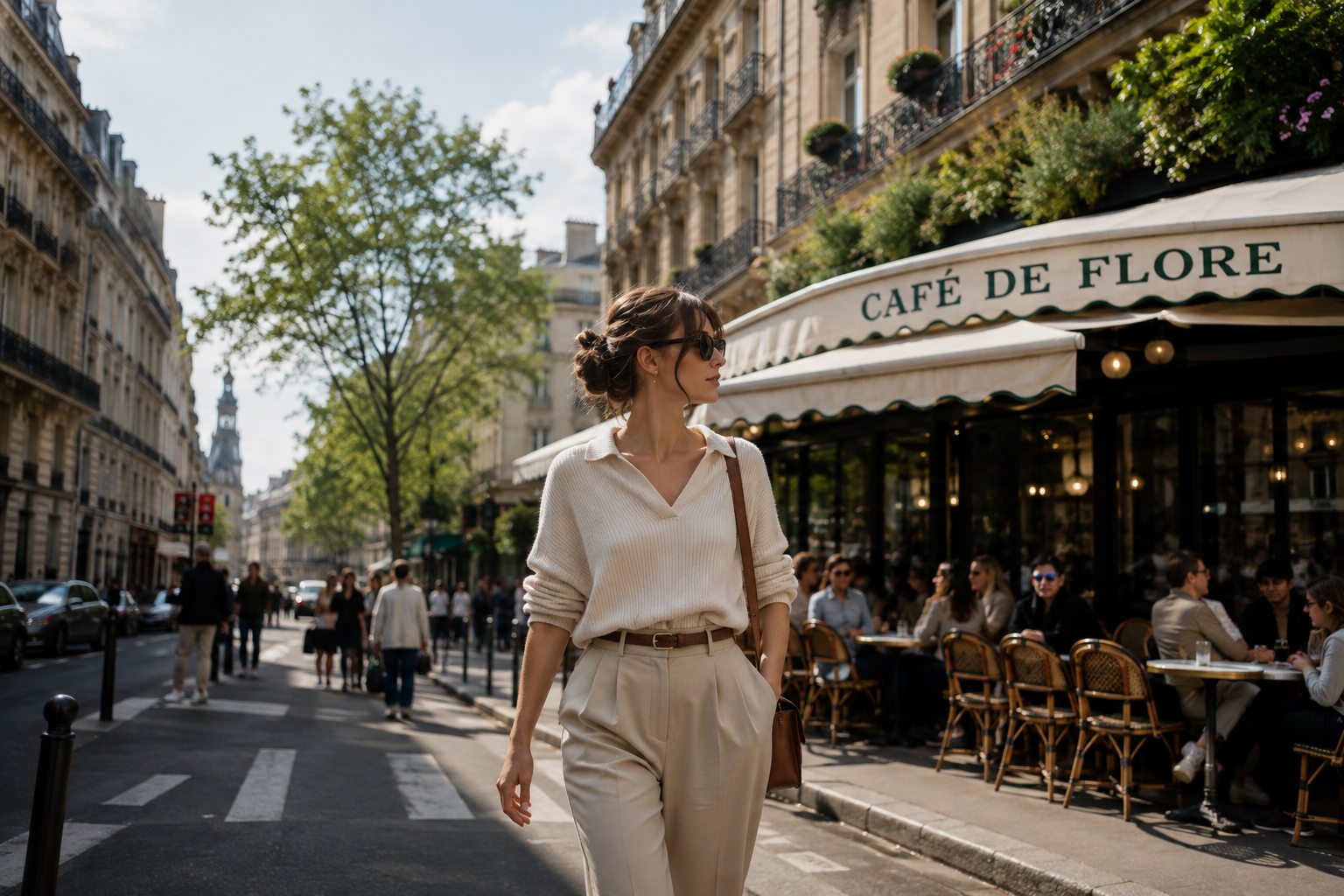
But there is a massive gap between high fashion and how actual locals dress on a Tuesday. Real French street style is incredibly quiet. Nobody walks around covered in giant designer logos. If you sit at a café in the Marais and watch people go by, you'll notice a distinct everyday uniform. Lots of navy, black, and beige. Well-cut trench coats. Clean sneakers. It’s a very deliberate kind of low-effort cool.
What travelers should know: You don't have to buy an expensive new wardrobe before your flight — reviewing a practical guide on how to pack for Europe can help you build the right capsule wardrobe. Just leave the bright athletic gear, yoga pants, and loud graphic hoodies at home. Sticking to simple, neutral basics actually does wonders for your trip. It’s an unspoken reality here: shop owners and waiters genuinely treat you better when you look put-together. Blending in is less about being trendy and more about avoiding the obvious tourist uniform.
![Art & Architecture]()
5. Art & Architecture
France’s cultural footprint is massive, and it certainly isn't limited to one museum or a single art movement. The visual history of the country essentially surrounds you.
It starts with the architecture. You have the towering Gothic brilliance of cathedrals like Notre-Dame, contrasted directly against the uniform, zinc-roofed Haussmann apartment blocks that entirely define the modern Paris skyline.
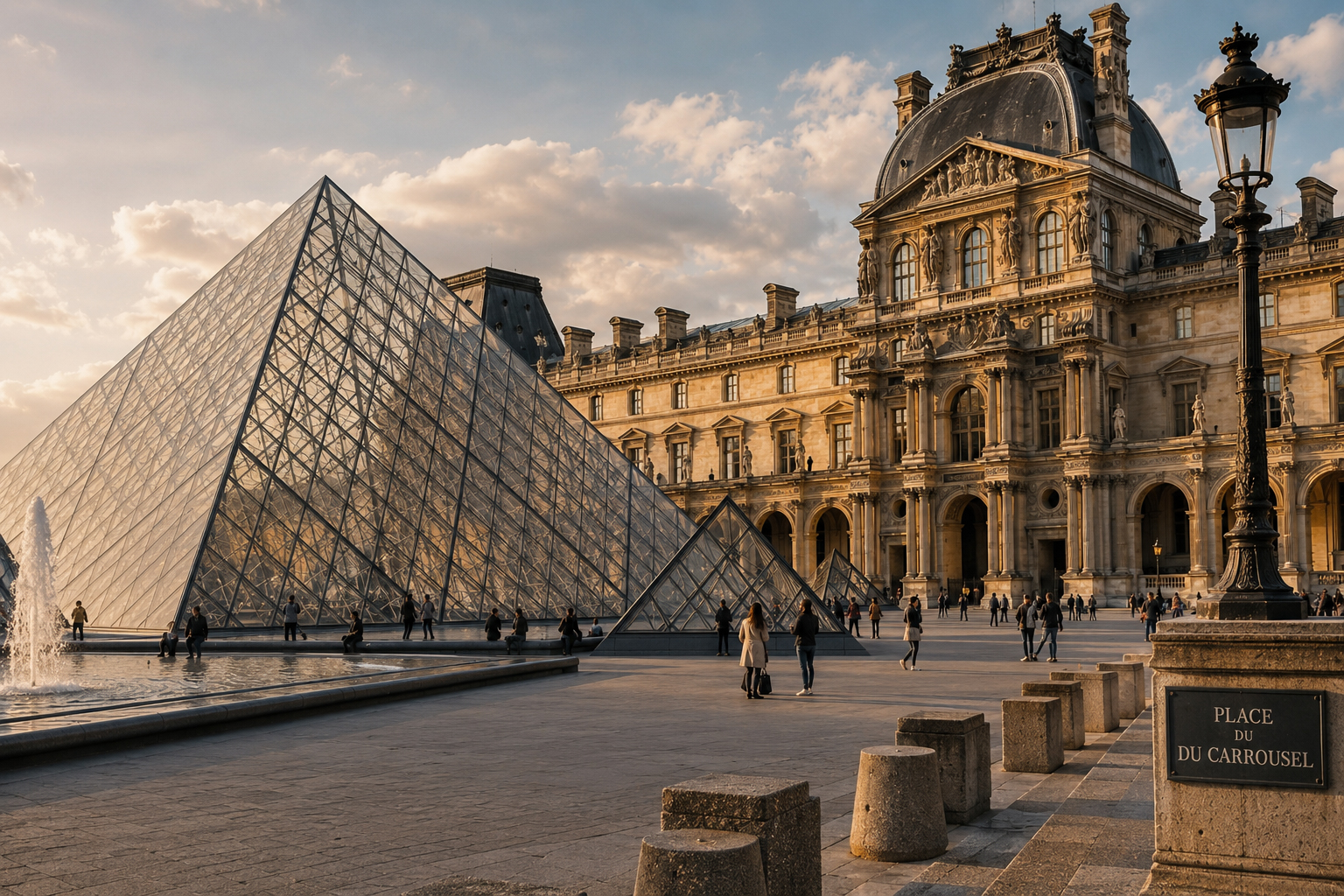
Then you have the actual collections. The country birthed Impressionism, completely changing how the world painted. You can track this evolution from the ancient antiquities inside the Louvre straight through to the works of Monet and Degas.
What travelers should know: Please, do not try to “finish” the Louvre in one visit. It is a psychological trap. If you run straight to the Mona Lisa, you will spend your entire afternoon fighting crushing crowds. Pick two sections and leave. Better yet? Head to the Musée d'Orsay to see the Impressionist masters inside a stunning converted train station. Or, hunt down smaller galleries like the Musée Rodin for a significantly quieter, far more intimate afternoon experience.
![The French Revolution & History]()
6. The French Revolution & History
Why does centuries-old French history actually matter to a modern traveler? Because you really can’t grasp the country’s current attitude without understanding a few brutal turning points.
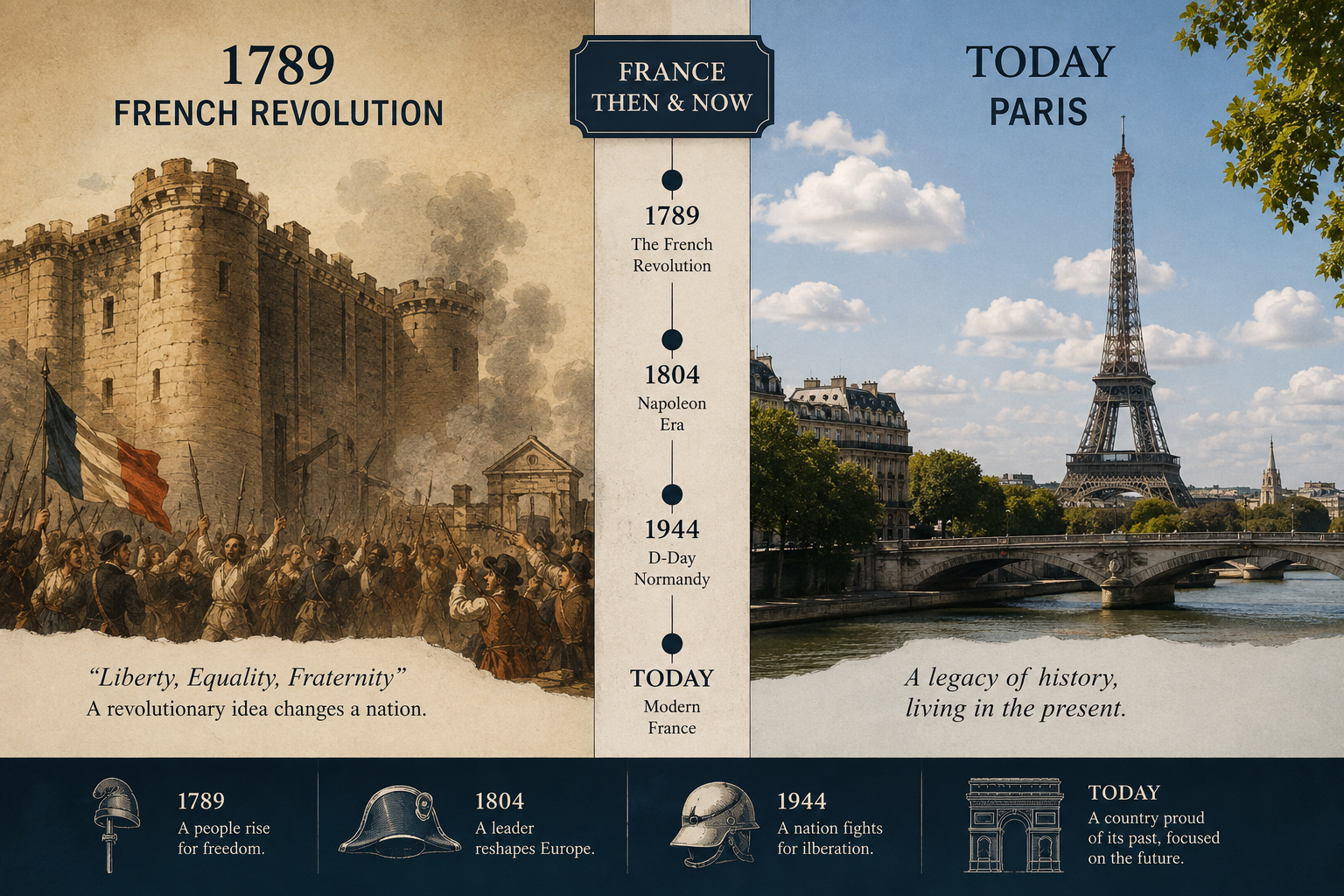
It kicks off with 1789. The French Revolution didn’t just execute a monarchy; it violently rewired the concept of modern democracy. Following that chaos, Napoleon literally redrew the map of Europe (if you are planning a multi-country tour today, check our comprehensive guide for buying a Europe eSIM) and overhauled the legal system. Jump forward a century, and the windswept beaches of Normandy became the devastating, heroic center of World War II during the D-Day invasions.
This timeline isn’t just trapped in heavy textbooks. France's history is still visibly alive right now. You see it carved into the stone of massive monuments, preserved in rural museums, and actively playing out in local political culture. That defiant, revolutionary DNA is exactly why loud street demonstrations remain a completely normal part of civic life today.
What Is Actually French—and What Is Just a Stereotype?
Let's clear the air on a few things tourists usually get wrong.
-
Baguettes: 100% accurate. You will spot someone carrying one home every evening. The bread goes stale fast, so daily bakery runs are mandatory.
-
Berets: Total myth. Unless you run into a rural grandpa or a tourist taking a selfie, nobody wears them in daily life.
-
The Café Stare: Very real. The chairs face outward to the street for prime people-watching. It's a national pastime.
-
The "Rude" Myth: This usually boils down to tourists skipping the script. In France, walking up to a shopkeeper without saying "Bonjour" is deeply offensive. Say hello first, and the ice melts immediately.
Curious to learn more weird and wonderful things about the country? Dive into these fun facts about France before your trip.
What Changes When You Travel Beyond Paris?
Paris hogs the microphone, but the country fractures into entirely different worlds depending on which train you catch.
| Paris & Île-de-France |
Landmarks, fashion, museums |
Fast-paced, historic, elegant |
| Bordeaux |
World-class red wine, châteaux |
Relaxed, agricultural, sophisticated |
| Provence |
Lavender fields, hilltop villages |
Sunny, Mediterranean, slow living |
| Normandy |
D-Day history, Mont-Saint-Michel |
Coastal, rugged, historic |
| French Riviera |
Nice, Cannes, yachts, beaches |
Glamorous, warm, resort-focused |
| Loire Valley |
Massive Renaissance castles |
Fairy-tale architecture, royal history |
Planning Your Trip: A Few Practical Details
A few logistics will save you a massive headache later. August is a ghost town in the cities—everyone flees to the coast for vacation. Aim for May or explore the best places to visit in September instead to enjoy pleasant weather with fewer crowds. For moving around, the TGV trains are blazingly fast, but book a month out or you'll pay a premium.
Stay Connected in France
The minute you land, you need a connection. You’ll be translating menus, checking train platforms, and looking up walking routes, which means getting reliable mobile internet in France is non-negotiable. Don't waste time hunting for a physical SIM kiosk.
Grab a ByteSIM France eSIM before you fly. Scan the code, and your phone hits the local 4G/5G network before you even step off the plane. Wondering how you'll book restaurant reservations without a local number? Here is exactly how to make calls in France using your eSIM.