- 1. Por qué los aficionados coreanos experimentan la conectividad de la Copa del Mundo de manera diferente
- 2. Problema #1: El roaming internacional puede fallar al cruzar fronteras
- 3. Problema #2: KakaoTalk no es tan instantáneo como estás acostumbrado
- 4. Problema #3: Tu ecosistema digital coreano no viaja bien
- 5. Problema #4: Fallos en la verificación de pagos pueden bloquearte el acceso a tu dinero
- 6. Problema #5: El contenido de fútbol coreano desaparece en el extranjero
- 7. La mejor configuración de conectividad para los aficionados coreanos en la Copa Mundial de la FIFA 2026
- 8. Recomendado eSIM para aficionados coreanos que viajan por América del Norte
- 9. Lista de verificación de conectividad para el día del partido para aficionados coreanos
Si viajas de Corea del Sur a la Copa Mundial de la FIFA 2026, la mayor sorpresa puede no ser las multitudes en los estadios, las largas distancias de viaje o los precios de las entradas, sino la internet.
Muchos aficionados al fútbol coreanos están acostumbrados a algunas de las redes móviles más rápidas y confiables del mundo. Pero una vez que llegan a los Estados Unidos, Canadá o México, a menudo descubren que los datos móviles, las aplicaciones de navegación, los sistemas de verificación bancaria e incluso los servicios coreanos familiares no funcionan de la misma manera.
El problema no es que América del Norte carezca de conectividad. El problema es que los aficionados coreanos vienen de uno de los entornos digitales más avanzados del mundo. Incluso pequeñas interrupciones pueden resultar sorprendentemente frustrantes cuando intentas acceder a entradas para el partido, encontrar tu hotel, reservar transporte o compartir una celebración de gol con amigos en casa.
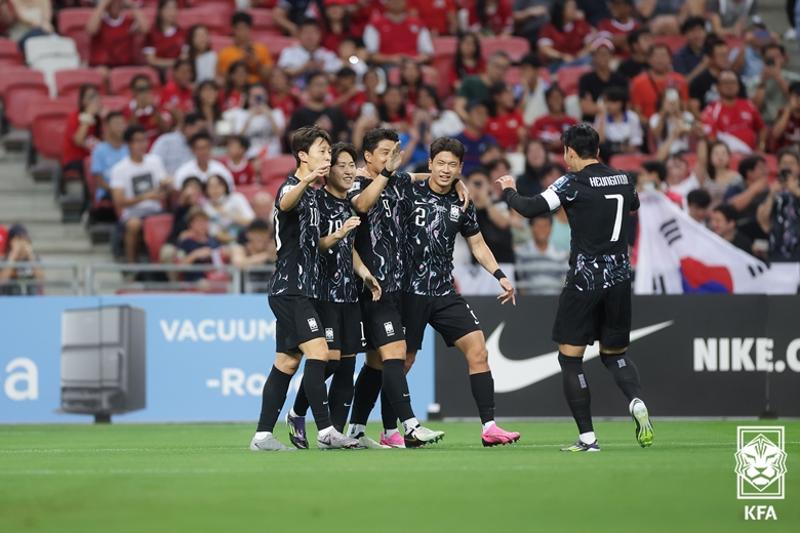
1. Por qué los aficionados coreanos experimentan la conectividad de la Copa del Mundo de manera diferente
La mayoría de las guías de viaje para la Copa del Mundo se centran en los costos de roaming, SIM tarjetas o encontrar Wi-Fi. Para los aficionados al fútbol coreano, el desafío es diferente. El problema no es simplemente conectarse a internet, sino adaptarse a un entorno digital completamente diferente.
Corea del Sur establece un estándar inusualmente alto
La mayoría de los usuarios coreanos están acostumbrados a una cobertura 5G rápida y consistente, mensajería instantánea a través de KakaoTalk, banca y pagos móviles, aplicaciones de transporte y navegación altamente integradas, y acceso sin problemas a servicios digitales durante todo el día. Estas comodidades son tan normales que muchos viajeros no las notan hasta que desaparecen.
Por qué América del Norte se siente diferente
La Copa Mundial de la FIFA 2026 abarcará los Estados Unidos, Canadá y México. Si bien los tres países tienen redes móviles modernas, los usuarios pueden notar más variación en la calidad de la red, velocidades de carga más lentas en áreas concurridas, diferencias de cobertura entre regiones y congestión de la red alrededor de estadios y zonas de aficionados.
Conclusión clave: El resultado es un tipo de choque cultural digital que muchos aficionados coreanos no esperan antes de su llegada.

2. Problema #1: El roaming internacional puede fallar al cruzar fronteras
A diferencia de las Copas Mundiales anteriores celebradas en un solo país, el torneo de 2026 abarca tres naciones. Para los seguidores que siguen a Corea entre ciudades anfitrionas, el roaming puede volverse menos predecible.
Los problemas comunes incluyen
- Pérdida temporal de señal después de cruzar fronteras
- Retrasos al conectarse a redes asociadas
- Interrupciones en los datos móviles
- Requisitos de selección manual de operador
Por qué esto importa en el día del partido
Estas interrupciones pueden afectar el acceso a entradas digitales, aplicaciones de navegación, servicios de transporte y comunicación grupal. Incluso una breve pérdida de conectividad puede volverse estresante cuando intentas entrar a un estadio o reunirte con amigos antes del inicio.
3. Problema #2: KakaoTalk no es tan instantáneo como estás acostumbrado
Para muchos aficionados coreanos, KakaoTalk es el centro de la comunicación diaria. Aún funciona en el extranjero, pero la experiencia a menudo se siente muy diferente.
La congestión en el estadio afecta el intercambio de medios
Las frustraciones comunes incluyen cargas de fotos lentas, videos atascados en procesamiento, transferencias de medios fallidas y entregas retrasadas durante períodos de tráfico máximo. Esto se vuelve especialmente notable después de goles y momentos importantes del partido cuando miles de aficionados están subiendo contenido simultáneamente.
La coordinación grupal se vuelve más difícil
Muchos seguidores dependen de KakaoTalk para compartir ubicaciones, coordinar planes de viaje, comunicarse con la familia y organizar encuentros después del partido. Cuando la conectividad se ralentiza, incluso la comunicación simple puede volverse frustrante.
Las llamadas de voz y video pueden ser menos confiables
Alrededor de estadios, aeropuertos y zonas de aficionados, los usuarios pueden experimentar una calidad de llamada reducida, retrasos de audio, video congelado y desconexiones inesperadas.
4. Problema #3: Tu ecosistema digital coreano no viaja bien
Muchos viajeros coreanos no se dan cuenta de cuánto dependen de los servicios digitales locales hasta que salen del país.
Naver Map no es la opción predeterminada
En América del Norte, la mayoría de los usuarios dependen de Google Maps o Apple Maps. En comparación con Corea, los viajeros pueden notar diferentes experiencias de navegación, información local faltante y mejor soporte a través de plataformas de mapeo global.
Kakao T tiene un valor limitado en el extranjero
En lugar de Kakao T, probablemente necesitarás Uber, Lyft o aplicaciones de transporte locales. Eso significa crear cuentas, agregar métodos de pago y aprender interfaces desconocidas.
Los servicios basados en ubicación se comportan de manera diferente
Algunas aplicaciones coreanas pueden ofrecer funcionalidad reducida en el extranjero, incluyendo características de búsqueda local, recomendaciones cercanas, información de transporte y herramientas de ubicación en tiempo real. Cambiar entre aplicaciones desconocidas mientras viajas puede agregar estrés innecesario durante un torneo ocupado.
5. Problema #4: Fallos en la verificación de pagos pueden bloquearte el acceso a tu dinero
La mayoría de los aficionados coreanos no tendrán problemas para llevar suficiente dinero. El mayor riesgo es perder temporalmente el acceso a él.
Las transacciones en el extranjero pueden activar controles de seguridad
Los desencadenantes comunes incluyen compras de entradas para partidos, viajes transfronterizos, múltiples reservas de hotel y transacciones frecuentes con tarjeta. Los bancos pueden solicitar verificación de identidad adicional antes de aprobar los pagos.
Las solicitudes de verificación no siempre llegan rápidamente
Muchos servicios financieros coreanos dependen de la autenticación por SMS, notificaciones push y autenticación de dos factores (2FA). En lugares concurridos, los usuarios pueden experimentar códigos de verificación retrasados, notificaciones perdidas y tiempos de espera en la autenticación.
Los pagos móviles no son universales
Si bien servicios como Samsung Pay, Naver Pay, Kakao Pay y Toss pueden funcionar en algunas situaciones, la aceptación varía significativamente según el país y el comerciante. Por eso es importante llevar una tarjeta de respaldo.
Lo que esto significa para los viajes de la Copa del Mundo: Un fallo de verificación puede bloquearte temporalmente el acceso a tu propio dinero en el peor momento posible.
6. Problema #5: El contenido de fútbol coreano desaparece en el extranjero
Muchos aficionados coreanos quieren más que partidos en vivo. También quieren acceso a la cobertura de fútbol familiar desde casa.
Algunos contenidos deportivos coreanos pueden estar restringidos
Dependiendo de los acuerdos de licencia, ciertos servicios pueden limitar el acceso fuera de Corea del Sur. Esto puede afectar las transmisiones en vivo, repeticiones de partidos, videos destacados y programas de análisis de fútbol.
La experiencia de visualización se siente diferente
La mayoría de las transmisiones locales proporcionan comentarios en inglés o español y análisis de estudio local. Como resultado, los aficionados coreanos pueden extrañar a los comentaristas familiares, expertos en fútbol coreano y cobertura centrada en la selección nacional. Para muchos seguidores, seguir los medios de fútbol coreano es parte de la experiencia de la Copa del Mundo en sí.
7. La mejor configuración de conectividad para los aficionados coreanos en la Copa Mundial de la FIFA 2026
La mayoría de los problemas de conectividad se pueden evitar con algunas preparaciones simples.
Paso 1: Mantén tu SIM coreano activo
Tu SIM coreano sigue siendo útil para la autenticación bancaria, verificación por SMS, recuperación de cuentas y alertas de seguridad importantes.
Paso 2: Usa un eSIM de América del Norte para datos
En lugar de depender completamente del roaming, usa un eSIM que cubra los Estados Unidos, Canadá y México. Los beneficios incluyen cobertura transfronteriza, conectividad más predecible, sin necesidad de cambiar físicamente el SIM, y mejor control sobre los costos de datos móviles.
Paso 3: Prepara aplicaciones esenciales antes de la salida
Instala y configura Google Maps, Uber, Lyft, aplicaciones bancarias y aplicaciones oficiales del torneo antes de salir de Corea.
Paso 4: Descarga lo esencial para el día del partido sin conexión
Antes de cada partido: guarda las entradas localmente, descarga mapas de la ciudad, almacena detalles del hotel y guarda información de transporte. Esto reduce tu dependencia del acceso a la red en vivo.
Conclusión clave: La preparación antes de la salida es la forma más efectiva de evitar la frustración de conectividad durante el torneo.
8. Recomendado eSIM para aficionados coreanos que viajan por América del Norte
Si planeas seguir a Corea a través de múltiples ciudades anfitrionas, un eSIM regional de América del Norte suele ser la solución más sencilla.
Qué buscar
Elige un plan que incluya:
- Cobertura en los tres países anfitriones
- Datos de alta velocidad estables
- Soporte para hotspot
- Fácil activación
- Períodos de validez flexibles
Por qué muchos viajeros eligen ByteSIM
El ByteSIM de América del Norte eSIM ofrece cobertura en EE. UU., Canadá y México, opciones de datos ilimitados, activación por código QR, soporte para hotspot y compatibilidad con la mayoría de los teléfonos inteligentes habilitados para eSIM. Para los viajeros de la Copa del Mundo, esto proporciona una solución de conectividad única durante todo el torneo.

9. Lista de verificación de conectividad para el día del partido para aficionados coreanos
- ✓ Activa tu eSIM antes de la salida
- ✓ Mantén tu SIM coreano activo
- ✓ Descarga Google Maps y mapas sin conexión
- ✓ Instala Uber o Lyft
- ✓ Guarda entradas e información del hotel sin conexión
- ✓ Actualiza aplicaciones bancarias y de autenticación
- ✓ Lleva un banco de energía completamente cargado
- ✓ Prueba tu conexión móvil antes del día del partido
Conclusión final: Para los aficionados coreanos, una configuración móvil estable ayuda a garantizar que te mantengas conectado a las entradas del partido, la comunicación grupal y los servicios financieros durante toda la Copa del Mundo.
© 2026 Guía de la Copa del Mundo para Aficionados Coreanos — América del Norte eSIM para una conectividad sin problemas en EE. UU., Canadá y México.