

París es una ciudad donde la elección de tu vecindario define tu viaje. Alójate cerca de la línea de Metro correcta, y los principales lugares de interés estarán a tu puerta; elige mal, y perderás horas viajando desde calles ruidosas o inconvenientes.
Mapa de Arrondissements de París: Cómo Elegir tu Ubicación
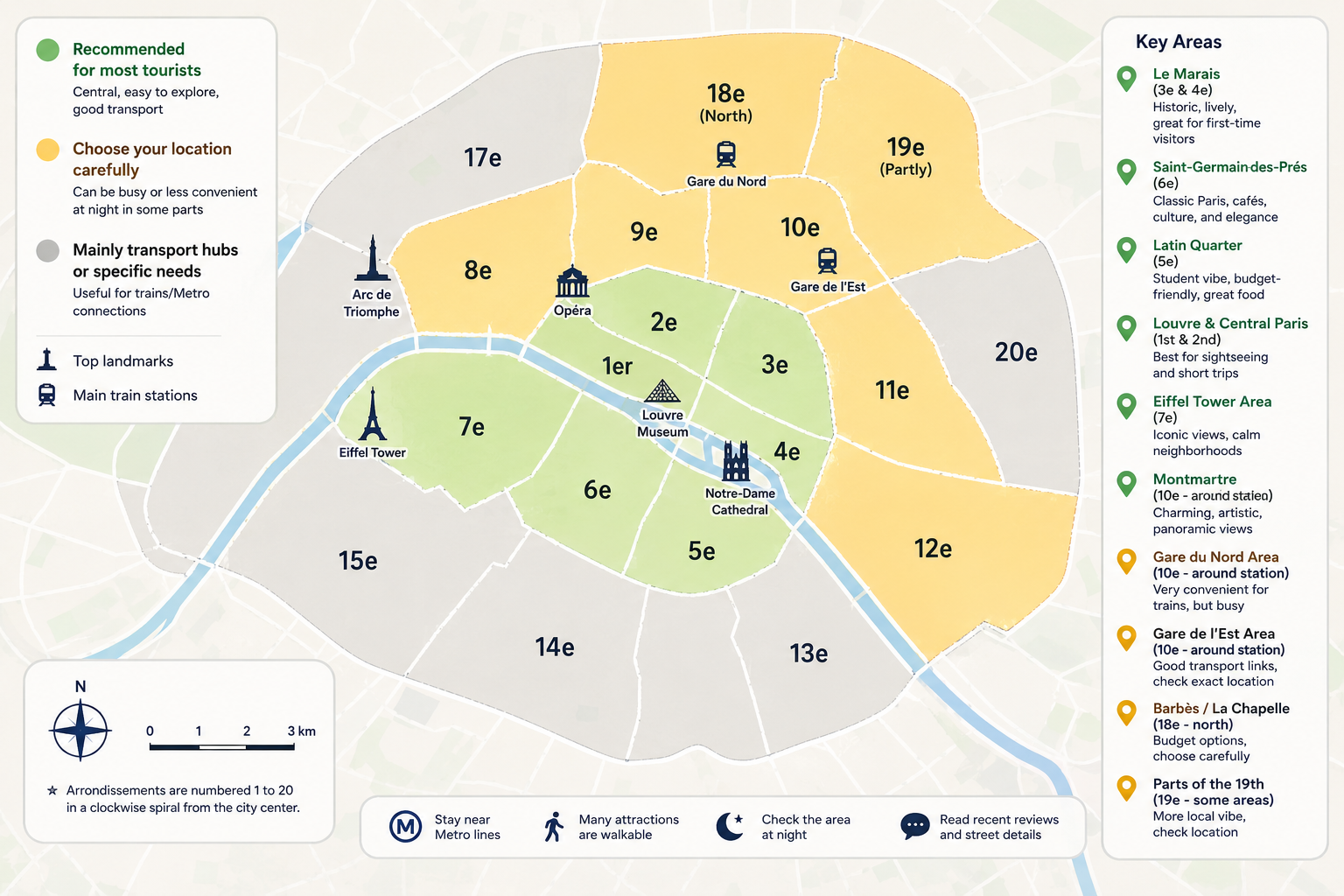
París está dividida en arrondissements dispuestos alrededor del centro de la ciudad en una espiral en sentido horario. Verás números de arrondissement en las señales de las calles y direcciones en toda la ciudad. Desde 2020, el 1º al 4º forman el Centro de París, aunque los números individuales de arrondissement siguen siendo ampliamente utilizados por los viajeros.
Por eso, dos hoteles pueden decir “París” mientras ofrecen experiencias de viaje completamente diferentes.
Al comparar hoteles, verifica tres cosas:
1. ¿Qué tan lejos estás de una estación de Metro?
2. ¿Qué hay alrededor del hotel después de las 9 o 10 p.m.?
3. ¿Cuánto tiempo se tarda en llegar a tus principales atracciones?
El tercer punto es fácil de pasar por alto.
Un hotel que parece barato en un sitio de reservas puede no ser realmente más barato una vez que consideras el transporte diario y el tiempo que pasas viajando.
Consejo del mapa: Para un primer viaje a París, mira el hotel en relación con el Louvre, la Torre Eiffel, Notre-Dame y el Sena en lugar de juzgar solo por el número de arrondissement.
París de un Vistazo: ¿En Qué Área Deberías Alojarte?
Antes de mirar vecindarios individuales, aquí está la versión rápida.
| Área de París | Mejor para | Atmósfera | Presupuesto | Nuestra opinión |
|---|---|---|---|---|
| Le Marais | Visitantes por primera vez | Histórico, animado | $$$ | ⭐⭐⭐⭐⭐ |
| Saint-Germain-des-Prés | Parejas, cafés, cultura | Clásico París | $$$$ | ⭐⭐⭐⭐⭐ |
| Barrio Latino | Presupuesto, estudiantes, comida | Animado, casual | $$–$$$ | ⭐⭐⭐⭐½ |
| 1º–2º arr. | Turismo | Central, ocupado | $$$$ | ⭐⭐⭐⭐⭐ |
| 7º arr. | Torre Eiffel | Residencial, elegante | $$$$ | ⭐⭐⭐⭐⭐ |
| Montmartre | Vistas, atmósfera | Montañoso, artístico | $$–$$$ | ⭐⭐⭐⭐ |
| Área de Gare du Nord | Conexiones de tren | Ocupado, urbano | $$–$$$ | ⭐⭐⭐ |
| Parte norte del 18º / partes del 19º | Presupuesto | Local, mixto | $–$$ | ⭐⭐⭐ |
Un detalle importante: el sistema tradicional de arrondissement de París puede ser confuso. Los 1º, 2º, 3º y 4º arrondissements fueron agrupados administrativamente en el Centro de París en 2020, aunque aún verás los números individuales utilizados en todas partes en guías de viaje, direcciones y mapas. Para los viajeros, el vecindario exacto importa más que el número de arrondissement solo.
Mejores Áreas para Alojarse en París
1. Le Marais: Mejor Área para Visitantes por Primera Vez
Si este es tu primer viaje a París y no quieres pasar demasiado tiempo averiguando dónde está todo, Le Marais es uno de los lugares más fáciles para comenzar.
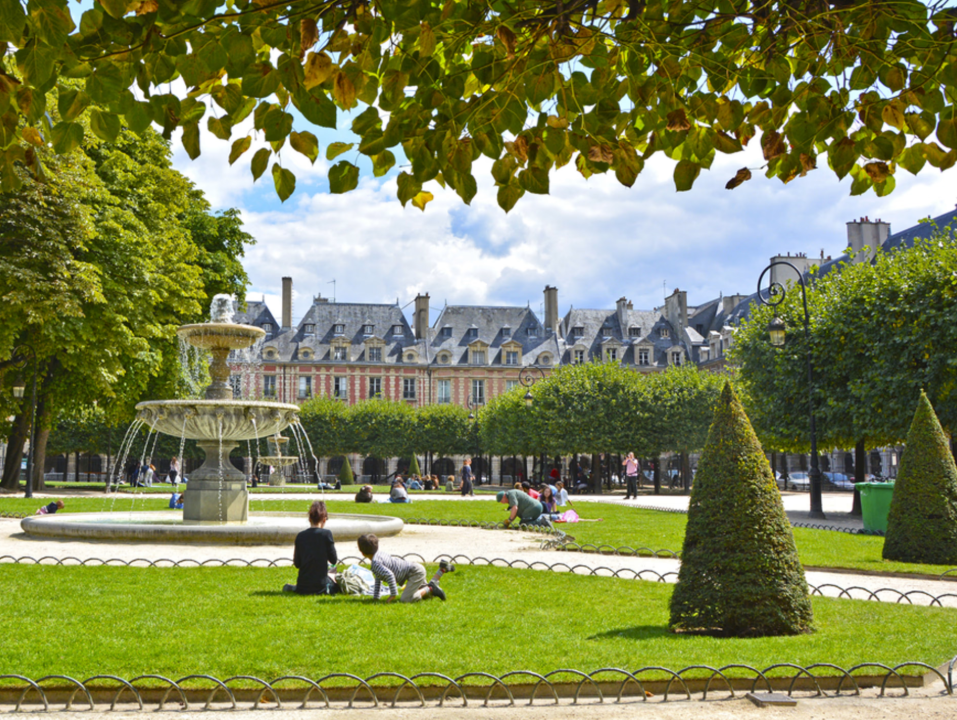
Se encuentra en el centro histórico y te pone a poca distancia de lugares como el Hôtel de Ville, Place des Vosges, Centre Pompidou y el Sena. También tienes muchos cafés, panaderías, bares y pequeñas tiendas justo afuera de tu hotel.
La mayor ventaja es simple: puedes caminar mucho.
Eso importa en París. Algunas de las mejores partes de la ciudad están entre los famosos monumentos, no dentro de ellos. El alojamiento aquí puede ser caro, especialmente alrededor de las calles más populares. Busca una propiedad cerca de una parada de Metro pero un poco alejada de las calles de vida nocturna más concurridas. Por lo general, tendrás un mejor sueño nocturno sin renunciar a la ubicación.
Primera vez en París
Elige Le Marais, Saint-Germain, el Barrio Latino o los arrondissements centrales.
Tendrás mucho que hacer cerca, y no necesitarás pasar cada mañana averiguando el transporte.
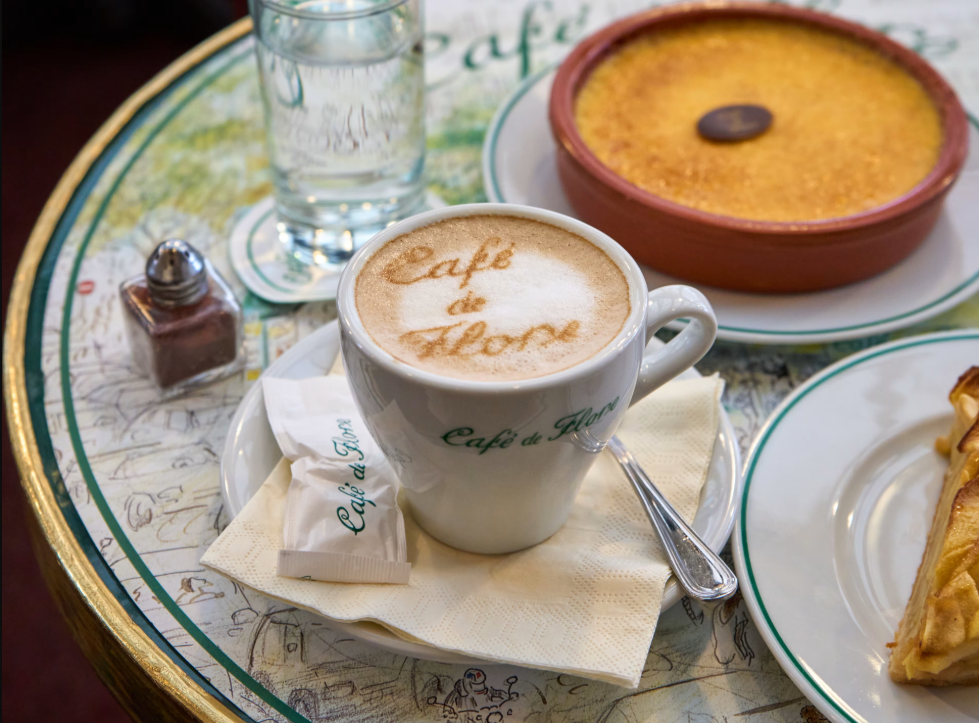
2. Saint-Germain-des-Prés: Mejor para Parejas y París Clásico
Saint-Germain es el vecindario que muchas personas imaginan cuando piensan en el París de antaño.
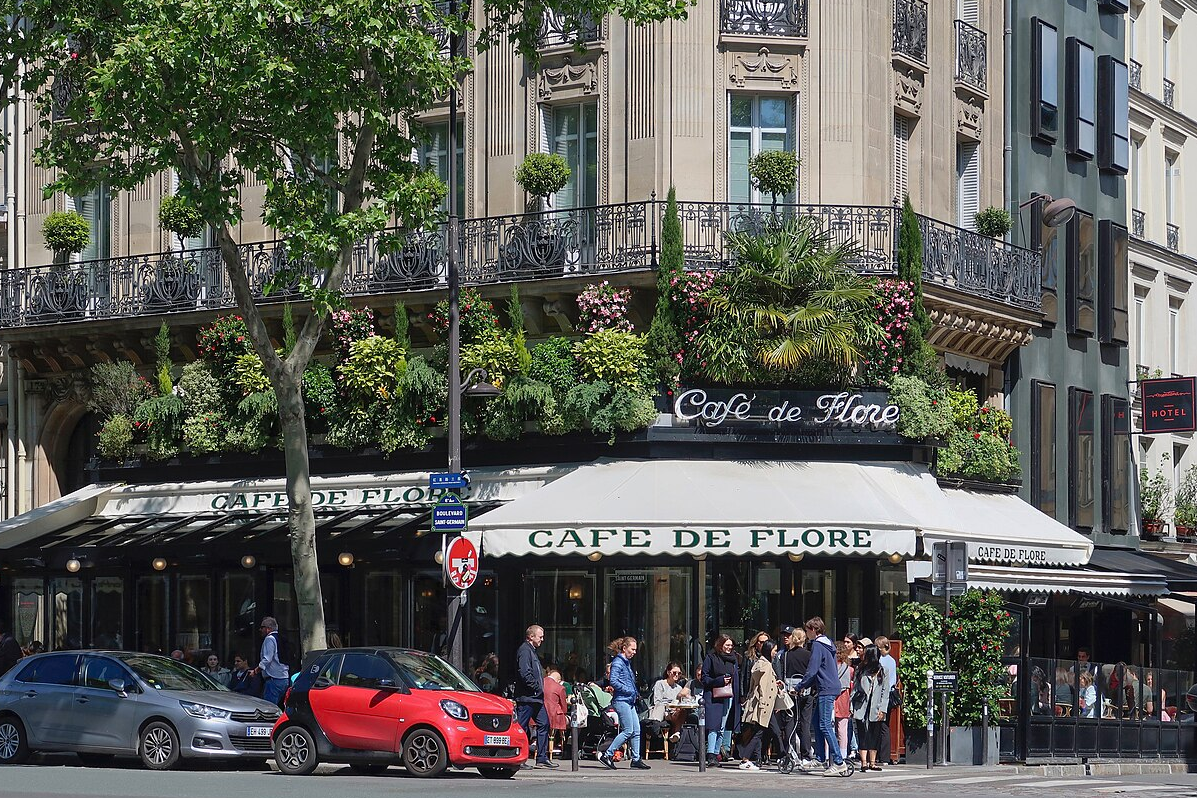
Piensa en cafés, librerías, calles elegantes, galerías y paseos fáciles a lo largo del Sena.
Está en el 6º arrondissement, cerca de los Jardines de Luxemburgo y varios museos y monumentos importantes. La oficina de turismo de París describe el 6º como un área conocida por su patrimonio, cultura, espacios verdes y su distintivo carácter parisino.
La desventaja es el precio. Este no es generalmente donde encontrarás las habitaciones de hotel más baratas de París.
Pero para una pareja que visita París durante un largo fin de semana, la ubicación puede valer el costo adicional. Alojarse a poca distancia de una estación de Metro te da un buen equilibrio entre atmósfera y fácil turismo.
Viajar como pareja
Saint-Germain, Le Marais y el 7º son opciones sólidas.
Tienes restaurantes, cafés, paseos nocturnos y muchos lugares para explorar sin planificar cada hora.
3. Barrio Latino: Mejor para un París Central Económico
El Barrio Latino está en el 5º arrondissement, en la orilla izquierda.
Es una de las mejores opciones para los viajeros que quieren una ubicación central sin pagar los precios que se encuentran en algunos de los vecindarios más caros de la ciudad.
Estarás cerca del Panteón, el Sena, el Jardín de Plantas y muchos restaurantes informales. El área también tiene una gran población estudiantil, lo que ayuda a mantener la atmósfera más relajada.
Hay un intercambio: las calles populares pueden estar ocupadas, especialmente más tarde en el día. Aún así, para un primer viaje, es difícil discutir con la combinación de ubicación, comida y transporte.
¿Es seguro el Barrio Latino?
Generalmente es un área turística popular, pero las reglas habituales de París aún se aplican. Las áreas turísticas ocupadas pueden atraer a carteristas, así que mantén tu bolso cerrado y frente a ti cuando te muevas por calles concurridas o transporte público.
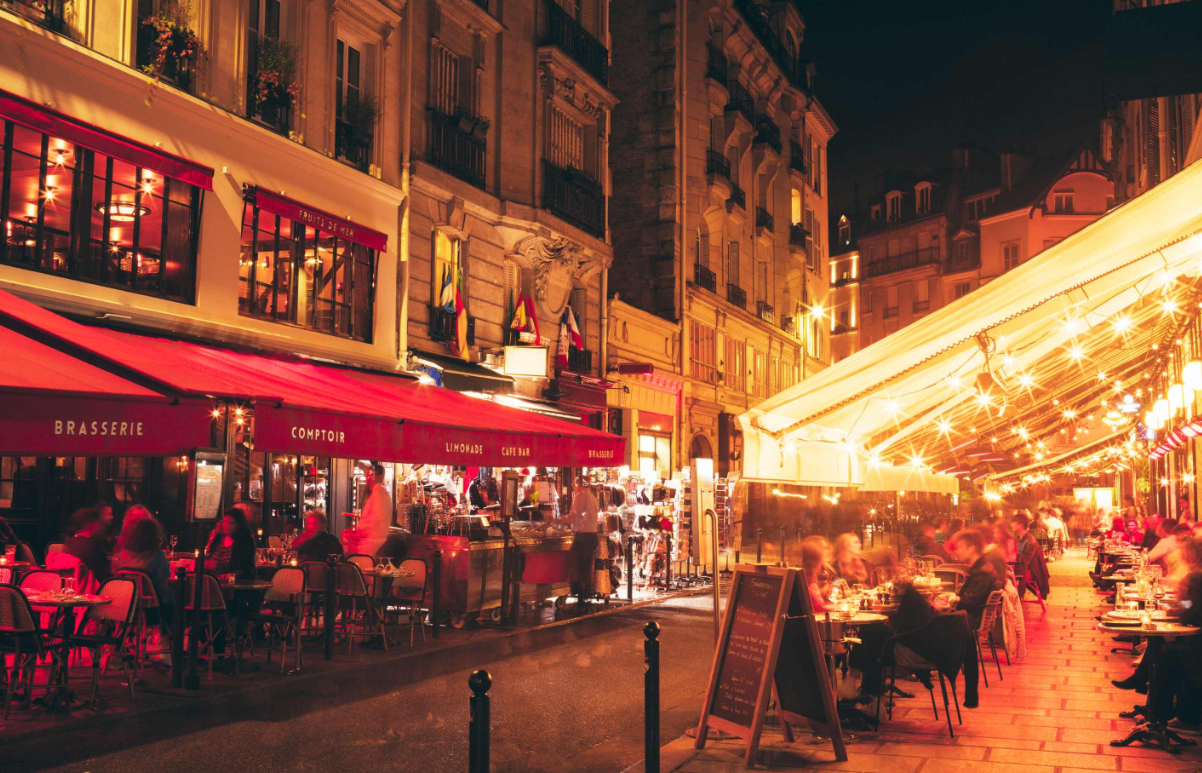

4. 1º y 2º Arrondissement: Mejor para Turismo
¿Quieres empacar la mayor cantidad de turismo posible en un viaje corto? Comienza aquí.
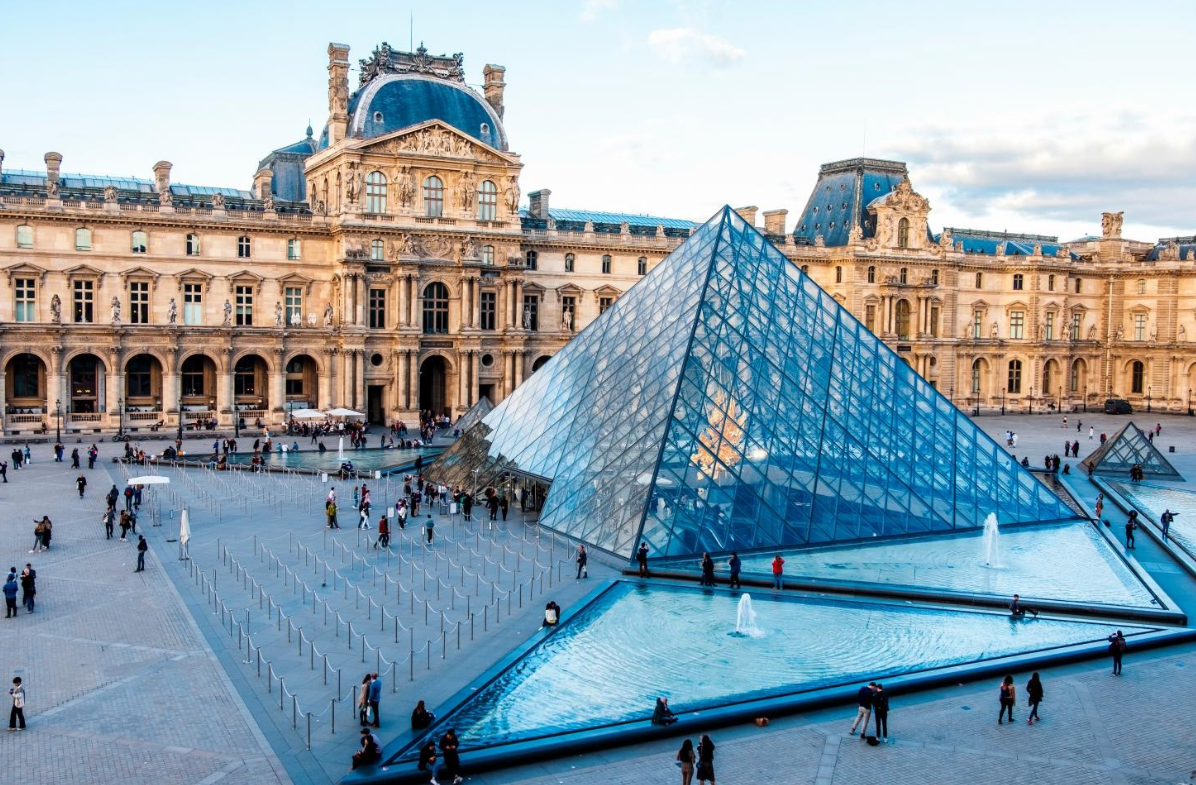
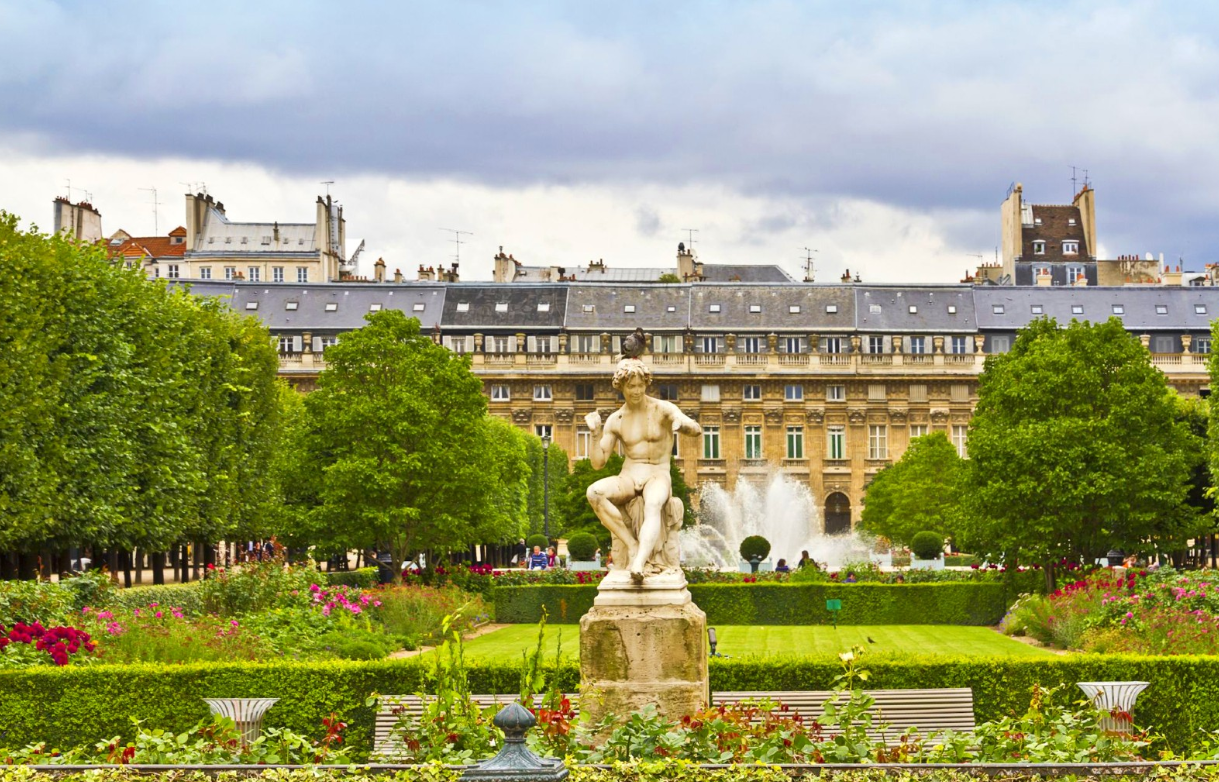
El 1º arrondissement te coloca cerca del Louvre, el Jardín de las Tullerías, el Palais Royal y el Sena. El 2º también es extremadamente central y te da fácil acceso al centro histórico mientras te acerca a algunas de las áreas de compras y restaurantes de París.
Esta es una de las opciones más fuertes para los viajeros que se quedan solo dos o tres noches.
El problema es obvio: el París central cuesta más. Estás pagando por conveniencia, y la conveniencia es valiosa cuando cada día de tu viaje es corto.
Compara el precio del hotel con el tiempo que ahorrarás en transporte. Una habitación ligeramente más cara puede tener sentido si elimina largos desplazamientos diarios.
Visitando París por 2–3 días
Aloja tan central como tu presupuesto lo permita.
Los 1º, 4º, 5º, 6º y partes cercanas del París central facilitan apilar varias atracciones en un solo día.
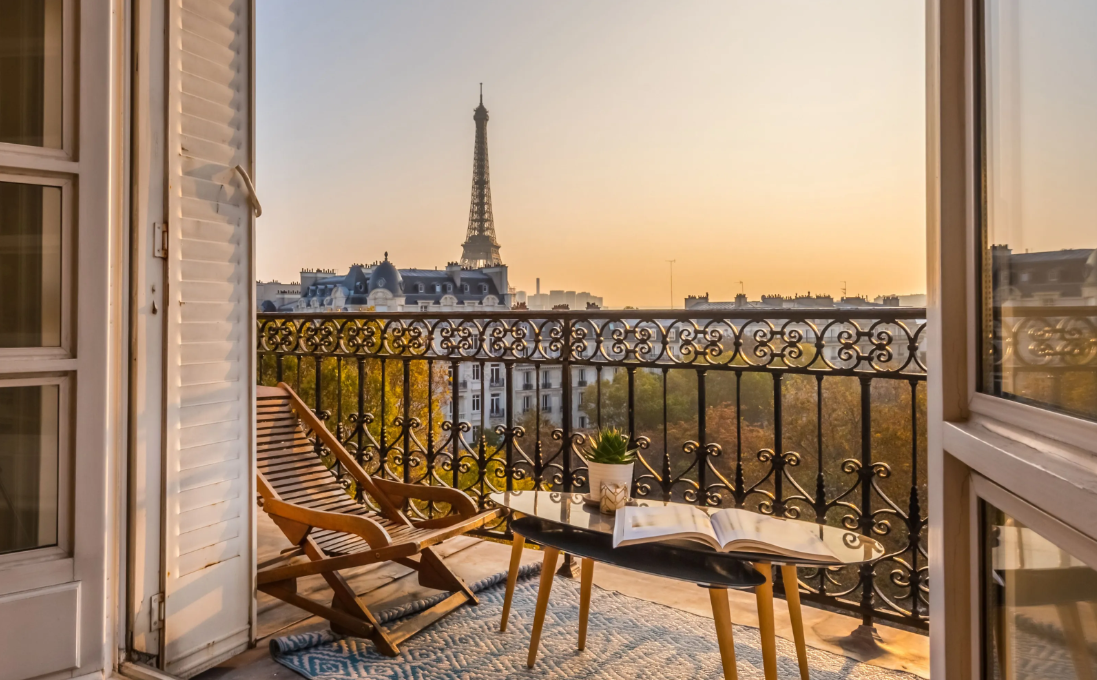
5. 7º Arrondissement: Mejor para la Torre Eiffel
Alojarse cerca de la Torre Eiffel suena perfecto. Y para algunos viajeros, lo es.
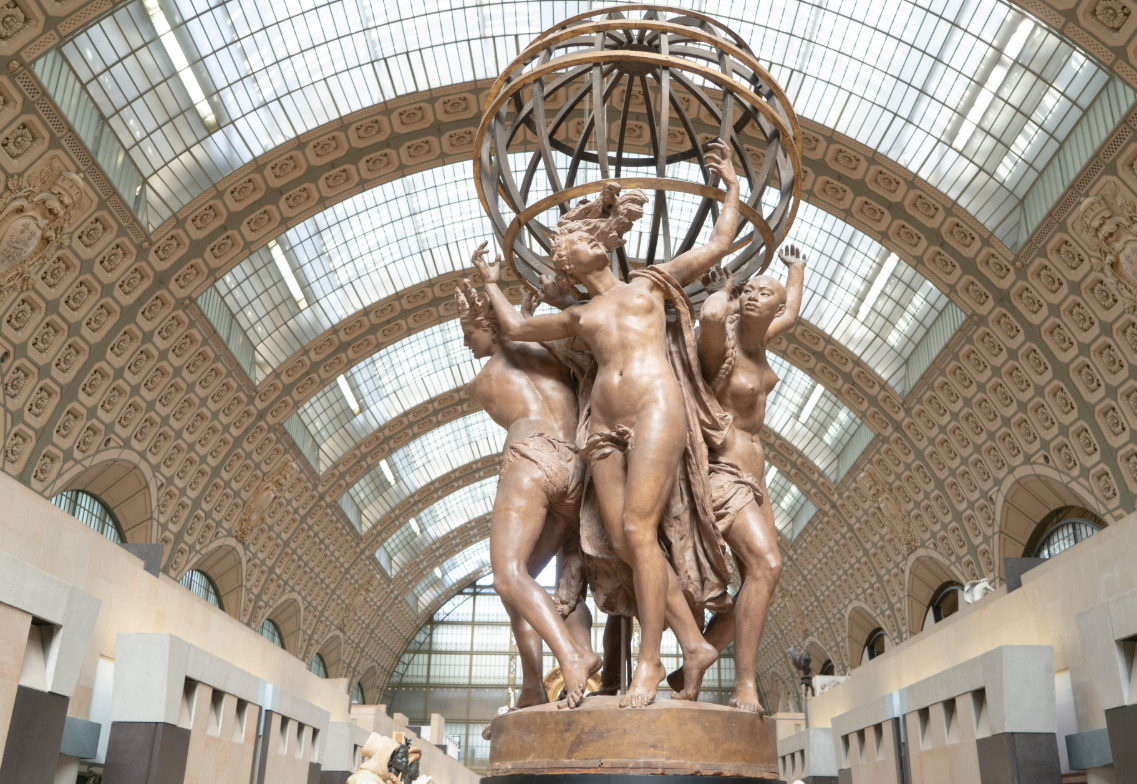
El 7º arrondissement alberga la Torre Eiffel, el Museo de Orsay, el Champ de Mars y varias otras atracciones importantes. La oficina de turismo de París también destaca los monumentos, museos, parques y restaurantes del área.
Es particularmente atractivo para parejas, familias y cualquiera que quiera despertarse cerca de uno de los monumentos más reconocibles de París. Hay un inconveniente.
Las vistas de la Torre Eiffel vienen con un precio premium. Los hoteles que publicitan vistas directas o parciales pueden costar considerablemente más que propiedades que están solo a unas pocas paradas de Metro.
No tienes que ver la Torre Eiffel desde la ventana de tu habitación. Alojarse a unas pocas calles más lejos puede darte un mejor valor.
6. Montmartre: Mejor para Vistas y un Ambiente Más Local
Montmartre es una de las partes más reconocibles de París, pero también es una de las áreas que la gente malinterpreta más. Todo el 18º arrondissement no es lo mismo.
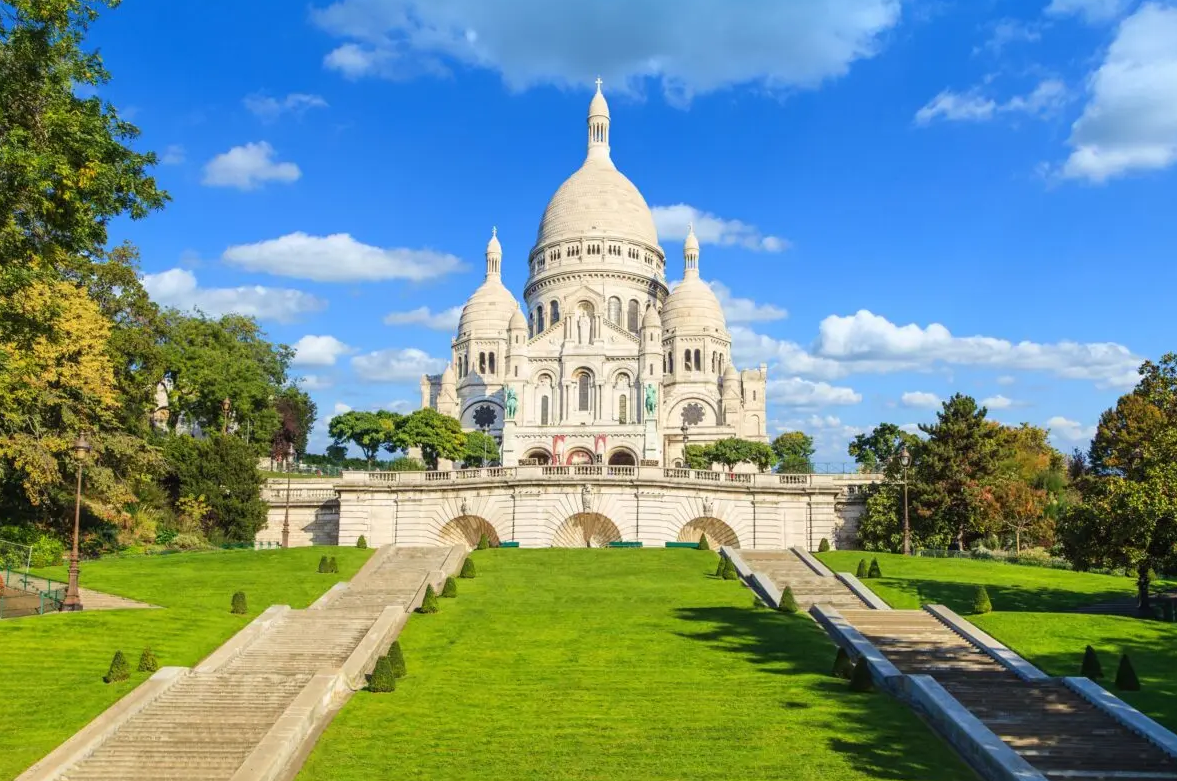
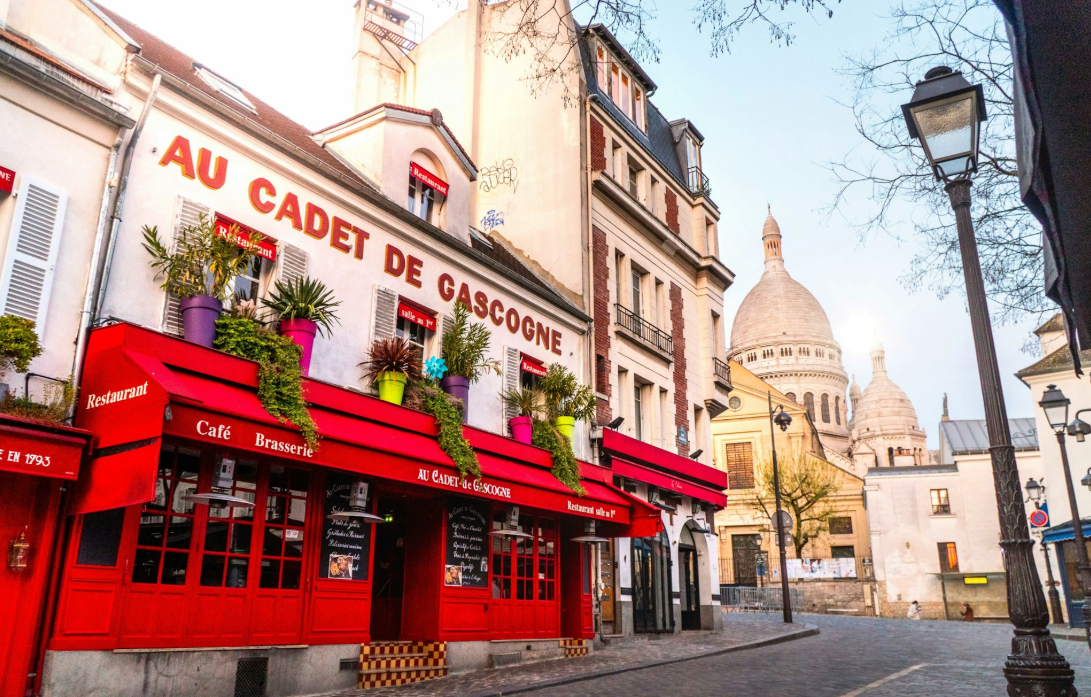
Montmartre se encuentra dentro del 18º y es conocido por el Sacré-Cœur, calles empinadas, pequeños cafés y vistas panorámicas de la ciudad. El arrondissement más amplio es mucho más mixto. La oficina de turismo de París describe el 18º como un distrito que está experimentando un cambio significativo y señala su diversidad.
Para los visitantes, la ubicación exacta de tu hotel importa. Alojarse más cerca de los principales lugares de interés de Montmartre puede darte una experiencia completamente diferente a reservar una habitación barata más al norte simplemente porque la dirección dice “18º arrondissement.”
Ten cuidado con: Las colinas. Esa maleta puede sentirse mucho más pesada después de un largo día.
Viajar con familia
Prioriza:
-
Una calle de hotel tranquila
-
Una estación de Metro cercana
-
Una habitación lo suficientemente grande para tu grupo
-
Fácil acceso a tus principales atracciones
Un código postal llamativo importa menos que esas cuatro cosas.
Viajar con un presupuesto
Mira el Barrio Latino, Montmartre y vecindarios seleccionados de la parte central exterior.
No reserves inmediatamente la habitación más barata.
Una mejor pregunta es:
¿Cuál es el hotel más barato en una ubicación que aún hace que mi itinerario diario sea fácil?
Mejores Hoteles en París: Elige por Vecindario
Buscar los mejores hoteles en París puede convertirse rápidamente en una lista de cientos de propiedades. Una mejor manera de reducirlo es elegir el vecindario primero.
Para lujo
Mira alrededor:
-
Saint-Germain-des-Prés
-
El 1º arrondissement
-
El 7º arrondissement
-
Los Campos Elíseos / 8º arrondissement
Estas áreas tienden a adaptarse a los viajeros que se preocupan más por la ubicación, el servicio y la alta cocina que por mantener bajo el precio de la habitación.
Para estancias de gama media
Considera:
-
Le Marais
-
Barrio Latino
-
Montmartre
-
9º arrondissement
Generalmente encontrarás más opciones sin alejarte demasiado del París central.
Para estancias económicas
Considera:
-
Barrio Latino
-
Montmartre
-
Partes del 10º
-
Áreas seleccionadas más al este
Pero no elijas solo por precio.
Un ahorro de €20–€30 por noche puede desaparecer rápidamente si terminas gastando más en transporte o perdiendo una hora cada día regresando a tu hotel.
Áreas a Evitar o Elegir con Cuidado en París
Primero aclaremos una cosa. “Evitar” no significa automáticamente “peligroso”erous.”
París es una gran ciudad, y las condiciones pueden cambiar de una calle a otra. Algunas áreas son simplemente más ruidosas, más concurridas o menos convenientes para los turistas que otras.
Para la mayoría de los visitantes, la pregunta debería ser:
¿Realmente disfrutaría quedándome aquí?
Barbès y La Chapelle
Estas áreas pueden ser útiles para el transporte y alojamiento económico, pero generalmente no son los primeros lugares que recomendaría a un visitante por primera vez que quiere una base hotelera fácil y relajada.
Perspectiva: Nuevamente, el punto no es que cada calle sea insegura. Es que generalmente hay mejores opciones si tu presupuesto lo permite.
Gare de l'Est
La misma idea se aplica aquí. Gare de l'Est es extremadamente conveniente para el transporte, pero los viajeros que eligen un hotel deben mirar más allá de la estación misma.
Elemento de acción: Verifica la calle exacta, lee reseñas recientes sobre ruido y los alrededores inmediatos, y observa la ruta que realmente usarás para regresar al hotel por la noche.
Distrito 18 del Norte
Aquí es donde las afirmaciones amplias pueden resultar engañosas. El 18º distrito incluye tanto áreas turísticas famosas como Montmartre como vecindarios más al norte con una atmósfera muy diferente. Así que no descartes todo el distrito.
Verificación clave: Verifica la ubicación exacta del hotel. Si estás reservando únicamente porque es uno de los resultados más baratos que encontraste en el centro de París, tómate cinco minutos para mirar las calles circundantes y las conexiones de Metro primero.
Partes del 19º Distrito
El 19º es otra área que puede parecer atractiva en un mapa de hoteles porque los precios pueden ser más bajos y el distrito tiene grandes parques, atracciones culturales y vecindarios locales. La oficina de turismo de París también destaca los parques y la vida cultural del distrito.
Compensación: No es necesariamente la primera opción para un viaje corto de turismo. Para una visita de dos o tres días, quedarse más lejos puede significar más tiempo en el Metro y menos tiempo viendo realmente París.
Gare du Nord
Gare du Nord es uno de los centros de transporte más útiles de París. Es especialmente conveniente si llegas en Eurostar u otro tren internacional. Pero una gran estación de tren no hace automáticamente un gran vecindario hotelero.
Ambiente: Muy ocupado y agitado, particularmente durante los momentos de mayor afluencia de viajeros.
Mejor para: “Llego tarde, tomo un tren temprano y necesito un lugar práctico.”
No ideal para: “Quiero abrir la puerta de mi hotel y sentirme inmediatamente como si estuviera en el París de las postales.”
Nota de seguridad: La conciencia sobre los carteristas también es importante alrededor del transporte público concurrido. RATP aconseja específicamente a los viajeros que protejan sus pertenencias porque los carteristas pueden estar presentes en toda su red.
Consejos de seguridad en París que todo turista debería conocer
No necesitas caminar por París esperando que algo salga mal. Debes evitar parecer distraído. Las áreas con muchos turistas son populares entre los carteristas. La oficina de turismo oficial de París recomienda mantener tus pertenencias seguras, mantener las bolsas cerradas y llevarlas frente a ti en áreas concurridas.
Mantén tu teléfono fuera de la vista cuando no lo estés usando
Especialmente en plataformas de Metro concurridas, trenes y calles turísticas principales.
Ten cuidado con las estafas de distracción
Peticiones, juegos, acercamientos no solicitados y otras distracciones pueden ser utilizadas para desviar tu atención de tus pertenencias.
No lleves todos tus objetos de valor juntos
Mantén un método de pago de respaldo separado de tu billetera principal.
Verifica tu ruta antes de salir
RATP recomienda planificar tu itinerario y verificar las condiciones de tráfico o servicio antes de viajar.
No asumas que un lugar concurrido es automáticamente más seguro
Las áreas turísticas ocupadas son exactamente donde los carteristas pueden tener las oportunidades más fáciles.
Sabe qué hacer si algo es robado
RATP proporciona un proceso dedicado para reportar robos para robos turísticos que ocurren en su red.
Para emergencias en Francia, los números principales incluyen 17 para la policía, 15 para emergencias médicas, 18 para servicios de bomberos y 112 como el número de emergencia europeo.