
8 Meilleurs eSIM Téléphones en 2026 : Spécifications, Prix et Comment Choisir le Bon
May 07,2026 | Wang
Choisir un bon téléphone eSIM va au-delà de cocher une case "supporte eSIM".
Le type de support eSIM, combien de profils le téléphone peut stocker, quelles bandes cellulaires il couvre à l'international, et s'il est débloqué par l'opérateur — ces facteurs déterminent si vous aurez réellement une expérience fluide en utilisant les services de voyage eSIM à l'étranger.
Qu'est-ce qui rend un téléphone un bon eSIM téléphone ?
Un véritable bon téléphone eSIM n'est pas seulement "compatible avec eSIM" — il a besoin du bon type de eSIM, d'un stockage de profils suffisant, d'une large couverture de bandes, et d'un statut débloqué.
De nombreux acheteurs confirment "supporte eSIM" et s'arrêtent là. Puis ils atterrissent dans un autre pays et ne peuvent pas activer leur eSIM de voyage — parce que le téléphone est verrouillé par l'opérateur, ou que ses bandes de fréquence ne correspondent pas au réseau local.
C'est encore pire. Certains téléphones supportent eSIM au niveau matériel mais ne peuvent stocker qu'un seul profil. Si vous utilisez déjà un eSIM comme ligne principale, il n'y a pas de place pour un eSIM de voyage à moins de supprimer d'abord l'existant.
Avant de comparer des modèles individuels, établissez un ensemble de critères de sélection axés sur eSIM. Les quatre dimensions ci-dessous sont des éléments que les critiques de téléphones standard mentionnent rarement.
Critère 1 : Type de eSIM et configuration de l'emplacement
Le support eSIM se présente sous trois formes :
| Type | Ce que cela signifie | Appareils typiques |
|---|---|---|
| nano-SIM + eSIM | Un emplacement physique plus un eSIM | La plupart des téléphones phares Android |
| DualeSIM | Deux profils eSIM actifs simultanément, pas de carte physique nécessaire | iPhone 16 série, Pixel 9 série |
| eSIM-uniquement | Pas de plateau SIM physique du tout | iPhone 16 (modèle US), certaines variantes Pixel 9 |
Pour les voyageurs, dual eSIM ou nano-SIM + eSIM offre le plus de flexibilité — vous gardez votre numéro de domicile actif tout en ajoutant un plan de données spécifique à la destination sur la deuxième ligne.
Critère 2 : Capacité de stockage des profils
"Supporte eSIM" ne signifie pas "ne peut en contenir qu'un seul."
La série iPhone 16, par exemple, peut stocker huit profils eSIM ou plus tout en gardant deux actifs à la fois — un détail que vous pouvez vérifier sur la page de support eSIM officielle d'Apple.
La série Galaxy S25 de Samsung prend également en charge plusieurs profils stockés.
Cela compte pour les voyageurs fréquents : vous pouvez précharger des plans eSIM pour plusieurs pays et simplement changer le profil actif lorsque vous atterrissez.
Critère 3 : Couverture des bandes internationales
Différents pays utilisent différentes bandes de fréquence 4G/5G. Un téléphone avec un large support de bandes délivre un meilleur signal dans plus de destinations.
Bandes clés à rechercher :
- Bandes 1, 3, 7, 20 — bandes 4G principales à travers l'Europe
- Bandes 2, 4, 12, 66 — bandes 4G principales en Amérique du Nord
- n77, n78 — bandes 5G Sub-6 dominantes à l'échelle mondiale
Priorisez toujours les modèles débloqués (sans SIM) lors de l'achat. Les versions de marque opérateur suppriment parfois des bandes qui ne sont pas utilisées sur le réseau domestique de cet opérateur, ce qui peut vous nuire à l'étranger.
Critère 4 : Statut de déverrouillage par l'opérateur
C'est le facteur le plus négligé. Un téléphone verrouillé par l'opérateur peut refuser d'installer des profils eSIM tiers, même si le matériel prend entièrement en charge eSIM.
Comment confirmer avant d'acheter :
- Demandez explicitement au vendeur si l'appareil est débloqué
- Sur un téléphone que vous possédez déjà : composez *#06# pour afficher votre IMEI, puis contactez votre opérateur pour confirmer le statut de déverrouillage
La page de spécification eSIM de la GSMA fournit des informations sur le fonctionnement de l'architecture eUICC et SM-DP+ — un contexte utile si vous souhaitez comprendre pourquoi les verrouillages opérateurs peuvent bloquer les profils tiers au niveau logiciel.
Niveau phare : expérience complète eSIM, sans compromis
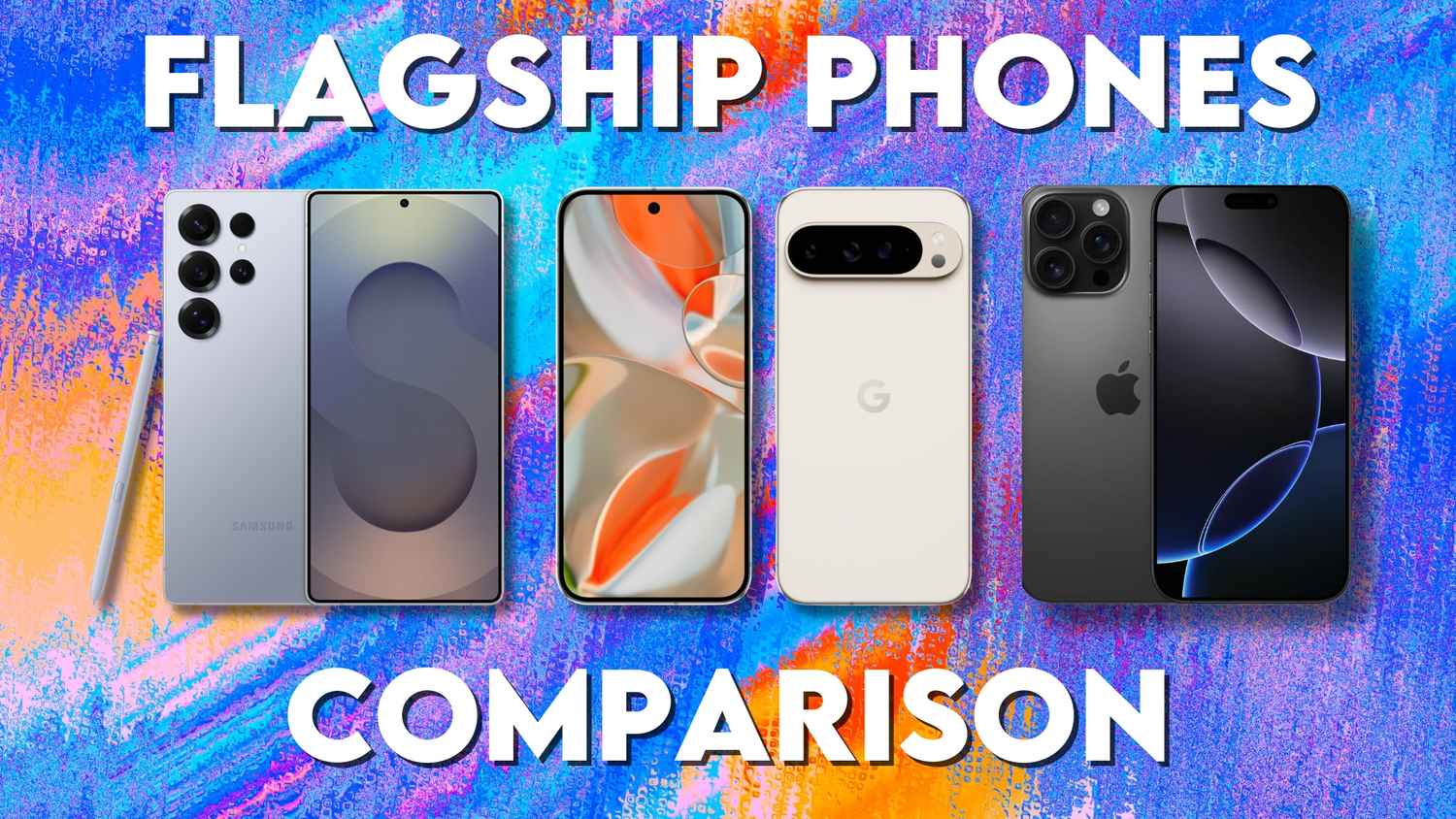
Les téléphones phares ne se contentent pas de "supporter" eSIM — ils offrent dualeSIM, stockage multi-profils, et couverture complète des bandes internationales en un seul package.
iPhone 16 Pro
| Spéc | Détail |
|---|---|
| Processeur | A18 Pro |
| RAM / Stockage | 8 Go / 128 Go – 1 To |
| Affichage | 6,3″ Super Retina XDR, 120 Hz |
| Batterie | 3 582 mAh |
| Type eSIM | Dual eSIM (modèle US : eSIM-uniquement) ; stocke 8+ profils |
| Bandes 5G | Sub-6 + mmWave (modèle US) |
| Prix de référence | ~999 USD |
Meilleur pour : Les voyageurs internationaux fréquents qui ont besoin de deux lignes eSIM actives simultanément et apprécient l'écosystème d'Apple. Le modèle US élimine complètement le plateau physique SIM — une configuration entièrement numérique dès le premier jour.
Samsung Galaxy S25 Ultra
| Spéc | Détail |
|---|---|
| Processeur | Snapdragon 8 Elite pour Galaxy |
| RAM / Stockage | 12 Go / 256 Go – 1 To |
| Affichage | 6,9″ Dynamic AMOLED 2X, 120 Hz |
| Batterie | 5 000 mAh |
| Type eSIM | nano-SIM + eSIM ; stockage multi-profils |
| Bandes 5G | Sub-6 + mmWave |
| Prix de référence | ~1 299 USD |
Meilleur pour : Les voyageurs d'affaires qui ont besoin d'un grand écran, d'un S Pen, et d'une autonomie de batterie toute la journée. La combinaison nano-SIM + eSIM vous permet de garder un SIM physique à domicile tout en ajoutant un eSIM de voyage — vous pouvez consulter la fiche technique complète sur la page officielle de Samsung Galaxy S25 Ultra.
Google Pixel 9 Pro
| Spéc | Détail |
|---|---|
| Processeur | Google Tensor G4 |
| RAM / Stockage | 16 Go / 128 Go – 1 To |
| Affichage | 6,3″ Super Actua LTPO OLED, 120 Hz |
| Batterie | 5 060 mAh |
| Type eSIM | Dual eSIM ; stockage multi-profils |
| Bandes 5G | Sub-6 (mmWave dans certaines régions) |
| Prix de référence | ~999 USD |
Meilleur pour : Les puristes d'Android qui veulent un logiciel stock, des fonctionnalités alimentées par l'IA, et un engagement de mise à jour de 7 ans. Le support dual eSIM signifie que vous pouvez vous passer complètement de plateau SIM.
Niveau intermédiaire : équilibre entre spécifications et valeur
Les téléphones de milieu de gamme offrent désormais une fonctionnalité complète eSIM à environ la moitié du prix des phares — pour la plupart des utilisateurs, c'est le bon compromis.
Google Pixel 8a
| Spéc | Détail |
|---|---|
| Processeur | Google Tensor G3 |
| RAM / Stockage | 8 Go / 128 – 256 Go |
| Affichage | 6,1″ OLED, 120 Hz |
| Batterie | 4 492 mAh |
| Type eSIM | nano-SIM + eSIM |
| Bandes 5G | Sub-6 |
| Prix de référence | ~499 USD |
Meilleur pour : Les utilisateurs qui veulent l'appareil photo de qualité phare de Pixel et des fonctionnalités d'IA sans le prix phare. La promesse de mise à jour de 7 ans de Google signifie que les capacités eSIM de ce téléphone resteront à jour pendant des années.
Samsung Galaxy A55 5G
| Spéc | Détail |
|---|---|
| Processeur | Samsung Exynos 1480 |
| RAM / Stockage | 8 Go / 128 – 256 Go |
| Affichage | 6,6″ Super AMOLED, 120 Hz |
| Batterie | 5 000 mAh |
| Type eSIM | nano-SIM + eSIM |
| Bandes 5G | Sub-6 |
| Prix de référence | ~449 USD |
Meilleur pour : Les utilisateurs de l'écosystème Samsung qui ont besoin d'un grand écran et d'une batterie de 5 000 mAh qui dure toute une journée de navigation et de streaming.
Motorola Edge 50 Fusion
| Spéc | Détail |
|---|---|
| Processeur | Snapdragon 7s Gen 2 |
| RAM / Stockage | 8 Go / 256 Go |
| Affichage | 6,7″ pOLED, 144 Hz |
| Batterie | 5 000 mAh |
| Type eSIM | nano-SIM + eSIM |
| Bandes 5G | Sub-6 |
| Prix de référence | ~399 USD |
Meilleur pour : Les utilisateurs qui privilégient la fluidité de l'affichage et l'endurance de la batterie. Le taux de rafraîchissement de 144 Hz est le plus élevé de cette catégorie, et le support eSIM + nano-SIM à double carte maintient vos options de connectivité ouvertes.
Niveau budget : accès eSIM au coût le plus bas
Vous pouvez entrer dans le monde eSIM pour moins de 400 $ — le budget n'est plus un obstacle à l'utilisation des services eSIM.
Samsung Galaxy A35 5G
| Spéc | Détail |
|---|---|
| Processeur | Samsung Exynos 1380 |
| RAM / Stockage | 6 Go / 128 – 256 Go |
| Affichage | 6,6″ Super AMOLED, 120 Hz |
| Batterie | 5 000 mAh |
| Type eSIM | nano-SIM + eSIM |
| Bandes 5G | Sub-6 |
| Prix de référence | ~399 USD |
Meilleur pour : Les acheteurs soucieux de leur budget qui refusent de sacrifier la qualité de l'écran ou l'autonomie de la batterie. eSIM + nano-SIM à ce prix est rare et vraiment utile pour les voyageurs.
Google Pixel 7a
| Spéc | Détail |
|---|---|
| Processeur | Google Tensor G2 |
| RAM / Stockage | 8 Go / 128 Go |
| Affichage | 6,1″ OLED, 90Hz |
| Batterie | 4 385 mAh |
| Type eSIM | nano-SIM + eSIM |
| Bandes 5G | Sub-6 |
| Prix de référence | ~349 USD (souvent moins cher grâce aux promotions) |
Meilleur pour : Le meilleur choix en termes de rapport qualité-prix. La puce Tensor G2 offre toujours de solides performances en matière de caméra IA, et le téléphone reste dans la fenêtre de mise à jour logicielle de Google — le tout pour moins de 350 $.
Comparaison côte à côte : les 8 téléphones dans un tableau
Un tableau, toutes les spécifications clés — scannez-le en 30 secondes pour réduire votre liste.
| Téléphone | Niveau | Processeur | RAM | Batterie | Affichage | Type eSIM | 5G | Prix (USD) |
|---|---|---|---|---|---|---|---|---|
|
iPhone 16 Pro Dual eSIMeSIM-uniquement (US) |
Phare | A18 Pro | 8 Go | 3 582 mAh | 6,3″ 120Hz | Dual eSIM Pas de pSIM (US) | Sub-6 + mmWave | 999 $ |
| Galaxy S25 Ultra | Phare | SD8 Elite | 12 Go | 5 000 mAh Toute la journée | 6,9″ 120Hz | nano-SIM + eSIM | Sub-6 + mmWave | 1 299 $ |
|
Pixel 9 ProDual eSIM |
Phare | Tensor G4 | 16 Go | 5 060 mAh | 6,3″ 120Hz | Dual eSIM | Sub-6 | 999 $ |
|
Pixel 8a ⭐ Meilleur rapport qualité-prix |
Milieu de gamme | Tensor G3 | 8 Go | 4 492 mAh | 6,1″ 120Hz | nano-SIM + eSIM | Sub-6 | 499 $ |
| Galaxy A55 5G | Milieu de gamme | Exynos 1480 | 8 Go | 5 000 mAh | 6,6″ 120Hz | nano-SIM + eSIM | Sub-6 | 449 $ |
| Moto Edge 50 Fusion | Milieu de gamme | SD 7s Gen 2 | 8 Go | 5 000 mAh | 6,7″ 144Hz | nano-SIM + eSIM | Sub-6 | 399 $ |
| Galaxy A35 5G | Budget | Exynos 1380 | 6 Go | 5 000 mAh | 6,6″ 120Hz | nano-SIM + eSIM | Sub-6 | 399 $ |
|
Pixel 7a 💰 Meilleur budget eSIM |
Budget | Tensor G2 | 8 Go | 4 385 mAh | 6,1″ 90Hz | nano-SIM + eSIM | Sub-6 | 349 $ |
Remarque : Les prix reflètent le prix de vente conseillé par le fabricant en USD au moment de la rédaction. Les prix réels varient selon la région, le détaillant et les promotions. "Dual eSIM" signifie que deux profils eSIM peuvent être actifs simultanément.
Règles de décision rapide :
- Budget le plus serré → Pixel 7a (349 $, spécifications équilibrées dans l'ensemble)
- Durée de vie de la batterie avant tout → Galaxy S25 Ultra, Galaxy A55, Moto Edge 50 Fusion ou Galaxy A35 (tous 5 000 mAh)
- Dual eSIM / pas de SIM physique nécessaire → iPhone 16 Pro ou Pixel 9 Pro
- Écran le plus grand → Galaxy S25 Ultra (6,9″)
- Le plus long support logiciel → Pixel 9 Pro ou Pixel 8a (engagement de mise à jour de 7 ans)
Téléphone non sur la liste ? 3 étapes pour vérifier la compatibilité eSIM
Ces 8 choix sont sélectionnés, mais l'univers eSIM est beaucoup plus vaste — trois étapes rapides vous permettent de vérifier la compatibilité sur n'importe quel téléphone.
Les téléphones ci-dessus sont des recommandations sélectionnées, pas une liste exhaustive. Si vous possédez déjà un appareil différent ou si vous avez un modèle en tête qui n'est pas couvert ici, utilisez les étapes suivantes pour confirmer le support eSIM.
Étape 1 : Recherchez l'option eSIM dans les paramètres
| OS | Chemin |
|---|---|
| iOS | Paramètres → Cellulaire → Ajouter eSIM (ou "Ajouter un plan cellulaire") |
| Android | Paramètres → Réseau et Internet → SIMs → Ajouter eSIM (le chemin varie légèrement selon la marque) |
Si l'option "Ajouter eSIM" apparaît, à la fois le matériel et le système d'exploitation prennent en charge eSIM.
Étape 2 : Confirmer l'EID via la vérification IMEI
Composez *#06# sur votre téléphone. L'écran affichera votre IMEI et, si eSIM est pris en charge, un EID (un identifiant à 32 chiffres).
La présence d'un EID confirme que votre téléphone dispose d'une puce eUICC intégrée capable de télécharger des profils eSIM.
La documentation de support ByteSIM explique comment trouver votre IMEI et votre EID sur n'importe quel appareil Android.
Étape 3 : Vérifiez l'état de déverrouillage de l'opérateur
Même avec un matériel eSIM, un téléphone verrouillé par un opérateur peut bloquer l'installation de eSIM par des tiers. Voici comment vérifier :
- iPhone : Paramètres → Général → À propos → recherchez "Verrouillage de l'opérateur" — cela devrait indiquer "Aucune restriction SIM"
- Android : Contactez votre opérateur d'origine avec votre IMEI, ou essayez d'insérer une carte SIM d'un autre opérateur
Les trois étapes sont-elles concluantes ? Votre téléphone est prêt pour eSIM. La prochaine étape consiste à choisir un plan de données qui correspond à votre destination.
ByteSIM propose des plans eSIM pour plus de 200 destinations dans le monde, afin que vous puissiez parcourir les pays disponibles et trouver un plan avant votre voyage.
Comment activer un eSIM sur votre nouveau téléphone
L'activation de eSIM prend généralement moins de cinq minutes via un scan de code QR, mais trois conditions préalables doivent d'abord être remplies.
Une fois que vous avez confirmé que votre téléphone prend en charge eSIM, le processus d'activation est simple.
Conditions préalables :
- Votre téléphone est connecté à un Wi-Fi stable (le téléchargement du profil initial nécessite Internet)
- L'appareil est déverrouillé par l'opérateur
- Vous avez acheté un plan eSIM et reçu un code QR ou un code d'activation
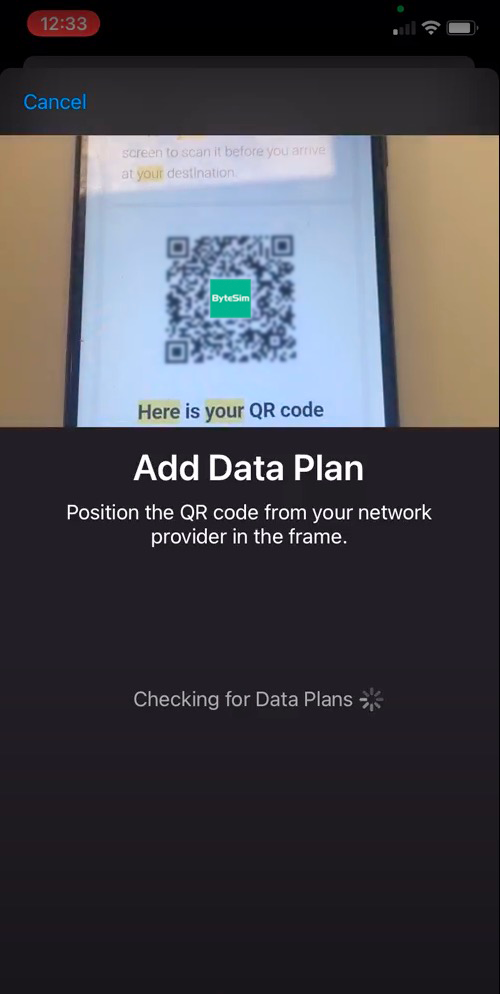
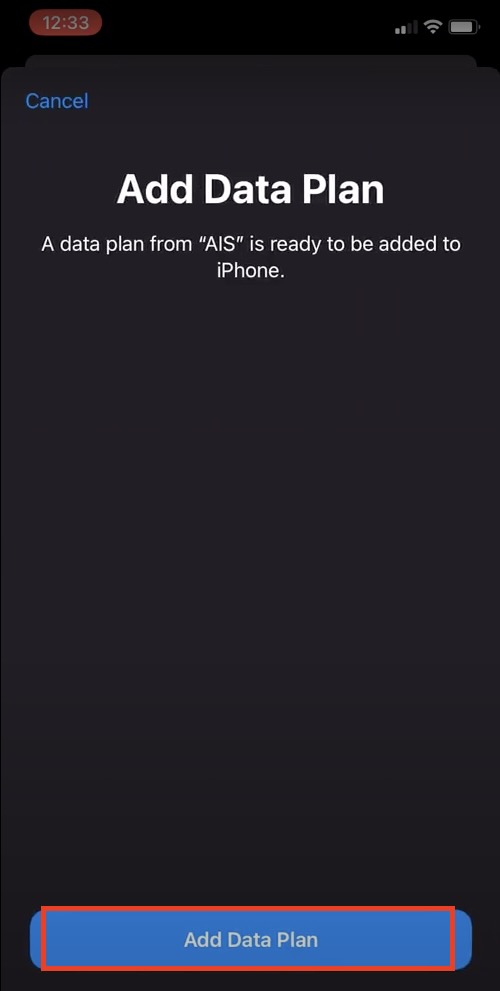
Étapes d'activation (méthode du code QR) :
- Ouvrez les paramètres et accédez à la page eSIM / Cellulaire
- Appuyez sur "Ajouter eSIM" → sélectionnez "Utiliser le code QR"
- Scannez le code QR fourni par votre fournisseur de eSIM
- Attendez que le profil eSIM soit téléchargé (généralement de 30 secondes à 2 minutes)
- Étiquetez la nouvelle eSIM (par exemple, "Données de voyage") pour une identification facile
- Choisissez si vous souhaitez la définir comme votre ligne de données par défaut
Une chose à noter : Certains plans eSIM peuvent être installés à l'avance mais ne commencent à compter la validité qu'une fois que vous vous connectez à un réseau à votre destination. Toujours confirmer la politique d'activation avant d'acheter.
ByteSIM fournit un guide détaillé pour configurer un eSIM sur iPhone si vous souhaitez des captures d'écran étape par étape spécifiques à iOS.
FAQ
Tous les téléphones 5G prennent-ils en charge eSIM ?
Non. La 5G et eSIM sont des technologies indépendantes. Certains téléphones 5G — en particulier certains modèles vendus en Chine continentale — ne comprennent pas le support eSIM. Vérifiez toujours la compatibilité eSIM pour votre modèle spécifique et votre variante régionale avant d'acheter.
Est-ce que eSIM est mieux sur iPhone ou Android ?
Les deux plateformes gèrent bien eSIM à ce stade. La série iPhone 16 prend en charge le dual eSIM avec un flux d'activation cohérent. Du côté Android, Google Pixel offre l'expérience eSIM la plus fluide, suivie de Samsung. Les différences concernent principalement la disposition des menus, pas la fonctionnalité.
Puis-je toujours utiliser une carte SIM physique en plus de eSIM ?
Oui, si votre téléphone a un emplacement nano-SIM — ce que la plupart des modèles Android ont. Vous pouvez faire fonctionner une SIM physique et un eSIM simultanément. L'exception est le modèle iPhone 16 américain, qui est uniquement eSIM et n'a pas de tiroir SIM physique. D'autres variantes régionales de l'iPhone 16 incluent toujours un emplacement nano-SIM.
Un téléphone verrouillé par un opérateur fonctionnera-t-il avec des services eSIM tiers ?
Le matériel peut prendre en charge eSIM, mais un verrouillage par un opérateur peut vous restreindre aux plans eSIM de cet opérateur. Pour utiliser des services comme ByteSIM, votre téléphone doit être déverrouillé par l'opérateur. Contactez votre opérateur pour demander un déverrouillage si nécessaire.
Combien de profils eSIM un téléphone peut-il contenir ?
Cela varie selon le modèle. La série iPhone 16 peut stocker huit profils eSIM ou plus avec deux actifs à la fois. La plupart des téléphones Android stockent de cinq à sept profils. Vérifiez la page des spécifications officielles de votre fabricant pour le nombre exact.
Puis-je utiliser eSIM sur un téléphone d'occasion ?
Oui — à condition que trois conditions soient remplies : (1) le matériel prend en charge eSIM, (2) le précédent propriétaire a supprimé le verrouillage de l'opérateur, et (3) tous les anciens profils eSIM ont été supprimés. Composez *#06# avant d'acheter pour confirmer qu'un EID est présent.
Quels pays prennent en charge le voyage eSIM ?
La couverture dépend du fournisseur eSIM. ByteSIM couvre actuellement plus de 200 destinations, et vous pouvez consulter la liste complète des pays et régions disponibles sur leur page de destination.
Conclusion
Le cadre décisionnel est simple : d'abord confirmer le type eSIM et l'état de déverrouillage, puis comparer les spécifications et le prix.
Au niveau phare, l'iPhone 16 Pro, le Galaxy S25 Ultra et le Pixel 9 Pro offrent l'expérience eSIM la plus complète — dual eSIM, stockage multi-profils et couverture des bandes mondiales.
Dans le milieu de gamme, le Pixel 8a, le Galaxy A55 et le Moto Edge 50 Fusion fournissent environ 90 % de cette expérience à moitié prix.
Et à l'extrémité budget, le Pixel 7a et le Galaxy A35 prouvent que 349399 est suffisant pour obtenir un accès complet à eSIM.
Continuez à lire :
Si vous avez déjà choisi votre téléphone, ces guides peuvent vous aider avec les prochaines étapes :
- Apprenez à installer et activer un eSIM étape par étape dans le guide de configuration ByteSIM
- Vous prévoyez un voyage aux États-Unis ? Consultez les derniers plans et prix ByteSIM pour les États-Unis eSIM
Commentaire