Japan's rail network makes it easy to travel between major cities and explore local destinations, but navigating different train operators, ticket types, and transfers can be challenging for first-time visitors. Knowing how to plan routes, buy the right tickets, and check train schedules can make your journey smoother. Mobile data is equally useful when traveling by train in Japan. With a reliable connection, you can check routes, confirm reservations, translate station signs, and adjust plans when delays occur. This guide covers Japan's railway system, ticket options, essential navigation apps, and how a Japan eSIM can help you stay connected throughout your trip.
Understanding Japan's Railway System
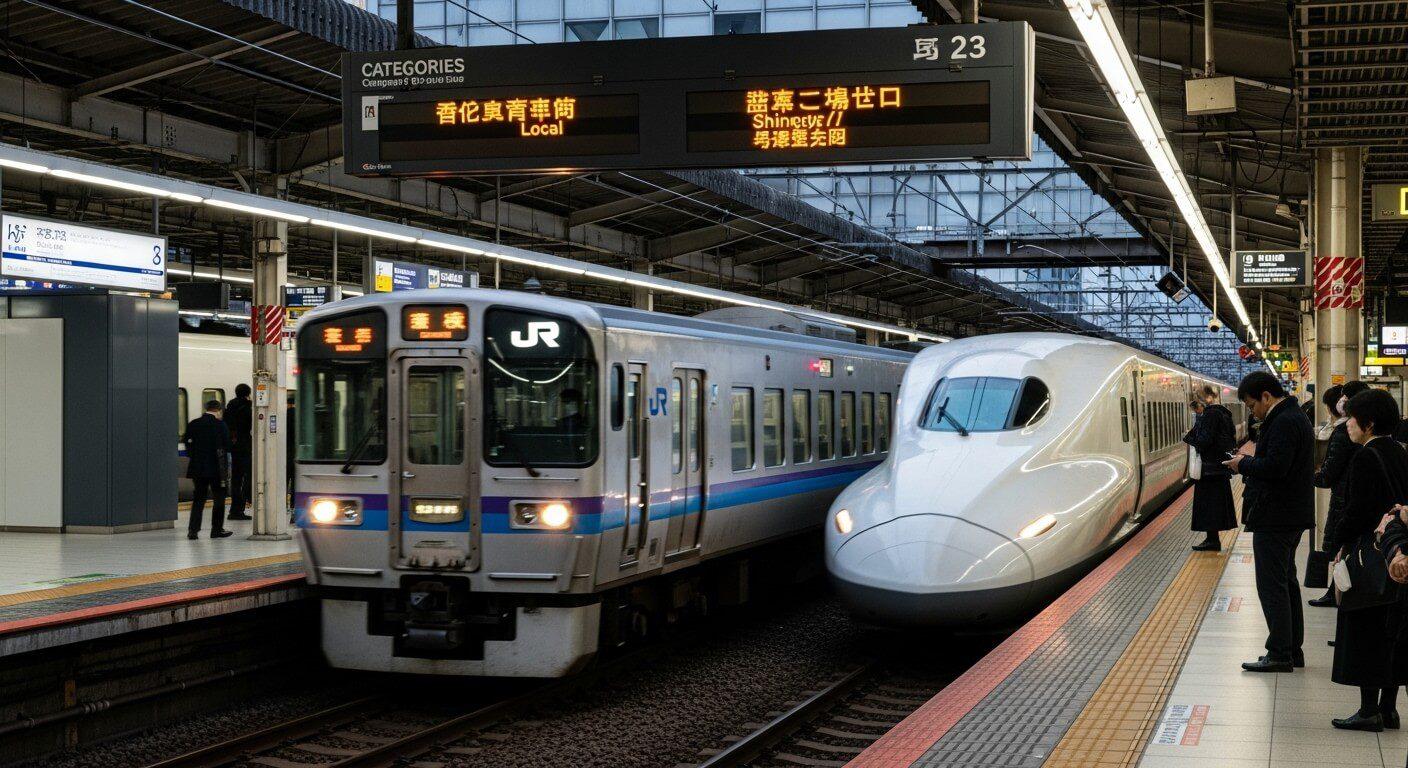
Japan's railway network includes JR lines, private railways, and urban subway systems. Understanding who operates each service and how train types differ will help you choose the right route for your trip.
Major Railway Operators in Japan
| Railway system | Main purpose | Examples |
|---|---|---|
| JR (Japan Railways) | Intercity, regional, and urban travel | JR East, JR Central, JR West |
| Private railways | Regional connections, suburban routes, and access to tourist destinations | Odakyu, Keio, Kintetsu |
| Subways | Travel within major metropolitan areas | Tokyo Metro, Toei Subway |
JR lines connect major cities and regional destinations, while some also serve as commuter routes within cities. Private railway companies operate their own networks, often linking urban centers with suburbs, airports, and popular attractions. Subways are particularly useful for getting around cities such as Tokyo and Osaka.
Common Train Types in Japan
Japan's trains also differ in how frequently they stop and how far they travel.
| Train type | Best for | Key characteristics |
|---|---|---|
| Local | Short trips and nearby stations | Stops at every station on its route. |
| Rapid | Regional and urban journeys | Skips selected stations, usually reducing travel time. |
| Express / Limited Express | Longer regional journeys | Stops at fewer stations; Limited Express services may require an additional fare. |
| Shinkansen | Long-distance intercity travel | High-speed trains connecting major cities and regions. |
For example, local and rapid trains are useful for everyday travel within a city or region, while Limited Express services can connect major destinations with fewer stops. Shinkansen trains are generally the most convenient option for longer journeys, such as Tokyo to Kyoto or Osaka.
Tip: Before choosing a train, check its destination, stopping pattern, and total journey time. The fastest service may skip your intended station, and some routes require transfers between different railway operators.
How to Buy Train Tickets in Japan
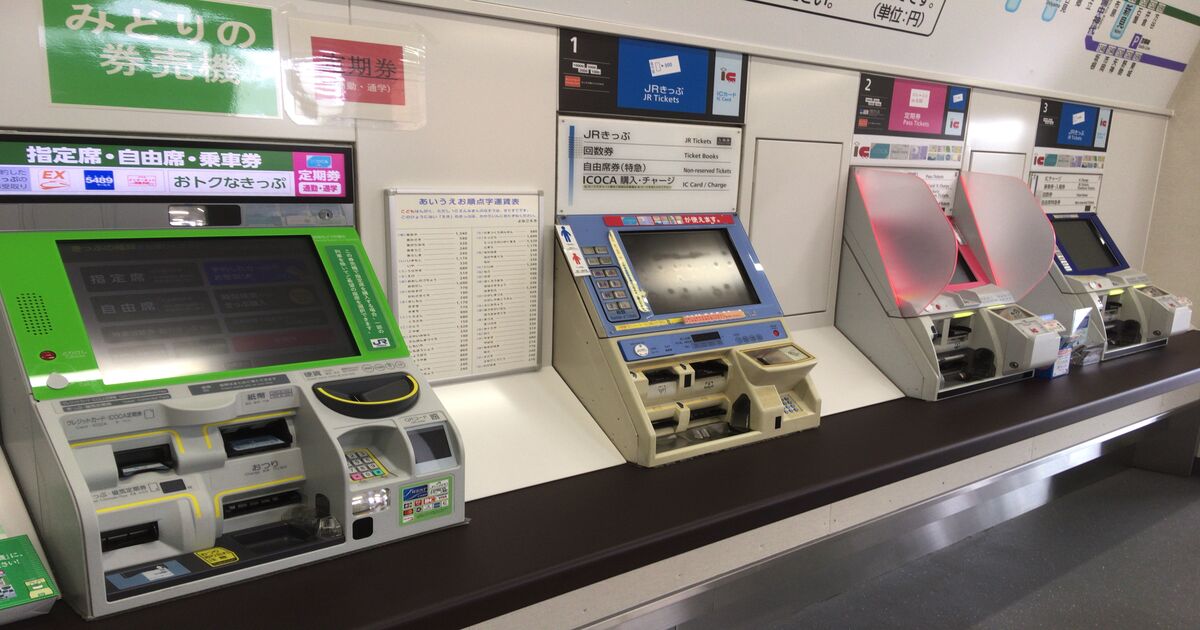
Japan offers several ways to pay for train journeys, including paper tickets, IC cards, and rail passes. The best option depends on where you plan to travel, how often you will use the train, and whether you need a reserved seat.
Paper Tickets vs. IC Cards vs. Rail Passes
| Ticket type | Best for | What to know |
|---|---|---|
| Paper tickets | Single journeys and specific train services | Available at ticket machines and station ticket offices. Some journeys require separate fare and express tickets. |
| IC cards (Suica, PASMO, ICOCA) | Frequent local train, subway, and bus trips | Tap in and out at supported gates. Coverage and use on long-distance routes vary. |
| JR Pass and regional rail passes | Travelers taking multiple eligible rail journeys | Compare the pass price with individual fares and check which operators and services are covered. |
For short trips within cities, an IC card is often convenient because you can tap at the ticket gates instead of buying a ticket for each journey. For long-distance travel, check individual fares and applicable rail passes before deciding which option offers better value.
Reserved Seats vs. Non-Reserved Seats
On eligible Shinkansen and Limited Express services, you may be able to choose between reserved and non-reserved seating.
- Reserved seats: Your ticket specifies a particular seat. This is a practical choice during busy periods or when traveling with companions.
- Non-reserved seats: You can sit in an available seat in designated non-reserved cars, where offered. Seats are not guaranteed, and you may need to stand if the cars are full.
- Green Car: A higher-class seating option available on certain services, usually at a higher fare.
Some trains operate with reserved seats only, so check the rules for your specific service before traveling. During peak periods, holidays, and popular travel seasons, reserving a seat in advance can make long-distance journeys more predictable.
Where to Buy Train Tickets
You can purchase tickets through several channels:
- Ticket machines: Available at many stations, with English-language instructions at many locations.
- Station ticket offices: Useful for complex itineraries, seat reservations, and questions about ticket validity.
- Official online booking platforms: Allow you to reserve eligible services in advance. For example, smart-ex.jp supports eligible Tokaido, Sanyo, and Kyushu Shinkansen journeys.
- IC card services: Physical cards can be purchased or topped up at supported locations. Availability and purchase procedures vary by card and station.
Before You Board
Check these details before starting your journey:
- Confirm the departure and arrival stations. Major cities may have several stations, and similarly named stations can be in different locations.
- Check the train name and departure time. Different services may use the same platform but stop at different stations.
- Verify your ticket requirements. Some long-distance journeys require both a basic-fare ticket and an express or Shinkansen ticket, unless you have a valid combined ticket or booking.
- Keep your ticket or booking details accessible. Save confirmation emails, QR codes, or ticket information offline when possible.
Mobile data can help you check reservations, station information, and schedule updates while traveling. However, keep essential ticket details available offline rather than relying entirely on an internet connection.
The Best Apps for Navigating Japan by Train
Japan's rail network involves multiple operators and interconnected routes. These apps help you find train connections, compare travel times, and navigate major stations.
Best Apps for Japan Train Travel
| App | Best for | Key features |
|---|---|---|
| Google Maps | Everyday route planning | Train routes, estimated travel times, transfers, and walking directions. |
| Japan Travel by NAVITIME |
Detailed rail journey planning | Route searches, transfer information, timetable details, and travel-planning tools. |
| Jorudan Japan Transit Planner |
Comparing train routes | Train connections, estimated fares, travel times, and transfer options. |
| Official railway websites and apps |
Operator-specific information | Reservation management, service announcements, and updates for supported routes. |
Features may vary by app, region, and subscription plan. For important connections or disruptions, verify details using the relevant railway operator's official information.
Stations and Transfers That Can Be Confusing
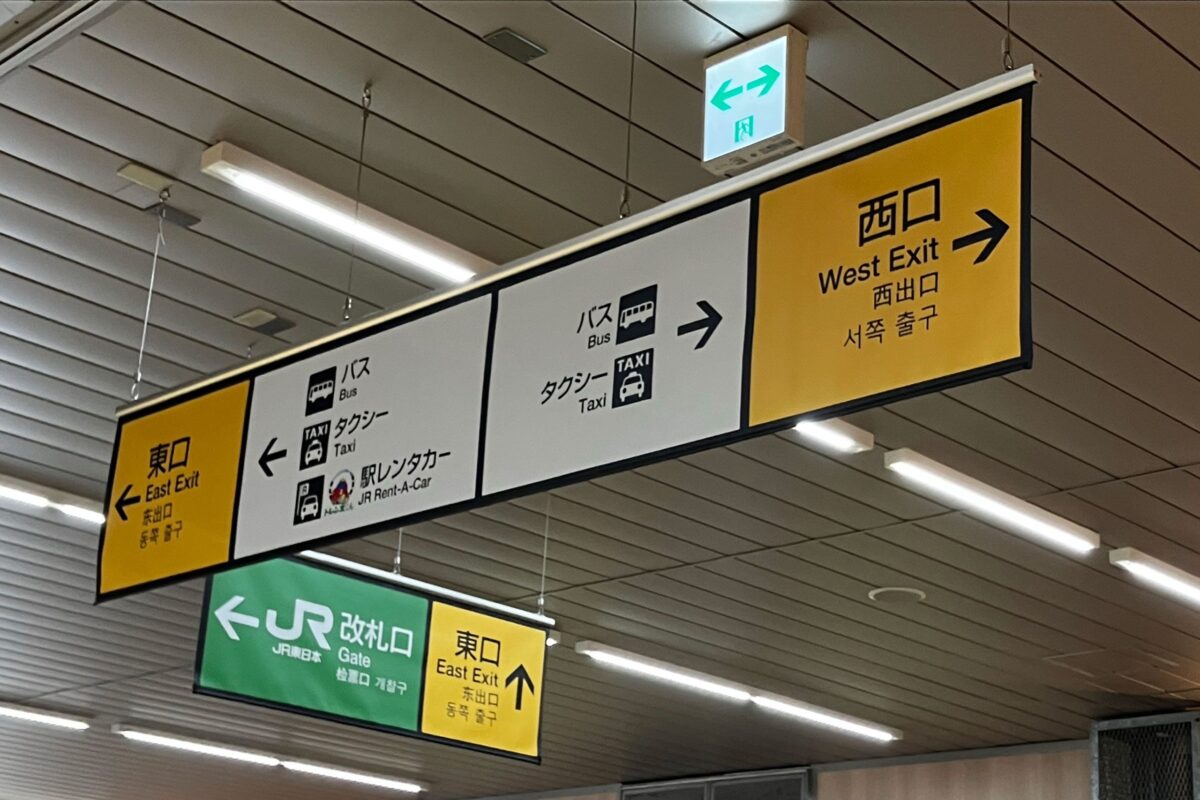
Some of Japan's major stations are large, have multiple entrances, or serve several railway operators. Knowing the differences can help you avoid unnecessary detours and missed connections.
1. Tokyo Station vs. Shinagawa Station
Both stations serve the Tokaido Shinkansen, but they are in different parts of Tokyo. Tokyo Station is convenient for central Tokyo and connections to several JR lines, while Shinagawa can be a useful boarding point for travelers staying in southern Tokyo or arriving via Haneda Airport. Check which station best fits your itinerary before booking.
2. Shinjuku Station vs. Shinjuku-sanchome Station
Shinjuku Station is a major interchange for JR and several private railway lines. Shinjuku-sanchome is a separate subway station serving Tokyo Metro and Toei Subway lines. Although they are close to each other, they are not the same station, and transfers may require walking between station areas.
3. Osaka Station vs. Shin-Osaka Station
Osaka Station serves JR services in the Umeda area, while Shin-Osaka Station is the main Shinkansen station for Osaka. If you are traveling by bullet train, make sure your route leads to Shin-Osaka rather than Osaka Station. Allow extra time for the transfer between them.
Tip: When searching for a route, use the full station name and check the operator, exit, and transfer instructions. This is particularly important in Tokyo and Osaka, where several railway networks overlap.
Why Mobile Data Matters When Traveling in Japan
Mobile data makes train travel in Japan easier by giving you access to route information, digital reservations, and translation tools while on the move. It is particularly useful when navigating unfamiliar stations or adjusting your itinerary.
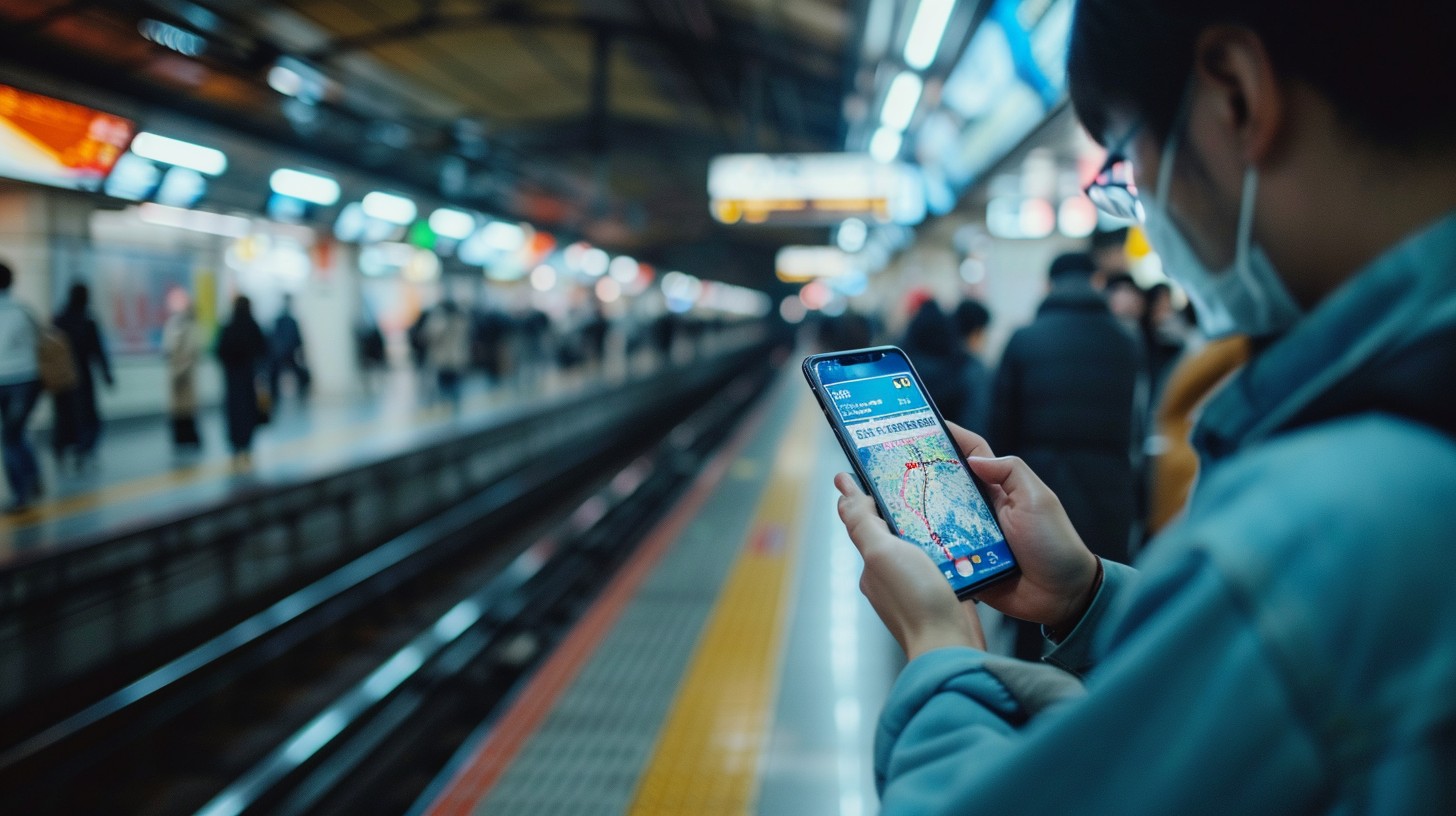
Why You Need Mobile Data for Japan Rail Travel
- Check train routes and schedules: Find connections, compare departure times, and search for alternative routes when plans change.
- Access booking information: Retrieve digital reservations and confirmation details without relying on station Wi-Fi.
- Navigate unfamiliar stations: Use online maps to locate station entrances, exits, nearby attractions, and connecting transport.
- Translate Japanese signs and announcements: Access online translation tools when you need help understanding travel information.
- Stay in touch: Contact travel companions, accommodation providers, or transport services while moving between destinations.
Note: Mobile data does not guarantee uninterrupted connectivity, especially in tunnels or remote areas. Save essential tickets, addresses, and itinerary details offline as a backup.
Stay Connected in Japan with ByteSIM
For travelers who want mobile data throughout their Japan trip, ByteSIM Japan eSIM offers a convenient alternative to purchasing and swapping a physical SIM card. Once installed and configured on a compatible, carrier-unlocked device, it lets you access mobile data according to your plan's coverage and activation requirements.
Before your trip, check your phone's eSIM compatibility, choose a data plan that matches your travel duration and usage, and follow ByteSIM's setup instructions. Installing the eSIM before departure can help you prepare in advance, while checking its activation policy helps you avoid starting a validity period earlier than intended.
With mobile data ready for your journey, you can check train connections, find your way around unfamiliar stations, and manage travel arrangements more conveniently.
Traveling Japan by train?
Stay connected with ByteSIM Japan eSIM — mobile data for route planning, reservations, and station navigation.
Explore ByteSIM eSIM →Practical Tips for a Smooth Japan Rail Journey
A few practical precautions can help you avoid missed connections, unexpected costs, and common problems when traveling by train in Japan.
1. Allow Extra Time for Transfers
Large stations such as Tokyo and Shinjuku have multiple platforms, exits, and railway operators. Allow extra time when changing lines, especially if your transfer involves different operators or separate ticket gates. Follow the signs for your specific line rather than relying on the station name alone.
2. Avoid Peak Commuting Hours
Trains in major cities can be crowded on weekdays, particularly during the morning and evening rush hours. If your schedule is flexible, travel outside these periods to make boarding easier, especially when carrying luggage.
3. Check Luggage Restrictions
Some Shinkansen services require advance reservations for oversized baggage stored in designated areas. Check the applicable rules before departure if your luggage exceeds the relevant size limits. Traveling with smaller bags can also make transfers through busy stations easier.
4. Keep Essential Travel Information Accessible
Save your ticket confirmations, hotel addresses, departure times, and seat details before leaving. Screenshots or downloaded documents can help when mobile connectivity is unavailable. For paper tickets, keep them secure and readily accessible at ticket gates.
5. Prepare for Delays and Connectivity Gaps
Check railway operator announcements when disruptions affect your journey, and allow flexibility for important connections. Download offline maps and carry a portable charger so you can still access essential information if your phone battery runs low or mobile coverage drops.
FAQ
Do You Need an Internet Connection to Travel by Train in Japan?
No. You can travel by train without mobile data if you have valid tickets and know your route in advance. However, internet access makes it easier to check schedule changes, find alternative routes, and navigate unfamiliar stations.
Can You Use a Japan eSIM and Suica on the Same Phone?
Yes, if your phone supports eSIM and the relevant mobile transit card features. An eSIM provides mobile data, while Suica is used for eligible transport payments and other supported purchases. They serve different purposes and can work together on compatible devices.
Is the Japan Rail Pass Worth Buying?
It depends on your itinerary. Compare the pass price with the cost of individual tickets for your planned journeys, and check which operators and services are covered. A rail pass may offer savings for multiple eligible long-distance trips but may not be economical for a trip focused on one city.
Can You Use Your Phone to Board Trains in Japan?
On supported services, you may be able to board using a digital ticket, QR code, or compatible mobile transit card. However, not all routes and booking systems support the same methods. Check the railway operator's instructions before departure, and keep any required physical tickets available.
© Japan Rail Travel Guide — Plan your journey and stay connected.